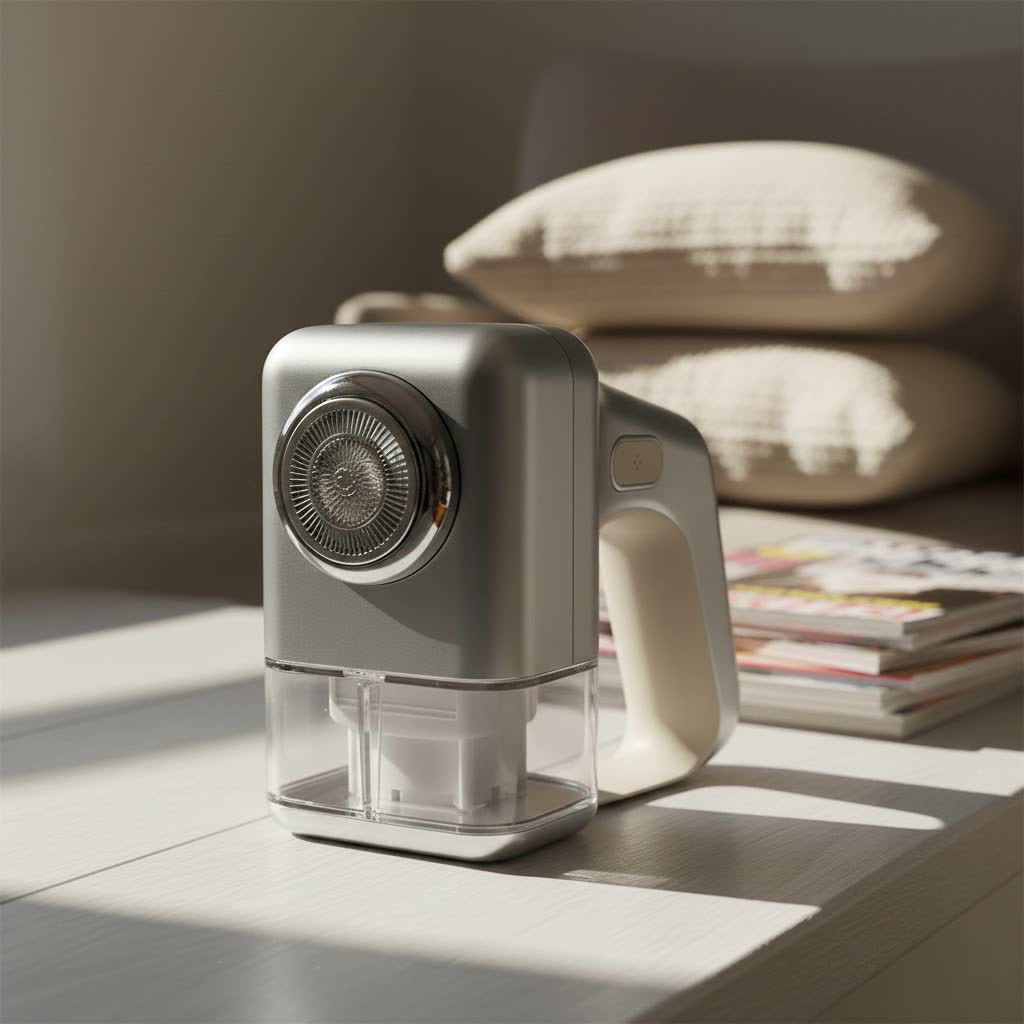
Ever caught sight of your once-beautiful rug, now marred by unsightly pills and fuzz, looking years older than its actual age? It’s a common dilemma, as everyday wear and tear, coupled with friction from foot traffic and furniture, can leave even the most resilient rugs looking tired and worn. But what if there was a simple, effective tool to restore their former glory, extending their lifespan and keeping your living space looking fresh? This comprehensive guide will delve into the world of fabric shavers, specifically tailored for rugs, offering expert advice to help you choose, use, and maintain the perfect device to bring your carpets back to life.
What is a Fabric Shaver and Why Do You Need It for Your Rugs?
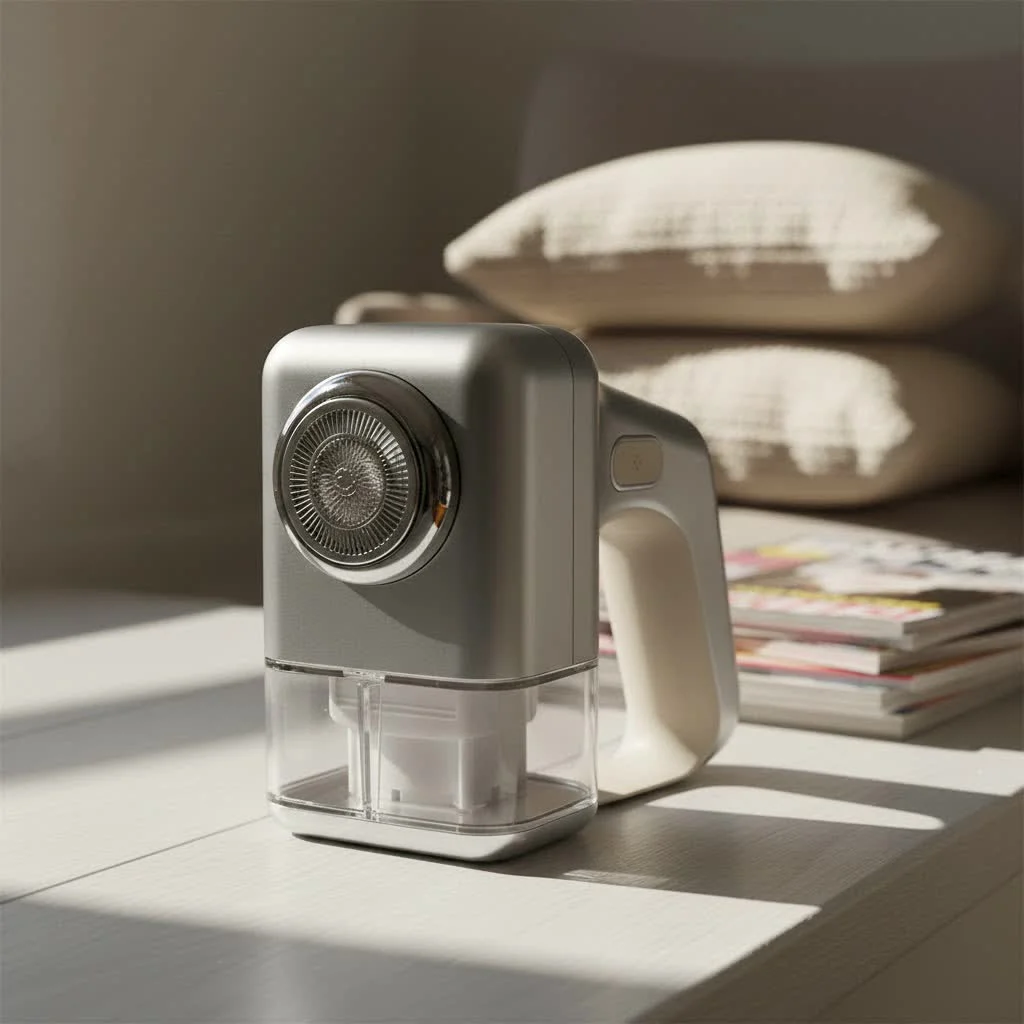
A fabric shaver, also known as a lint remover or defuzzer, is a handheld device designed to gently remove lint, pills, and fuzz from various fabric surfaces. These tiny, matted balls of fiber form when short or broken fibers on a fabric’s surface tangle together, typically due to friction. While commonly associated with clothing like sweaters and blankets, rugs are equally, if not more, susceptible to pilling due to constant foot traffic, vacuuming, and friction from furniture. For fabric care buying guides on this site.
Using a fabric shaver on your rugs offers numerous benefits. It dramatically improves their aesthetic appeal, making them look cleaner, newer, and more vibrant. Beyond cosmetics, de-pilling can prevent further damage, as matted pills can trap dirt and contribute to fiber degradation. By regularly maintaining your rugs with a fabric shaver, you can significantly extend their lifespan, delaying the need for costly replacements and saving you money in the long run.
Types of Fabric Shavers for Rugs
The market offers a variety of fabric shavers, each with different features and power sources. Understanding these types will help you determine which is best suited for tackling the unique challenges of rug maintenance.
Corded Electric Fabric Shavers
These shavers plug directly into an electrical outlet, providing consistent, powerful operation without the need for batteries.
- Pros: Generally offer higher power and larger shaving heads, making them efficient for extensive areas like rugs. They provide continuous operation, ideal for larger jobs without interruptions for recharging or battery changes.
- Cons: Their usability is limited by the length of the cord and proximity to an outlet, which can be cumbersome when working on floor rugs. Less portable for quick touch-ups or travel.
- Suitable for: Larger rugs, high-traffic areas, and situations where continuous, robust power is essential.
Battery-Operated Fabric Shavers
|
Our Picks for the Best Fabric Shaver in 2026
As an Amazon Associate I earn from qualifying purchases.
|
||
| Num | Product | Action |
|---|---|---|
| 1 | Fabric Shaver, Lint Remover Rechargeable, Electric Portable Sweater Defuzzer with 3 Speeds, 6 Leaf Blades, Digital LED Display to Remove Pilling for Clothes, Furniture, Sweater, Couch, Blanket |

|
| 2 | Ruidla Fabric Shaver Lint Shaver Defuzzer, Electric Lint Remover, Rechargeable Sweater Shaver with Replaceable Stainless Steel 3-Leaf Blades, Dual Protection, Removable Bin, (Micro-b Charging) |
|
| 3 | Philips Fabric Shaver, Removes Fabric Pills, Suitable for All Garments, Large Blade Surface, Cleaning Brush, Includes Batteries, Blue (GC026/00) |
|
| 4 | POPCHOSE Fabric Shaver, Sweater Shavers to Remove Pilling, Lint Shaver with 6-Leaf Blades, Electric Lint Remover for Clothes, Couch, Furniture, Fuzz, Lint Ball, Pillings, USB Rechargeable |
|
| 5 | Fabric Shaver, Ziitty Lint Remover for Clothes, Type-C Rechargeable Lint Shaver with LCD Display & 6-Blade, Sweater Shavers to Remove Pilling,Fuzz Remover Fabric Shaver for Clothing and Furniture |
|
| 6 | Ruidla Fabric Shaver Defuzzer, Electric Lint Remover, Rechargeable Sweater Shaver with Stainless Steel 3-Leaf Blades, Dual Protection, Removable Bin, Easy Remove Fuzz, Lint, Pills, Bobbles |
|
| 7 | Conair Fabric Shaver and Lint Remover, Battery-Operated Portable Clothes Shaver with 3 Settings, Fuzz Remover for Sweaters, Clothing and Furniture, Large 2-Inch Shaving Head, White |
|
| 8 | DRFLASH 2-in-1 Fabric Shaver Rechargeable - 3 Speeds Lint Remover with Digital LED Display & Type-C Fast Charging Port, Electric Sweater Defuzzer for Clothes, Furniture, Couch, Blanket |
|
| 9 | Fabric Shaver, Lint Remover Rechargeable, Electric Portable Sweater Defuzzer with 3 Speeds, 6 Leaf Blades, Digital LED Display to Remove Pilling for Clothes, Furniture, Sweater, Couch, Blanket |
|
| 10 | Fabric Shaver Electric Lint Remover Rechargeable Sweater Shaver Dual Protection Removable Bin Easy Remove Fuzz Lint Pills Bobbles FSER001 |
|
Powered by disposable or rechargeable batteries, these offer convenience and portability.
- Pros: Highly portable and cordless, allowing you to easily move around your rug or tackle smaller, hard-to-reach areas. Often lightweight and easy to handle.
- Cons: Power output can be less consistent than corded models, and battery life can be a limiting factor, especially for large rugs. You’ll need to keep spare batteries or ensure it’s charged.
- Suitable for: Smaller rugs, spot treatments, quick de-pilling tasks, and users who prioritize mobility.
Manual Fabric Shavers
These devices rely on manual effort, often featuring specialized combs, blades, or abrasive surfaces to remove pills. Some advanced manual models, like the Gleener Fabric Shaver & Lint Brush, offer interchangeable edges designed for different fabric types, including “bulky” settings suitable for carpets and quilts.
- Pros: Environmentally friendly (no batteries or electricity), often very gentle on fabrics, and some models have specific attachments for heavy-duty textiles. Excellent for delicate rugs or areas requiring precision. The Gleener’s ergonomic design and wide edge are ideal for covering larger areas.
- Cons: Requires more physical effort and can be time-consuming for large or heavily pilled rugs. Effectiveness varies greatly by design and material.
- Suitable for: Delicate rugs, low-pile carpets, small area rugs, and those who prefer a non-electric solution or precision work.
Comparison Table: Choosing the Right Fabric Shaver for Your Rug
Selecting the ideal fabric shaver for your rug involves balancing power, portability, and specialized features. This table provides a quick overview to guide your decision.
| Feature / Type | Corded Electric Shaver | Battery-Operated Shaver | Manual Shaver (e.g., Gleener) |
|---|---|---|---|
| Power Source | AC outlet | Disposable/Rechargeable Batteries | Manual (no electricity/batteries) |
| Power Output | High, consistent | Moderate, variable | Dependent on user effort and design |
| Portability | Low (cord-dependent) | High (cordless) | High (lightweight, no power source) |
| Suitability for Rugs | Excellent for large, high-pile rugs | Good for small, low-pile rugs | Excellent for various rugs with right head; ideal for bulky fabrics |
| Blade Size | Often larger | Varies, usually smaller | Varies; some have wide edges |
| Continuous Use | Yes | Limited by battery life | Yes |
| Price Range | Mid-high | Low-mid | Low-mid |
| Ease of Cleaning | Good (removable lint bin) | Good (removable lint bin) | Varies (some collect lint in rolls) |
| Special Features | Strong motors, large collection bins | Compact designs, travel-friendly | Interchangeable heads for fabric types |
Buying Guide: How to Select the Best Fabric Shaver for Your Rug
With the various options available, choosing the right fabric shaver for your rugs requires careful consideration of several factors.
Assess Your Rug Type
Different rugs have different needs. For lower-pile or flat-weave rugs, many standard electric or manual fabric shavers can be effective. However, for thicker, shaggier, or more delicate rugs, you’ll need a shaver with adjustable settings or specialized heads. Some high-pile rugs might be too challenging for standard shavers, potentially requiring a more robust manual tool with a “bulky” fabric setting, or even professional cleaning. Always consider the material; delicate wool or silk blends will require a shaver with precise control and gentle action.
Consider Power and Blade Size
When dealing with the larger surface area and denser fibers of rugs, power and blade size are crucial. A more powerful motor (found in corded electric models) ensures consistent performance and efficiency. A larger shaving head will allow you to cover more area quickly, significantly reducing the time and effort needed to de-pill a rug. Conversely, a smaller head might be suitable for intricate rug patterns or smaller mats.
Adjustable Settings are Key
Look for fabric shavers that offer adjustable blade heights or speed settings. This versatility allows you to customize the shaving depth for different rug piles and materials. A lower setting is ideal for delicate or low-pile rugs to prevent damage, while a higher or more powerful setting can tackle stubborn pills on thicker carpets. The Gleener, for instance, offers three interchangeable edges designed for varying fabric bulkiness.
Ergonomics and Handle
De-pilling a rug can be a strenuous task, especially for large areas. A fabric shaver with an ergonomic design and a comfortable handle will minimize hand fatigue and allow for easier maneuvering. Models with an extended handle, like some manual shavers, can be particularly beneficial for reaching across wider rugs without excessive bending or kneeling.
Ease of Cleaning and Lint Bin Capacity
Rugs tend to produce a significant amount of lint and pills. A shaver with an easily detachable and sizable lint collection bin will save you time and hassle by reducing the frequency of emptying. Models that include a small cleaning brush for clearing trapped lint from the blades are also a practical feature that ensures consistent performance and extends the shaver’s lifespan.
Brand Reputation and User Reviews
Before making a purchase, research reputable brands known for producing durable and effective fabric shavers. Read user reviews, specifically looking for feedback from individuals who have used the shaver on rugs or upholstery. This real-world experience can provide valuable insights into a product’s performance, durability, and suitability for your specific needs.
How to Use a Fabric Shaver on Your Rug Safely and Effectively
Using a fabric shaver on your rug requires a methodical approach to ensure effectiveness and prevent damage.
1. Preparation is Key:
- Clean the Rug: Vacuum your rug thoroughly to remove any loose dirt, dust, or pet hair. This prevents the shaver from clogging and ensures a clear surface for de-pilling.
- Flat and Taut Surface: For best results, ensure the section of the rug you are working on is laid as flat and taut as possible. You might need to press down on the rug with your free hand or secure the edges with heavy objects. This prevents the fabric from snagging and allows the blades to glide smoothly.
2. Test a Small Area:
- Always start by testing the fabric shaver on an inconspicuous area of the rug first. This allows you to check the shaver’s aggressiveness and adjust settings if necessary, ensuring it won’t damage the fibers.
3. Gentle and Even Passes:
- Hold the fabric shaver lightly against the rug’s surface, applying minimal pressure. Let the shaver do the work.
- Use short, even strokes, moving in one direction. Avoid pressing down hard or making circular motions, as this can snag the fabric or create new pills.
- Overlap your strokes slightly to ensure thorough coverage. You may need to go over heavily pilled areas a few times, but always with light, gentle passes.
4. Monitor the Lint Bin:
- Rugs can generate a lot of lint. Regularly check and empty the collection bin to maintain optimal suction and prevent clogging. A full bin reduces efficiency.
5. Safety First:
- Always turn off and unplug (if corded) the fabric shaver before cleaning it or making any adjustments.
- Keep your fingers away from the blades.
- If the shaver starts to make unusual noises or struggles, stop immediately and check for clogs or dull blades.
Maintaining Your Fabric Shaver to Extend Its Life
Proper maintenance is essential to keep your fabric shaver working efficiently and to prolong its lifespan.
- Clean After Each Use: After every de-pilling session, empty the lint collection bin. Use the provided cleaning brush (or a soft-bristled brush) to clear any trapped lint, fuzz, and hair from the blades and surrounding grille. Accumulated debris can dull the blades, reduce efficiency, and cause the motor to overheat.
- Regular Blade Replacement: Fabric shaver blades, like razor blades, will dull over time. Dull blades are less effective and can snag or damage your rug. Consult your shaver’s manual for recommended blade replacement intervals, or replace them when you notice a decrease in performance.
- Store Properly: Store your fabric shaver in a dry, cool place, away from dust and moisture. If it comes with a protective cap for the blades, always use it to prevent damage and ensure safety.
- Battery Care: For battery-operated models, remove the batteries if the shaver won’t be used for an extended period to prevent leakage. For rechargeable models, follow the manufacturer’s guidelines for charging and storage to maintain battery health.
“A well-maintained fabric shaver is a powerful tool for extending the life and beauty of your textiles, from delicate garments to durable rugs.”
Conclusion
A fabric shaver for rugs is an invaluable tool for any homeowner looking to maintain the pristine appearance and longevity of their carpets and upholstery. By understanding the different types of shavers available, considering key features like power and adjustable settings, and following proper usage and maintenance guidelines, you can effectively tackle pilling and rejuvenate your rugs. Investing in the right fabric shaver not only enhances the aesthetic appeal of your home but also proves to be a cost-effective solution for textile care. So, are you ready to transform your tired rugs and rediscover the joy of a fresh, clean living space?
Frequently Asked Questions
Can all fabric shavers be used on rugs?
While many fabric shavers can work on rugs, those designed for heavy-duty use, with larger shaving heads, powerful motors, or interchangeable “bulky” fabric settings (like some manual models), are generally more effective for the denser and larger surface areas of rugs. Always check the product specifications and user reviews.
How do I know if my rug is suitable for a fabric shaver?
Fabric shavers work best on low- to medium-pile rugs. High-pile or shag rugs can be challenging, as the long fibers may get tangled in the blades. Always test on an inconspicuous area first, and ensure the rug is taut to minimize snags.
Is it safe to use an electric fabric shaver on delicate rugs?
For delicate rugs, choose an electric shaver with adjustable blade heights or speed settings, or opt for a gentle manual shaver with a “delicate” attachment. Start with the lowest setting and apply minimal pressure to avoid damaging the fibers.
How often should I de-pill my rug?
The frequency depends on the rug’s traffic, material, and propensity to pill. High-traffic areas might need de-pilling every few weeks, while less-used rugs may only require it every few months. Regular visual checks will help you determine when it’s needed.
What’s the difference between a fabric shaver and a lint roller for rugs?
A fabric shaver uses rotating blades to cut off pills and fuzz, effectively removing matted fibers. A lint roller uses an adhesive surface to pick up loose lint, hair, and dust. For embedded pills, a fabric shaver is far more effective.
Get our weekly buyer guide
Practical specs, not advice. Unsubscribe anytime.
