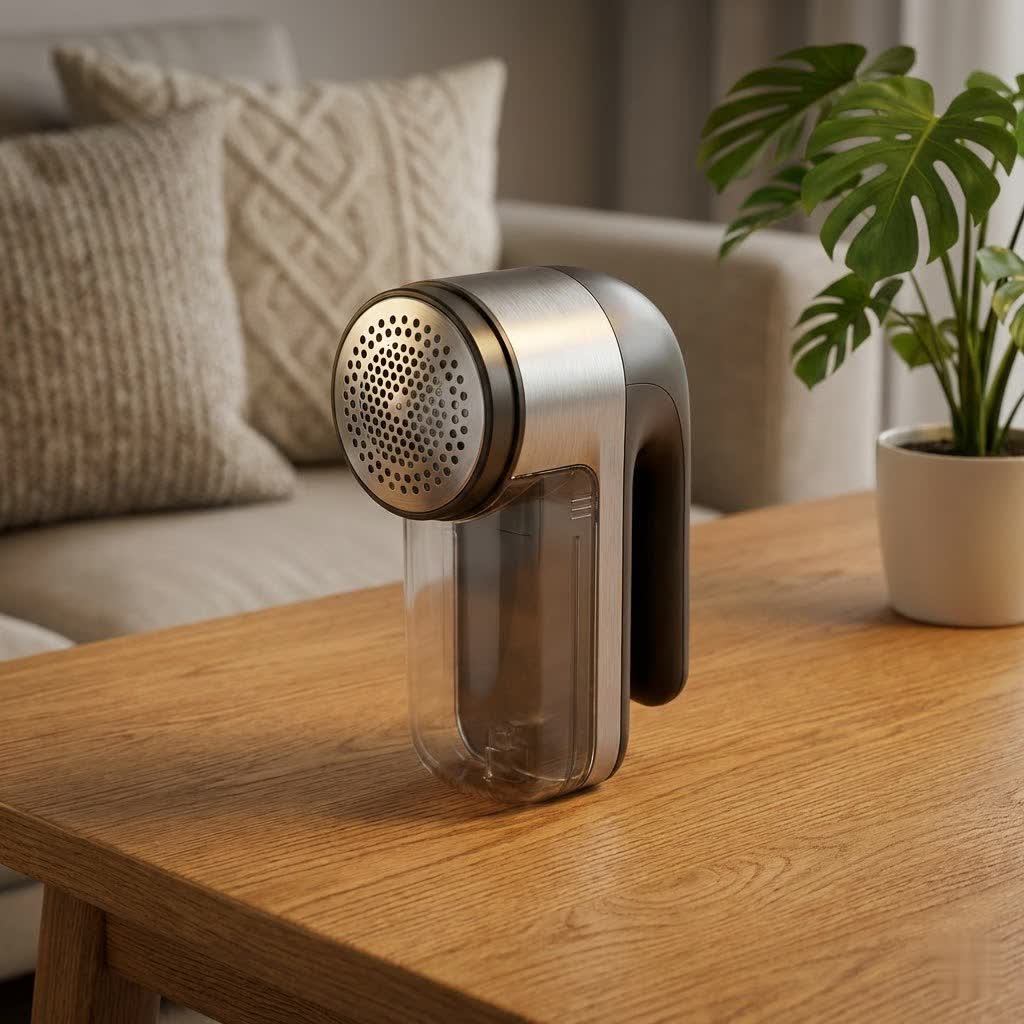
A fabric shaver effectively restores sweaters by removing unsightly pills, which are tiny tangles of fibers formed by friction from everyday wear and washing. This tool extends the lifespan of cherished garments, making them look new again. Pilling commonly affects sweaters made from wool, cashmere, cotton, fleece, polyester, acrylic, and various blends, particularly in high-friction areas like under the arms, cuffs, and sides.
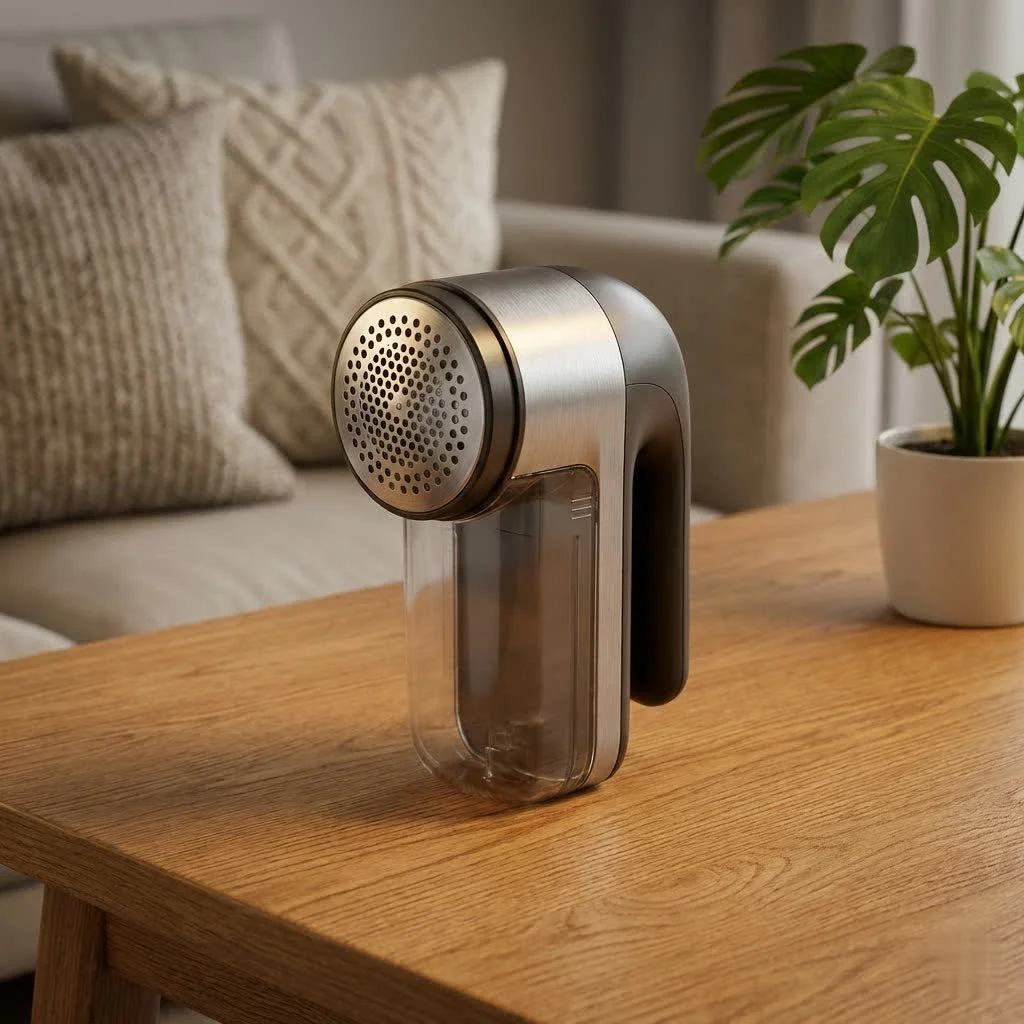
What is a Fabric Shaver and Why You Need It for Your Sweaters?
A fabric shaver, also known as a lint remover, fuzz remover, or debobbler, is a small, handheld device with rotating blades behind a protective screen. It gently shaves off matted, tangled fibers (pills) from clothing surfaces without damaging the underlying fabric. This simple gadget significantly upgrades wardrobe maintenance.
Many fabrics are prone to pilling, especially those with shorter or looser fibers. Sweaters made from wool, cashmere, cotton, fleece, polyester, acrylic, and various blends are common culprits. Pilling frequently appears in high-friction areas such as under the arms, along the sides, on cuffs, and wherever a bag or seatbelt might rub against the fabric. By effectively removing these pills, a fabric shaver offers numerous benefits: it helps extend the life of your garments, restores their appearance, and saves you money on replacements. Unlike manual methods like disposable razors or sweater combs, a good fabric shaver is designed to cut rather than pull fibers, preventing further breakage and delivering faster, more consistent results for a range of textiles.
Types of Fabric Shavers for Your Sweaters
When selecting a fabric shaver for your sweaters, you’ll encounter a few main types, each with its own advantages and ideal uses. Understanding these differences will help you choose the best tool for your specific needs.
Battery-Powered Handheld Fabric Shavers
These compact devices are often the most common and budget-friendly option. They operate on AA or AAA batteries and are designed for convenience.
- Pros: Small, lightweight, and highly portable, making them excellent for travel and quick touch-ups at home or on the go. They are generally easy to use and widely available.
- Cons: Tend to have lower power compared to electric models, requiring more passes for heavily pilled areas. They also require frequent battery replacement, which can be an ongoing cost. Some very cheap models might have less durable blades or a weaker motor, potentially leading to less effective results or even minor fabric damage if not used carefully.
- Best for: Light to moderate pilling on individual sweaters, occasional use, and maintaining clothing while traveling.
Electric (Corded or Rechargeable) Fabric Shavers
|
Our Picks for the Best Fabric Shaver in 2026
As an Amazon Associate I earn from qualifying purchases.
|
||
| Num | Product | Action |
|---|---|---|
| 1 | Ruidla Fabric Shaver Defuzzer, Electric Lint Remover, Rechargeable Sweater Shaver with Stainless Steel 3-Leaf Blades, Dual Protection, Removable Bin, Easy Remove Fuzz, Lint, Pills, Bobbles |

|
| 2 | Conair Fabric Shaver and Lint Remover, Battery-Operated Portable Clothes Shaver with 3 Settings, Fuzz Remover for Sweaters, Clothing and Furniture, Large 2-Inch Shaving Head, White |
|
| 3 | Fabric Shaver, Ziitty Lint Remover for Clothes, Type-C Rechargeable Lint Shaver with LCD Display & 6-Blade, Sweater Shavers to Remove Pilling,Fuzz Remover Fabric Shaver for Clothing and Furniture |
|
| 4 | Fabric Shaver Electric Lint Remover Rechargeable Sweater Shaver Dual Protection Removable Bin Easy Remove Fuzz Lint Pills Bobbles FSER001 |
|
| 5 | Fabric Shaver, Lint Remover Rechargeable, Electric Portable Sweater Defuzzer with 3 Speeds, 6 Leaf Blades, Digital LED Display to Remove Pilling for Clothes, Furniture, Sweater, Couch, Blanket |
|
| 6 | POPCHOSE Fabric Shaver, Sweater Shavers to Remove Pilling, Lint Shaver with 6-Leaf Blades, Electric Lint Remover for Clothes, Couch, Furniture, Fuzz, Lint Ball, Pillings, USB Rechargeable |
|
| 7 | Philips Fabric Shaver, Removes Fabric Pills, Suitable for All Garments, Large Blade Surface, Cleaning Brush, Includes Batteries, Blue (GC026/00) |
|
| 8 | DRFLASH 2-in-1 Fabric Shaver Rechargeable - 3 Speeds Lint Remover with Digital LED Display & Type-C Fast Charging Port, Electric Sweater Defuzzer for Clothes, Furniture, Couch, Blanket |
|
| 9 | Ruidla Fabric Shaver Lint Shaver Defuzzer, Electric Lint Remover, Rechargeable Sweater Shaver with Replaceable Stainless Steel 3-Leaf Blades, Dual Protection, Removable Bin, (Micro-b Charging) |
|
| 10 | Fabric Shaver, Lint Remover Rechargeable, Electric Portable Sweater Defuzzer with 3 Speeds, 6 Leaf Blades, Digital LED Display to Remove Pilling for Clothes, Furniture, Sweater, Couch, Blanket |
|
Electric fabric shavers offer more robust performance, whether they plug directly into an outlet or feature a rechargeable battery.
- Pros: Generally boast stronger motors, providing more consistent and efficient de-pilling, especially on thicker fabrics or larger areas. Rechargeable models offer the convenience of cordless operation with sustained power, making them portable without the need for constant battery purchases. Corded versions offer continuous, unwavering power for extensive de-pilling tasks.
- Cons: Corded models are less portable. Rechargeable units, while convenient, will eventually experience battery degradation over several years. They are often priced higher than basic battery-powered versions.
- Best for: Frequent use, tackling heavy pilling on multiple sweaters, and refreshing larger fabric items like blankets or upholstery.
Fabric Shavers with Adjustable Speed/Height Settings
These advanced fabric shavers offer customizable control, making them highly versatile for different materials.
- Pros: The ability to adjust blade height or shaving speed allows you to safely treat a wide range of fabrics. A lower setting is ideal for delicate knits like cashmere or merino wool, minimizing the risk of damage, while a higher setting can effectively tackle stubborn pills on thicker wool or acrylic sweaters. This flexibility helps preserve the integrity of various garment types.
- Cons: Typically come at a higher price point due to their enhanced features.
- Best for: Individuals with diverse wardrobes, including delicate, medium, and heavy-knit sweaters, ensuring optimal care for each item.
Comparison Table of Fabric Shaver Types
Here’s a quick comparison to help you weigh your options:
| Feature | Battery-Powered Handheld | Electric (Corded/Rechargeable) | Adjustable Speed/Height |
|---|---|---|---|
| Power | Lower | Higher, consistent | Varies (often higher) |
| Portability | High (travel-friendly) | High (rechargeable), Low (corded) | Varies |
| Cost | Low to Medium | Medium to High | Medium to High |
| Ease of Use | High | High | High |
| Versatility | Limited | Good | Excellent (for various fabrics) |
| Durability | Varies (cheap can be poor) | Generally good | Good |
| Maintenance | Battery replacement, cleaning | Recharging (if applicable), cleaning | Standard cleaning, setting adjustments |
How to Choose the Right Fabric Shaver for Your Sweaters (Buying Guide)
Selecting the perfect fabric shaver involves considering your specific needs and the features that matter most. An informed choice ensures you get a tool that will truly keep your sweaters looking their best.
Assess Your Usage Needs
Before you buy, think about what you’ll be shaving.
- Fabric Type: Consider the types of sweaters you own. Delicate materials like cashmere, merino wool, and silk blends require a shaver with adjustable settings or a very gentle touch to avoid damage. Thicker wool or synthetic blends can handle more robust devices.
- Frequency of Use: If you only plan to de-pill a few sweaters occasionally, a basic battery-operated model might suffice. For extensive or frequent de-pilling across a large wardrobe, a more powerful electric or rechargeable option is usually more efficient.
- Volume of Items: Are you refreshing one or two favorite sweaters, or do you have a pile of knits, blankets, and even upholstery that needs attention? Larger areas benefit from shavers with wider heads and stronger motors.
Budget Considerations
Fabric shavers range widely in price, from under $10 for generic models to $50+ for premium brands. While it’s tempting to opt for the cheapest option, some inexpensive models can be unreliable and potentially damage your fabric. Investing a little more in a reputable brand with good reviews can often save you money in the long run by protecting your garments and providing better, more consistent results.
Essential Features to Look For
Certain features can significantly enhance your fabric shaver experience.
- Adjustable Shaving Head/Settings: This is perhaps the most crucial feature for sweater care. Multiple height settings or speed adjustments allow you to customize the shave for different fabric thicknesses and delicacy, greatly reducing the risk of snags or holes.
- Lint Collection Bin: Look for a shaver with a generously sized and easily detachable lint collection bin. A larger bin means less frequent emptying during use, which is especially helpful for heavily pilled items. Easy emptying makes maintenance hassle-free.
- Blade Quality & Replacement: Sharp, durable blades are key to effective pilling removal. Some shavers come with extra replacement blades, which is a great bonus for longevity.
- Power Source: Decide between battery-operated for ultimate portability, corded for consistent power, or rechargeable for a balance of both.
- Ergonomics: A comfortable, ergonomic grip can make a big difference, especially if you’ll be using the shaver for extended periods.
Reputable Brands
Several brands consistently receive positive reviews for their fabric shavers. Popular choices often include Philips, Gleener, Conair, Steamery, and Beautural. While brand names can be a good indicator of quality, always cross-reference with user feedback.
Read User Reviews
Before making a purchase, take the time to read user reviews from various sources. Real-world experiences can highlight potential flaws or unexpected benefits that product descriptions might miss. However, be discerning, as some online reviews can be misleading or fake.
How to Use Your Fabric Shaver Correctly on Sweaters
Using a fabric shaver effectively and safely ensures your sweaters are restored without damage. Here’s a step-by-step guide:
- Preparation is Key: Lay your sweater flat on a firm, even surface, like an ironing board or a sturdy table. This creates a stable base and prevents the fabric from bunching up. Hold the fabric taut with one hand to keep it smooth and prevent it from getting caught in the blades. However, be careful not to stretch delicate knits excessively, as this could lead to damage.
- Start Gently: Turn on your fabric shaver. Begin by applying light pressure and moving the shaver gently over the pilled areas. For electric models, glide it in small circular motions. For manual shavers, use short, controlled swipes.
- Adjust as Needed: If your shaver has adjustable settings, start with a lower setting or a wider guard, especially on delicate fabrics like cashmere. You can gradually increase the pressure or adjust to a higher setting if the pilling is stubborn or the fabric is thicker. It’s always a good idea to test on an inconspicuous area first, such as an inside seam.
- Target High-Friction Areas: Pay extra attention to common pilling zones like under the arms, along the sides, and around the cuffs and collars. These areas experience the most friction and typically show the most wear.
- Empty the Lint Bin: The collection bin can fill up surprisingly quickly, especially on heavily pilled items. Pause occasionally to empty the lint, as a full bin can reduce the shaver’s efficiency and potentially slow down the motor.
- Know When to Stop: Continue shaving until the surface of your sweater feels smooth and the pills are gone. Once the area is smooth, stop using the device to avoid thinning the fabric or causing unintentional damage.
Safety Tips:
- Avoid Excessive Pressure: Never press down too hard, particularly on thin or loosely woven knits, as this can lead to snags or even holes in the fabric.
- Handle Blades with Care: When cleaning the shaver, be cautious as the blades are sharp.
- Don’t Overdo It: While effective, repeated and aggressive shaving on the same spot can gradually remove too many fibers and thin out the fabric over time. Use it only when necessary.
Tips for Fabric Shaver Maintenance and Sweater Longevity
Proper care for your fabric shaver and your sweaters will ensure both perform optimally and last longer.
Fabric Shaver Maintenance
- Clean After Every Use: To maintain efficiency and prevent lint buildup from jamming the blades, clean your fabric shaver after each use. Remove the collection bin and use the included brush to clear any trapped lint from the blades and protective screen.
- Replace Dull Blades: Over time, blades can become dull, reducing their effectiveness. Many fabric shavers come with replacement blades, or you can purchase them separately. Regularly replacing dull blades ensures your shaver continues to perform at its best.
- Proper Storage: Store your fabric shaver in a dry, cool place. If it’s battery-operated and you won’t be using it for an extended period, remove the batteries to prevent leakage and corrosion.
General Sweater Care for Longevity and Pilling Prevention
Beyond de-pilling, proactive care can significantly reduce future pilling and extend the life of your sweaters.
- Wash Inside Out: Turning your sweaters inside out before washing minimizes surface friction, which is a primary cause of pilling.
- Use Gentle Cycles and Mild Detergents: Harsh detergents and aggressive washing cycles can weaken fibers and accelerate pilling. Opt for delicate cycles and use mild, fabric-friendly detergents.
- Sort Laundry Thoughtfully: Wash similar fabrics together. Avoid washing delicate sweaters with rougher items like denim or items with zippers, as this increases friction and potential damage.
- Air Dry or Low Heat: High heat in dryers can damage and shrink fibers, making them more susceptible to pilling. Air drying or using a very low heat setting can help maintain fabric integrity.
- Reduce Abrasion During Wear: Be mindful of friction points. Wearing a backpack, carrying a rough-textured bag, or even seatbelts can cause pilling in specific areas. Consider adjusting how you carry items or adding a protective layer.
> “Wool, cotton, fleece and cashmere handle fabric shavers well.” – Annie Rodriguez, Textile Expert
> “I have something similar to this, and it is amazing. Restores clothes to new in just a short amount of time. Easy to use, as well as relaxing to watch those pills disappear.” – nearly_nonchalant, Reddit User
Conclusion
Fabric shavers are indispensable tools for anyone looking to maintain the beauty and longevity of their favorite sweaters. By understanding the different types available, knowing how to select the right one for your specific fabrics, and employing proper usage and maintenance techniques, you can effectively combat pilling and keep your knitwear looking new for years to come. Investing in a quality fabric shaver is a small step that yields significant returns in preserving your wardrobe. So, embrace this simple garment care secret and let your sweaters shine again! What’s your go-to fabric shaver for keeping your favorite knits looking flawless?
Frequently Asked Questions
Can you use a fabric shaver on all types of sweater fabrics?
While fabric shavers are generally safe for most sweater materials like wool, cashmere, cotton, and synthetic blends, it’s always wise to exercise caution. Start with a light touch and test on an inconspicuous area, especially for very delicate or loosely woven fabrics. Some advanced shavers offer adjustable settings to better accommodate different fabric types.
How often should I use a fabric shaver on my sweater?
Use your fabric shaver only when pilling becomes noticeable. While effective, the process does remove small amounts of fiber from the garment, and excessive or overly frequent use on the same area can eventually thin the fabric. Visually inspect your sweaters and address pills as they appear to maintain their best look.
Can a fabric shaver damage a sweater?
Yes, a fabric shaver can cause damage if not used correctly. Pressing too hard, stretching the fabric, or using it on extremely delicate or loosely knitted items without adjustable settings can lead to snags, holes, or thinning of the material. Always ensure the fabric is taut and flat, and use light pressure.
Are manual or electric fabric shavers better for sweaters?
Electric fabric shavers (both corded and rechargeable) are generally faster and more powerful, making them ideal for heavier pilling and larger areas. Manual fabric shavers, like sweater combs, offer more control, which can be beneficial for very delicate items or for those who prefer a gentler approach, though they require more effort and time.
What causes sweaters to pill in the first place?
Sweaters pill primarily due to friction during wear and washing. Short or loose fibers on the fabric surface break free and tangle together, forming small balls. This is more common in knitted fabrics, blends (where weaker fibers break while stronger ones hold them), and areas of high abrasion like underarms, sides, and cuffs.
Frequently Asked Questions
Can you use a fabric shaver on all types of sweater fabrics?
Fabric shavers are generally safe for most sweater materials like wool, cashmere, cotton, and synthetic blends. However, always start with a light touch and test on an inconspicuous area, especially for very delicate or loosely woven fabrics. Some advanced shavers offer adjustable settings to better accommodate different fabric types.
How often should I use a fabric shaver on my sweater?
Use your fabric shaver only when pilling becomes noticeable. While effective, the process does remove small amounts of fiber from the garment, and excessive or overly frequent use on the same area can eventually thin the fabric. Visually inspect your sweaters and address pills as they appear to maintain their best look.
Can a fabric shaver damage a sweater?
Yes, a fabric shaver can cause damage if not used correctly. Pressing too hard, stretching the fabric, or using it on extremely delicate or loosely knitted items without adjustable settings can lead to snags, holes, or thinning of the material. Always ensure the fabric is taut and flat, and use light pressure.
Are manual or electric fabric shavers better for sweaters?
Electric fabric shavers (both corded and rechargeable) are generally faster and more powerful, making them ideal for heavier pilling and larger areas. Manual fabric shavers, like sweater combs, offer more control, which can be beneficial for very delicate items or for those who prefer a gentler approach, though they require more effort and time.
What causes sweaters to pill in the first place?
Sweaters pill primarily due to friction during wear and washing. Short or loose fibers on the fabric surface break free and tangle together, forming small balls. This is more common in knitted fabrics, blends (where weaker fibers break while stronger ones hold them), and areas of high abrasion like underarms, sides, and cuffs.
How to Use Your Fabric Shaver Correctly on Sweaters
Effectively and safely restore your sweaters by following these steps to remove pills without causing damage.
Lay your sweater flat on a firm, even surface, such as an ironing board or sturdy table, to create a stable base. Hold the fabric taut with one hand to keep it smooth and prevent it from bunching up or getting caught in the blades. Avoid stretching delicate knits excessively.
Turn on your fabric shaver and begin by applying light pressure, moving it gently over pilled areas in small circular motions for electric models or short, controlled swipes for manual shavers. If your shaver has adjustable settings, start with a lower setting or wider guard for delicate fabrics like cashmere, gradually increasing pressure or setting for stubborn pills or thicker fabrics. Always test on an inconspicuous area first.
Pay extra attention to common pilling zones such as under the arms, along the sides, and around cuffs and collars, as these areas experience the most friction. Pause occasionally to empty the lint collection bin, as a full bin can reduce the shaver's efficiency and slow down the motor, especially on heavily pilled items.
Continue shaving until the surface of your sweater feels smooth and all pills are gone. Once the area is smooth, stop using the device to avoid thinning the fabric or causing unintentional damage. Avoid excessive pressure, especially on thin or loosely woven knits, to prevent snags or holes.
Get our weekly buyer guide
Practical specs, not advice. Unsubscribe anytime.

I’ve tried a few different lint removers in the past, but this one is by far the most effective. It really makes a difference on my fleece jackets and even some of my cotton shirts that tend to pill. The only reason I’m not giving it 5 stars is that the battery life could be a little better, but it still gets the job done for several garments before needing a recharge.
I was skeptical about how well a fabric shaver could actually work, but this thing is a game-changer! My favorite wool sweater was looking so tired with all the pills under the arms, and now it looks almost brand new. It’s amazing how gently it removes the fuzz without damaging the fabric. Definitely a must-have for anyone with a closet full of sweaters.
Seriously impressed with this debobbler! I thought my cashmere blend cardigan was beyond saving due to all the little fiber tangles, but this tool brought it back to life. It’s so satisfying to see the pills disappear and the fabric look smooth again. It’s a small investment that really extends the life of cherished garments.
This fabric shaver is decent for the price. It definitely helps with the pilling on my acrylic sweaters, especially around the cuffs. However, I found it takes a bit longer than I expected to get everything perfectly smooth, and I have to go over some spots multiple times. It’s not bad, but I was hoping for something a little more powerful for quicker results.