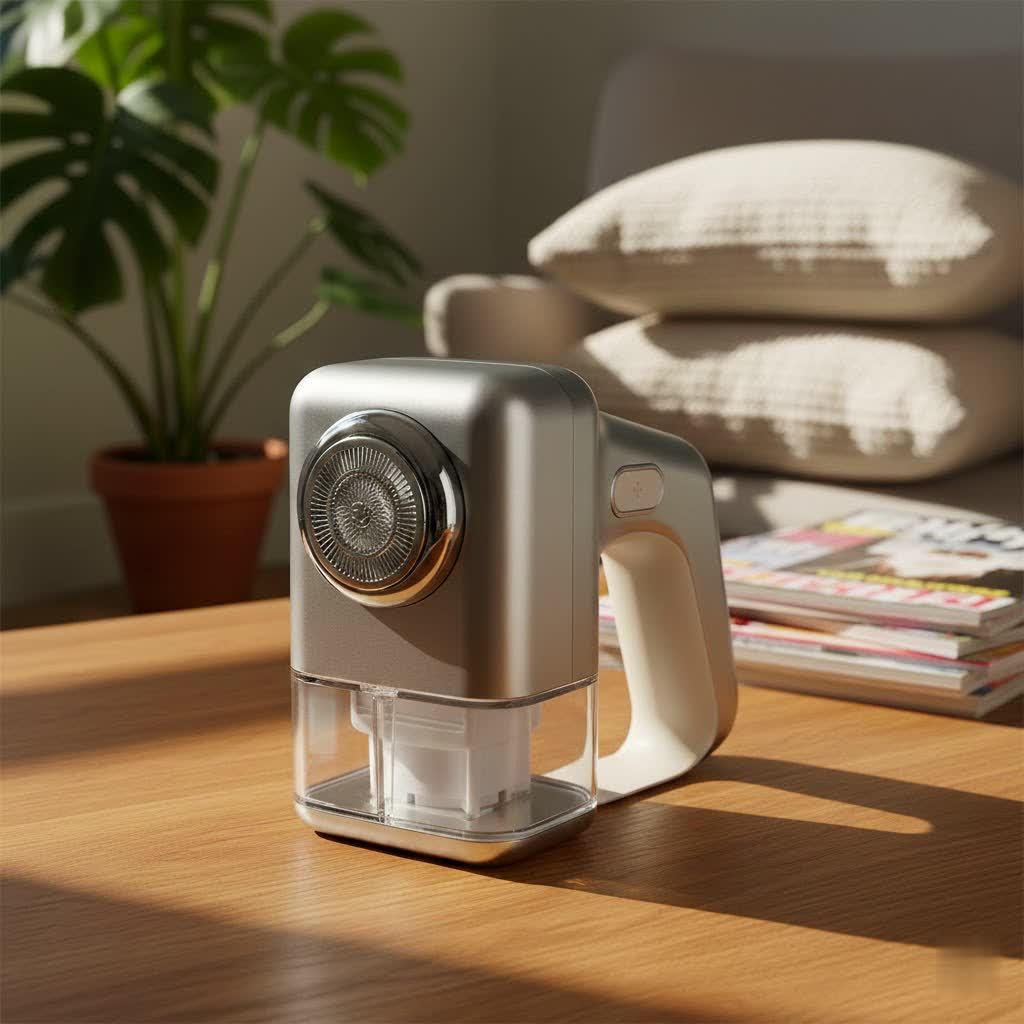
There’s nothing quite like the cozy comfort and timeless elegance of wool. From luxurious cashmere sweaters to sturdy merino scarves and classic lambswool throws, wool adds warmth and style to any wardrobe or home. However, even the highest quality wool is prone to pilling – those pesky little balls of tangled fibers that accumulate on the surface, making your favorite items look worn and tired. This common problem can make you wonder if your beloved woolens are beyond repair. Fortunately, a fabric shaver, often called a lint remover or de-bobbler, offers a simple yet incredibly effective solution to restore your wool garments to their pristine glory.
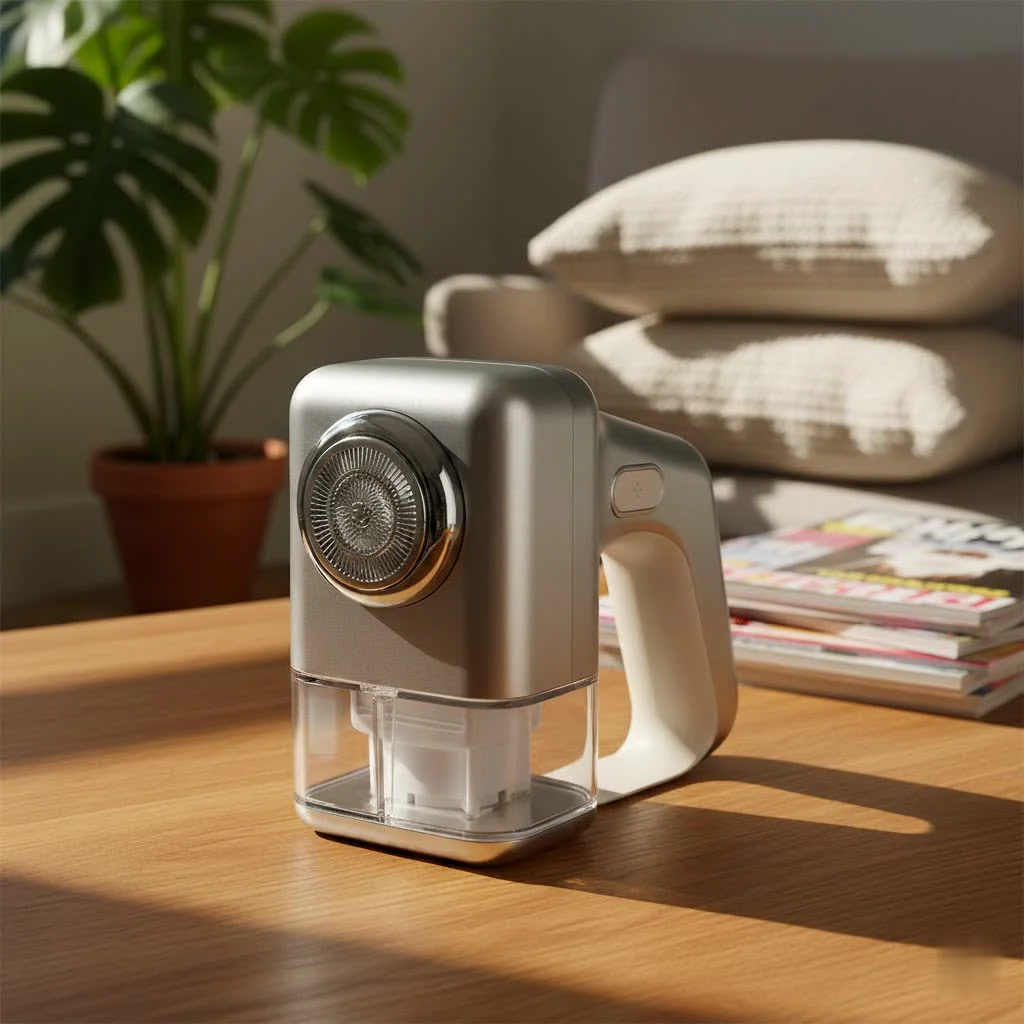
What is a Fabric Shaver and Why Do You Need It for Your Wool?
A fabric shaver is a handheld device designed to remove pills, fuzz, and lint from textiles. Essentially, it acts like a tiny, gentle razor for your fabrics. The blades, protected by a safety guard, carefully cut away the surface-level pilling without damaging the underlying weave. For wool, which frequently develops pills due to friction from wear and washing, a fabric shaver is an indispensable tool.
Wool fibers, particularly in knitted garments, tend to loosen and tangle over time, forming small knots or “pills.” These pills not only detract from the appearance of your woolens but can also make them feel rough. Using a fabric shaver effectively trims away these unsightly bobbles, instantly refreshing the fabric and bringing back its smooth, new-like appearance. This simple act of maintenance extends the lifespan of your cherished wool items, saving you money on replacements and reducing textile waste.
Popular Types of Fabric Shavers for Woolen Fabrics
When it comes to tackling pilling on wool, not all fabric shavers are created equal. Understanding the different types available will help you choose the best tool for your specific woolen garments.
Handheld Manual Fabric Shavers
Manual fabric shavers typically come in forms like wool combs or specialized brushes with abrasive surfaces. They require manual effort, making the de-pilling process slower, but offer precise control, which is crucial for delicate wools.
- Pros: Compact, no batteries or electricity needed, excellent for delicate fabrics like cashmere and fine merino wool, allows for very controlled, gentle removal. Often more affordable.
- Cons: Slower, requires more physical effort, less efficient for large areas or heavy pilling.
- Best for: Small pills, delicate wools, touch-ups, travel.
Electric Fabric Shavers
Electric fabric shavers are powered by batteries or an electrical outlet and feature rotating blades under a protective mesh. They are generally faster and more powerful than manual options.
- Pros: Highly efficient for larger areas and moderate to heavy pilling, faster results, less manual effort. Many come with adjustable settings for different fabric types.
- Cons: Requires power (batteries or outlet), can be bulkier, higher risk of damaging delicate fabrics if not used carefully or if the device lacks protective features.
- Best for: Thicker wool sweaters, blankets, upholstery, regular maintenance of various wool types.
Fabric Shavers with Adjustable Settings
|
Our Picks for the Best Fabric Shaver in 2026
As an Amazon Associate I earn from qualifying purchases.
|
||
| Num | Product | Action |
|---|---|---|
| 1 | Ruidla Fabric Shaver Lint Shaver Defuzzer, Electric Lint Remover, Rechargeable Sweater Shaver with Replaceable Stainless Steel 3-Leaf Blades, Dual Protection, Removable Bin, (Micro-b Charging) |

|
| 2 | DRFLASH 2-in-1 Fabric Shaver Rechargeable - 3 Speeds Lint Remover with Digital LED Display & Type-C Fast Charging Port, Electric Sweater Defuzzer for Clothes, Furniture, Couch, Blanket |
|
| 3 | Conair Fabric Shaver and Lint Remover, Battery-Operated Portable Clothes Shaver with 3 Settings, Fuzz Remover for Sweaters, Clothing and Furniture, Large 2-Inch Shaving Head, White |
|
| 4 | Fabric Shaver Electric Lint Remover Rechargeable Sweater Shaver Dual Protection Removable Bin Easy Remove Fuzz Lint Pills Bobbles FSER001 |
|
| 5 | Ruidla Fabric Shaver Defuzzer, Electric Lint Remover, Rechargeable Sweater Shaver with Stainless Steel 3-Leaf Blades, Dual Protection, Removable Bin, Easy Remove Fuzz, Lint, Pills, Bobbles |
|
| 6 | POPCHOSE Fabric Shaver, Sweater Shavers to Remove Pilling, Lint Shaver with 6-Leaf Blades, Electric Lint Remover for Clothes, Couch, Furniture, Fuzz, Lint Ball, Pillings, USB Rechargeable |
|
| 7 | Fabric Shaver, Lint Remover Rechargeable, Electric Portable Sweater Defuzzer with 3 Speeds, 6 Leaf Blades, Digital LED Display to Remove Pilling for Clothes, Furniture, Sweater, Couch, Blanket |
|
| 8 | Fabric Shaver, Lint Remover Rechargeable, Electric Portable Sweater Defuzzer with 3 Speeds, 6 Leaf Blades, Digital LED Display to Remove Pilling for Clothes, Furniture, Sweater, Couch, Blanket |
|
| 9 | Fabric Shaver, Ziitty Lint Remover for Clothes, Type-C Rechargeable Lint Shaver with LCD Display & 6-Blade, Sweater Shavers to Remove Pilling,Fuzz Remover Fabric Shaver for Clothing and Furniture |
|
| 10 | Philips Fabric Shaver, Removes Fabric Pills, Suitable for All Garments, Large Blade Surface, Cleaning Brush, Includes Batteries, Blue (GC026/00) |
|
Some advanced electric fabric shavers offer adjustable blade heights or speed settings. These features are particularly beneficial when working with a variety of wool textures, from chunky knits to delicate weaves.
- Pros: Versatile, allows users to customize the shaving intensity for different fabrics, reducing the risk of damage on sensitive materials.
- Cons: Can be more expensive than basic models.
- Best for: Households with diverse wool garments, enthusiasts who want maximum control and flexibility.
Comparing Fabric Shavers: A Quick Overview
| Feature | Manual Fabric Shaver (e.g., Wool Comb) | Electric Fabric Shaver (Battery/Corded) | Adjustable Speed Fabric Shaver |
|---|---|---|---|
| Price Range | Low | Mid to High | High |
| Power Source | None | Batteries or AC power | Batteries or AC power |
| Pilling Speed | Slow | Fast | Fast, adjustable |
| Delicate Wool | Excellent (high control) | Good (with care/settings) | Excellent (customizable) |
| Large Areas | Poor | Excellent | Excellent |
| Portability | Excellent | Good (battery-dependent) | Good (battery-dependent) |
| Maintenance | Simple (clean comb) | Empty lint bin, clean blades | Empty lint bin, clean blades |
Choosing the Right Fabric Shaver for Your Wool (Buying Guide)
Selecting the ideal fabric shaver for your wool collection involves considering a few key factors to ensure both effectiveness and garment safety.
Determine Your Usage Needs
Think about the types of wool you own and how frequently you’ll use the shaver.
- For delicate wools like cashmere or fine merino: A manual shaver or an electric one with specific delicate settings/attachments is crucial.
- For chunky wools or frequent use: A powerful electric shaver will be more efficient.
- For travel: Compact, battery-operated, or manual options are best.
Set Your Budget
Fabric shavers vary widely in price. While manual options are generally inexpensive, advanced electric models with more features can be a higher investment. Consider how much you’re willing to spend, keeping in mind that a good quality shaver is an investment in your wardrobe.
Essential Features to Look For
- Adjustable Settings: For wool, this is a game-changer. Multiple speed settings or blade height adjustments allow you to tailor the power to the fabric’s delicacy.
- Large Lint Collector: A bigger compartment means less frequent emptying, especially when tackling a large item like a wool blanket.
- Replaceable/Sharpenable Blades: Sharp blades are key to efficient and safe pilling removal. The ability to replace or sharpen them extends the life of your device.
- Comfortable Ergonomics: You’ll be holding this tool, so make sure it’s comfortable to grip and use for extended periods.
Reputable Brands
While personal preference plays a role, some brands consistently receive high marks for quality and performance on wool. Look for reviews that specifically mention performance on delicate fabrics like cashmere and merino. Brands like Gleener (manual, with multiple shaving edges for different fabric types), Philips, Russell Hobbs, and Beautural are often recommended.
Read User Reviews
Always check what other users say, particularly those who have used the shaver on wool. Real-world experiences can highlight aspects like durability, ease of use on specific wool types, and customer satisfaction.
How to Properly Use a Fabric Shaver on Wool
Using a fabric shaver correctly is paramount to achieving excellent results without damaging your woolens.
- Prepare the Garment: Lay your wool item flat on a smooth, firm surface, such as an ironing board or table. Ensure the fabric is taut and wrinkle-free to prevent accidental snagging or cutting.
- Choose the Right Setting (if applicable): If your electric shaver has adjustable settings, start with the lowest or “delicate” setting for wool, especially on finer knits or areas with light pilling. For manual shavers, select the appropriate edge for the pilling level.
- Gentle Application: Lightly press the shaver head against the fabric. Do not apply excessive pressure, as this can push the blades too deep, potentially cutting or thinning the wool.
- Slow, Controlled Strokes: Glide the fabric shaver over the pilled areas using slow, even motions. For electric shavers, some recommend small circular motions, while others suggest moving in one direction (top to bottom or left to right). For manual shavers, short sweeps are effective. The key is consistency and gentleness.
- Target Problem Areas: Pilling is most common in areas of high friction, such as under the arms, along the sides, at cuffs, and around the collar. Pay extra attention to these spots, repositioning the garment as needed to ensure all sides are accessible.
- Monitor the Lint Collector: Electric shavers have a clear lint collection bin. Empty it frequently to maintain optimal performance. A full bin can reduce suction and efficiency.
- Inspect and Repeat: After an area is treated, lift the shaver and inspect the fabric. If some pills remain, gently go over the area again, possibly with slightly more pressure (but still gentle) if the fabric is robust, or with a finer manual tool if it’s very delicate.
- Safety First: Always keep fingers away from the blades. Turn off electric shavers before emptying the lint bin or cleaning.
> “When de-pilling delicate wools like cashmere, always prioritize a gentle touch. Excessive pressure or fast movements are the leading causes of damage. Patience is your best tool.” – Admin, ReviewGazoo.com, Fabric Care Expert
Tips for Maintaining Your Fabric Shaver to Extend Its Lifespan
Proper care of your fabric shaver ensures it remains effective and lasts longer.
- Clean After Every Use: After each session, empty the lint collector. Use a small brush (often included) to remove any trapped fibers from the blades and mesh guard. Accumulated lint can reduce efficiency and put strain on the motor.
- Regular Blade Replacement: Fabric shaver blades, like razor blades, will dull over time. Dull blades are less effective and can pull at fibers rather than cleanly cutting them, potentially damaging your wool. Refer to your shaver’s manual for recommended replacement schedules.
- Store Properly: Keep your fabric shaver in a dry, cool place away from dust and moisture. Store it with the protective cap on (if electric) to prevent damage to the blades.
- Battery Care: For battery-operated models, remove batteries if the shaver won’t be used for an extended period to prevent leakage. For rechargeable models, follow the manufacturer’s charging instructions to prolong battery life.
Conclusion
A fabric shaver is an indispensable tool for anyone who loves and cherishes their wool garments. It’s a simple yet powerful device that can instantly transform tired, pilled sweaters and blankets into fresh, like-new items. By understanding the different types of shavers, choosing one that fits your specific needs for wool, and using it correctly with a gentle hand, you can effectively combat pilling and extend the life and beauty of your woolen wardrobe. Embrace the power of a fabric shaver, and keep your woolens looking impeccable season after season. What wool item in your closet is ready for a rejuvenating fabric shave today?
Frequently Asked Questions
Can I use a fabric shaver on all types of wool?
While fabric shavers are generally safe for most wool, extreme care should be taken with very delicate weaves like thin cashmere or loosely knitted items. Manual shavers or electric shavers with adjustable settings and protective covers are recommended for such fabrics.
How often should I use a fabric shaver on my wool?
It’s best to use a fabric shaver as needed, typically when pills become noticeable. Regular, gentle maintenance every few months can keep your woolens looking fresh without over-stressing the fibers. Avoid shaving too frequently, as it does remove a small amount of fiber each time.
Will a fabric shaver damage my wool garment?
When used correctly, a fabric shaver will not damage your wool. The key is to lay the garment flat, hold it taut, use light pressure, and move slowly. Aggressive use or using a shaver with dull blades can snag or cut the fabric.
Are manual or electric fabric shavers better for wool?
Both have merits. Manual shavers offer superior control for delicate wools like cashmere, while electric shavers are faster and more efficient for heavier wools and larger areas. Many users prefer an electric shaver with adjustable settings for versatility across different wool types.
Can I use a regular razor blade instead of a fabric shaver?
While a regular razor can remove pills in a pinch, it’s generally not recommended. It’s much easier to accidentally cut or damage the fabric with a sharp razor blade, especially on soft wool, compared to the protected blades of a fabric shaver.
How do I clean the blades of my electric fabric shaver?
Most electric fabric shavers come with a small brush. After emptying the lint collector, use this brush to gently clean any remaining fibers from the blades and the inside of the mesh cover. Some models allow for partial disassembly for more thorough cleaning.
Get our weekly buyer guide
Practical specs, not advice. Unsubscribe anytime.
