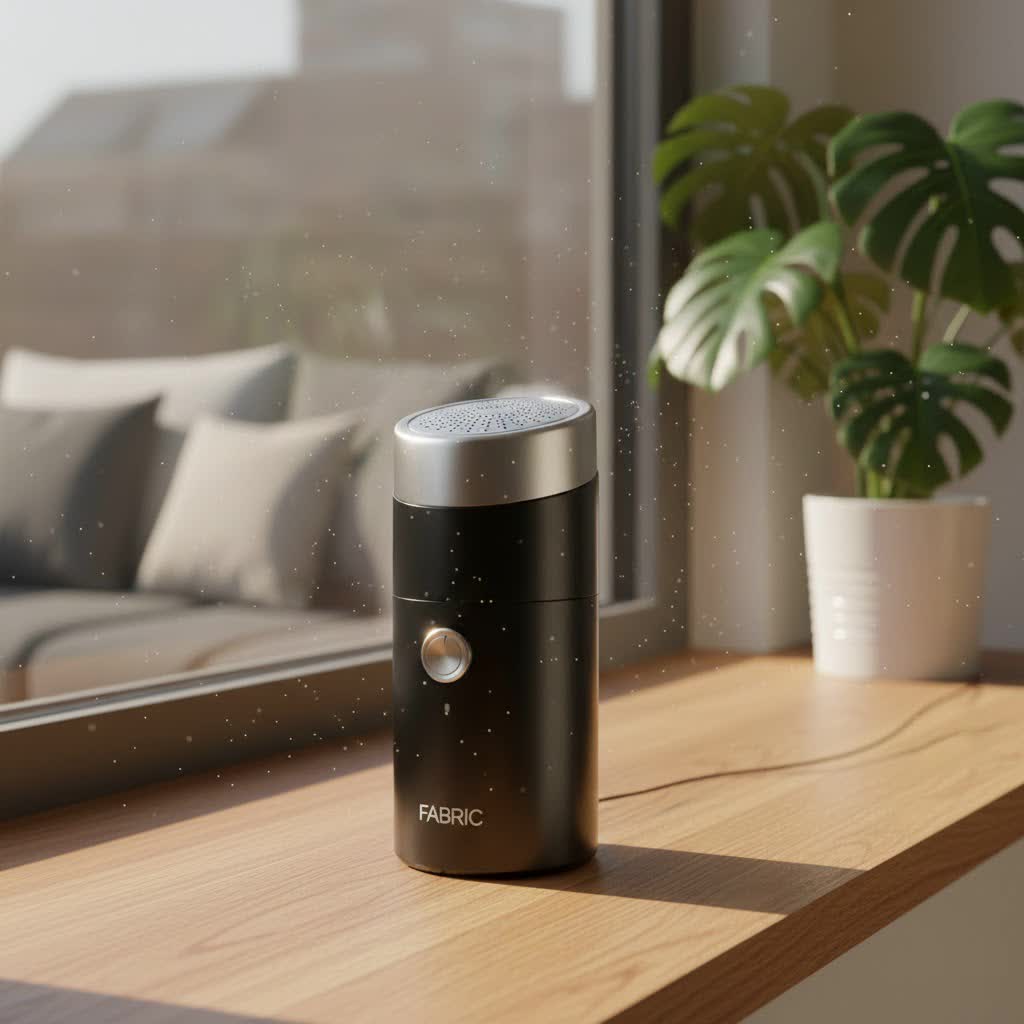
Has your once-pristine couch started to show its age, covered in unsightly pills and fuzz? You’re not alone. Daily use, friction, and even some washing methods can lead to your upholstered furniture looking worn and tired. But before you consider replacing it, there’s a simple, effective solution that can bring your sofa back to life: a fabric shaver. This indispensable tool can transform your living space, making your couch look new again and extending its lifespan without breaking the bank.
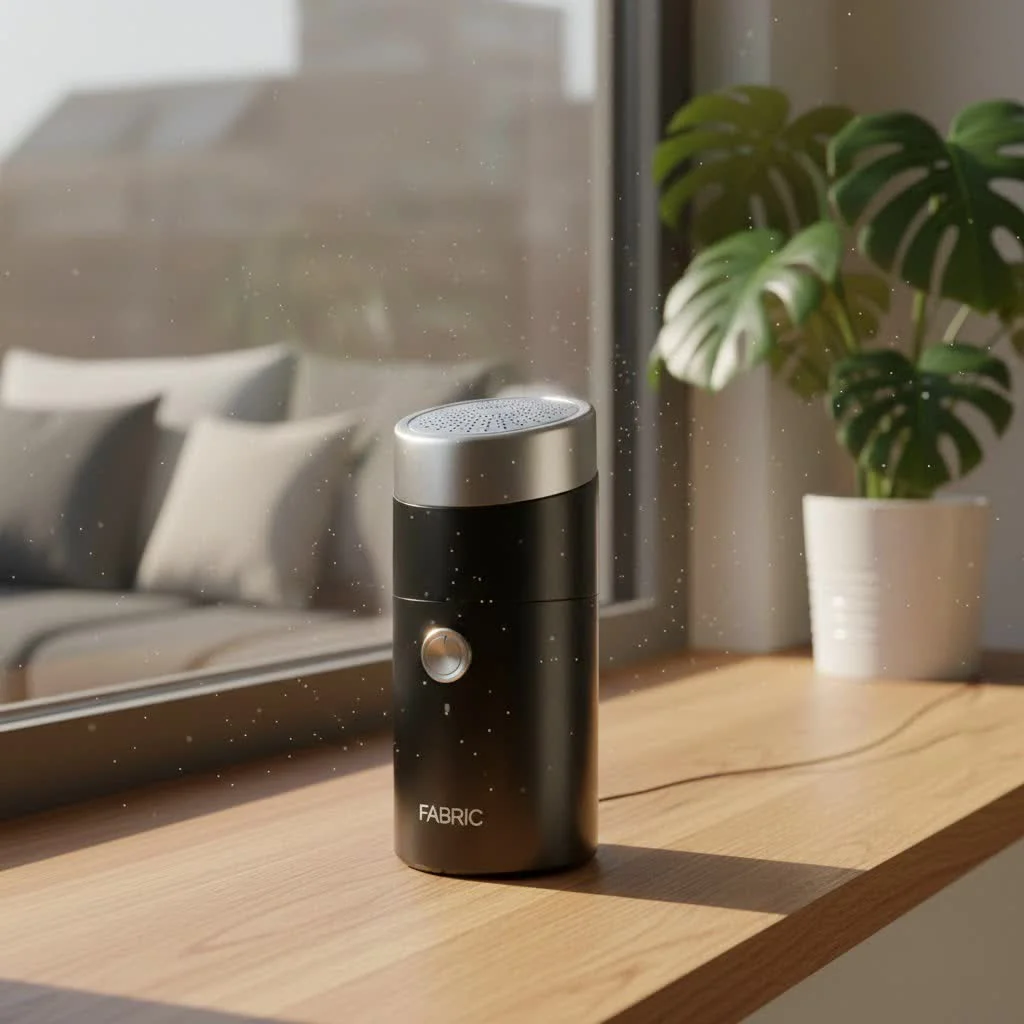
What is a Fabric Shaver and Why Your Couch Needs It?
A fabric shaver, also known as a lint remover or defuzzer, is a handheld device designed to gently remove pills, lint, and fuzz from various fabrics. These tiny, tangled balls of fiber, often called “pills,” form when fabric fibers break and gather on the surface, making textiles appear old and worn. While commonly associated with clothing, pilling is a significant issue for upholstered furniture like couches, armchairs, and cushions, especially in high-traffic areas.
Many fabrics are prone to pilling, including synthetics like polyester and blends, as well as natural fibers like cotton and wool. Over time, constant rubbing from sitting, blankets, and even pet activity causes these fibers to loosen and knot together. Using a fabric shaver offers numerous benefits for your couch: it restores the fabric’s smooth appearance, makes your furniture look cleaner and more inviting, and significantly extends its overall lifespan, saving you money on costly re-upholstery or replacements.
Popular Types of Fabric Shavers for Your Couch
When it comes to fabric shavers, variety abounds, with different types offering unique advantages for tackling the extensive surface area of a couch. Understanding these distinctions can help you pick the best tool for the job, ensuring efficient and effective defuzzing.
Battery-Operated Handheld Fabric Shavers
These compact devices are powered by disposable AA or AAA batteries, offering ultimate portability and ease of use. They are generally lightweight and cordless, making them convenient for maneuvering around cushions, armrests, and other tricky spots on a couch without being tethered to an outlet.
- Pros: Highly portable, convenient for quick touch-ups, no cords to manage, often budget-friendly.
- Cons: Power can diminish as batteries drain, requiring frequent battery replacement, potentially less powerful for heavy pilling.
- Best for: Light to moderate pilling on smaller sections of the couch, occasional use, and households seeking a no-fuss, easy-to-store option.
Electric Fabric Shavers (Corded or Rechargeable)
Electric fabric shavers either plug directly into an outlet or feature a rechargeable battery, providing consistent power and often greater efficiency. Rechargeable models combine the portability of battery-operated units with sustained power, while corded versions offer unlimited run time for extensive cleaning sessions.
- Pros: Stronger motor for more efficient pilling removal, consistent power output, no need for disposable batteries (rechargeable), ideal for large areas like entire couches.
- Cons: Corded models require an outlet nearby, rechargeable models need to be charged, potentially less portable than battery-operated versions.
- Best for: Frequent use, extensive pilling on large upholstered surfaces, and users who prioritize consistent power and performance over maximum portability.
Fabric Shavers with Adjustable Speed/Height Settings
|
Our Picks for the Best Fabric Shaver in 2026
As an Amazon Associate I earn from qualifying purchases.
|
||
| Num | Product | Action |
|---|---|---|
| 1 | Ruidla Fabric Shaver Defuzzer, Electric Lint Remover, Rechargeable Sweater Shaver with Stainless Steel 3-Leaf Blades, Dual Protection, Removable Bin, Easy Remove Fuzz, Lint, Pills, Bobbles |

|
| 2 | Conair Fabric Shaver and Lint Remover, Battery-Operated Portable Clothes Shaver with 3 Settings, Fuzz Remover for Sweaters, Clothing and Furniture, Large 2-Inch Shaving Head, White |
|
| 3 | Fabric Shaver Electric Lint Remover Rechargeable Sweater Shaver Dual Protection Removable Bin Easy Remove Fuzz Lint Pills Bobbles FSER001 |
|
| 4 | Philips Fabric Shaver, Removes Fabric Pills, Suitable for All Garments, Large Blade Surface, Cleaning Brush, Includes Batteries, Blue (GC026/00) |
|
| 5 | POPCHOSE Fabric Shaver, Sweater Shavers to Remove Pilling, Lint Shaver with 6-Leaf Blades, Electric Lint Remover for Clothes, Couch, Furniture, Fuzz, Lint Ball, Pillings, USB Rechargeable |
|
| 6 | Ruidla Fabric Shaver Lint Shaver Defuzzer, Electric Lint Remover, Rechargeable Sweater Shaver with Replaceable Stainless Steel 3-Leaf Blades, Dual Protection, Removable Bin, (Micro-b Charging) |
|
| 7 | Fabric Shaver, Ziitty Lint Remover for Clothes, Type-C Rechargeable Lint Shaver with LCD Display & 6-Blade, Sweater Shavers to Remove Pilling,Fuzz Remover Fabric Shaver for Clothing and Furniture |
|
| 8 | DRFLASH 2-in-1 Fabric Shaver Rechargeable - 3 Speeds Lint Remover with Digital LED Display & Type-C Fast Charging Port, Electric Sweater Defuzzer for Clothes, Furniture, Couch, Blanket |
|
| 9 | Fabric Shaver, Lint Remover Rechargeable, Electric Portable Sweater Defuzzer with 3 Speeds, 6 Leaf Blades, Digital LED Display to Remove Pilling for Clothes, Furniture, Sweater, Couch, Blanket |
|
| 10 | Fabric Shaver, Lint Remover Rechargeable, Electric Portable Sweater Defuzzer with 3 Speeds, 6 Leaf Blades, Digital LED Display to Remove Pilling for Clothes, Furniture, Sweater, Couch, Blanket |
|
Some advanced fabric shavers come equipped with adjustable settings that allow you to control the blade’s distance from the fabric surface or its rotation speed. This versatility is crucial when dealing with a variety of couch fabrics, from delicate linen blends to thick chenille.
- Pros: Highly versatile for different fabric types, reduces the risk of damaging delicate materials, provides more control over the defuzzing process.
- Cons: Often come with a higher price tag, may require a learning curve to determine the best setting for each fabric.
- Best for: Households with diverse upholstery fabrics on their couches and other furnishings, and those seeking a professional-level tool for optimal care.
Comparing Fabric Shaver Types for Couch Care
Choosing the right fabric shaver for your couch means weighing various factors. Here’s a comparative overview to help you decide:
| Feature | Battery-Operated Handheld | Electric (Rechargeable/Corded) | Adjustable Speed/Height |
|---|---|---|---|
| Power Source | Disposable batteries (AA/AAA) | Rechargeable battery or direct plug-in | Rechargeable battery or direct plug-in |
| Power/Efficiency | Moderate; may decrease with battery drain | High; consistent power for large jobs | High; consistent and customizable |
| Portability | Excellent; very lightweight and cordless | Good (rechargeable); Limited (corded) | Good (rechargeable); Limited (corded) |
| Runtime | Limited by battery life | Extended (rechargeable); Continuous (corded) | Extended (rechargeable); Continuous (corded) |
| Ease of Use | Very easy; simple operation | Easy; typically ergonomic for extended use | Moderate; requires selecting appropriate settings |
| Pill Capacity | Generally smaller lint traps | Often larger lint traps | Varies, can be larger |
| Price Range | Low to Mid-range | Mid-range to High-range | Mid-range to High-range |
| Ideal for Couch | Quick spot treatments, light pilling | Full couch defuzzing, heavy pilling | Delicate or varied couch fabrics, comprehensive care |
> “For large surfaces like a couch, an electric fabric shaver, especially a rechargeable or corded model, provides the consistent power and larger lint capacity needed for an efficient job. It saves time and effort compared to manual options.” – Admin, ReviewGazoo.com
How to Choose the Right Fabric Shaver for Your Couch (Buying Guide)
Selecting the ideal fabric shaver for your couch involves more than just picking the first one you see. Consider these critical factors to ensure you invest in a tool that truly meets your needs:
1. Determine Your Usage Needs
Before anything else, assess how and why you’ll be using the fabric shaver. Are you dealing with stubborn, heavy pilling across an entire sectional sofa, or just occasional fuzz on a smaller armchair?
- Fabric Type: Different couch fabrics respond differently. A delicate woven linen will require a gentler touch than a sturdy corduroy or a thick wool blend. Some shavers come with multiple settings or blade types suitable for various materials.
- Frequency of Use: If you plan to use it regularly on a large couch, a powerful electric model with a continuous or long-lasting charge will be more practical than a battery-operated one.
- Area Size: For expansive surfaces, a shaver with a wider head can cover more ground quickly, significantly cutting down on the time and effort required.
2. Set Your Budget
Fabric shavers range widely in price, from under $10 for basic models to over $50 for premium, feature-rich devices.
- Affordable Options: Entry-level battery-operated shavers are great for occasional use and lighter pilling.
- Mid-Range: Rechargeable or slightly more powerful corded options often offer a good balance of performance and value for regular couch maintenance.
- High-End: Models with adjustable settings, larger shaving heads, and superior build quality will cost more but provide enhanced versatility and durability.
3. Essential Features to Look For
Certain features can greatly enhance your experience and the effectiveness of the fabric shaver on your couch:
- Adjustable Speed/Height Settings: This allows you to customize the shave for different fabric thicknesses and sensitivities, minimizing the risk of damage.
- Large Lint Container: Couches generate a lot of lint and pills. A spacious, easy-to-empty lint trap means fewer interruptions during your cleaning session.
- Ergonomic Handle: For larger items like couches, you’ll be holding the shaver for extended periods. A comfortable, ergonomic grip reduces hand fatigue.
- Power Source: Decide between corded (unlimited power), rechargeable (portable with consistent power), or battery-operated (most portable, but power may wane).
- Blade Quality and Availability: Sharp, durable blades are crucial. Check if replacement blades are readily available from the manufacturer.
4. Consider Reputable Brands
Opting for well-known brands often provides assurance of quality, customer support, and product reliability. Brands like Conair, Gleener, Philips, and Beautural are frequently mentioned in reviews for their effective fabric shavers, with models like the Conair Fabric Shaver and Lint Remover often praised for its effectiveness on couches. The Gleener Fabric Shaver & Lint Brush is also noted for its ergonomic design and suitability for upholstery.
5. Read User Reviews
Before making a final decision, delve into online reviews, particularly those from other users who have purchased a fabric shaver for their couches or similar large upholstery. Real-world experiences can offer invaluable insights into a product’s effectiveness, durability, and any potential drawbacks that aren’t immediately apparent from product descriptions. Pay attention to comments regarding battery life, motor power, ease of cleaning, and how well it performs on various fabric types.
How to Use a Fabric Shaver Correctly on Your Couch
Using a fabric shaver properly ensures effective pilling removal without damaging your precious couch fabric. Follow these steps for the best results:
1. Prepare Your Couch
- Clean the Surface: First, vacuum your couch thoroughly to remove any loose dirt, crumbs, or pet hair. This prevents debris from clogging the shaver’s blades.
- Lay Flat and Smooth: For removable cushions or smaller, accessible areas, lay the fabric as flat and smooth as possible. For fixed upholstery, use your hand to pull the fabric taut. This creates a firm surface for the shaver to glide over and helps the blades catch pills more effectively without snagging.
- Test in an Inconspicuous Area: Always test the fabric shaver on a small, hidden section of your couch first. This allows you to gauge the best setting (if applicable) and ensure it won’t damage or snag the fabric before tackling a visible area.
2. Operate the Fabric Shaver
- Gentle Pressure: Hold the shaver firmly but apply only light, even pressure against the fabric. You don’t need to press hard; the blades are designed to do the work. Excessive pressure can push the fabric into the blades, potentially causing snags or holes.
- Consistent Motion: Move the shaver in small, circular motions or short, straight strokes across the pilled area. Overlap your strokes slightly to ensure comprehensive coverage. Work in small sections rather than trying to cover a large area all at once.
- Check Frequently: Periodically lift the shaver to check your progress and the amount of lint collected in the bin. Empty the lint container when it gets full to maintain optimal suction and performance.
3. Safety Precautions
- Keep Blades Away from Skin: Always ensure the shaver is off and unplugged (if corded) before cleaning or handling the blades. Keep fingers and other body parts away from the rotating blades.
- Avoid Seams and Embellishments: Be extra cautious around seams, zippers, buttons, or any delicate embellishments on your couch, as these can snag the blades.
- Do Not Over-Shave: Avoid going over the same spot too many times, as this can thin out the fabric or potentially cause damage over time. Stop once the pills are removed and the surface looks smooth.
Tips for Maintaining Your Fabric Shaver’s Longevity
Proper maintenance is key to ensuring your fabric shaver remains effective and lasts for many years, keeping your couch looking its best.
1. Clean After Each Use
After every defuzzing session, take a moment to clean your fabric shaver.
- Empty the Lint Bin: This is the most crucial step. A full lint bin reduces the shaver’s efficiency and can put a strain on the motor.
- Clean the Blades: Use the small brush often provided with the shaver to gently clear any trapped lint or fibers from around the blades and the protective screen. For stubborn debris, tweezers can be helpful. Ensure the device is off and unplugged before cleaning.
2. Replace Blades Periodically
Just like a razor, the blades on a fabric shaver will dull over time with use. Dull blades are less effective at removing pills and can even snag or damage your fabric.
- Check for Dullness: If you notice the shaver is taking more passes to remove pills, or if it’s leaving behind fuzz, it’s likely time for new blades.
- Source Replacements: Many reputable brands offer replacement blade cartridges. Always use manufacturer-recommended replacements for optimal performance and safety. The frequency of replacement depends on usage, but typically every few months to a year for regular users.
3. Store in a Dry, Cool Place
Proper storage protects your fabric shaver from damage and prolongs its life.
- Avoid Moisture: Store it in a dry environment to prevent rust on the blades or corrosion of electronic components.
- Protect the Head: Keep the protective cap on the shaver head to prevent damage to the blades and to keep dust out.
- Out of Reach: Store it safely out of reach of children and pets.
Conclusion
A fabric shaver is an invaluable tool for anyone looking to maintain the pristine appearance and extend the life of their couch. From removing unsightly pills to restoring the smooth texture of your upholstery, this small gadget delivers big results. By understanding the different types, choosing one that matches your specific needs and budget, and following proper usage and maintenance guidelines, you can effortlessly keep your couch looking fresh and inviting for years to come. What fabric shaver feature do you find most essential for keeping your couch looking its best?
Frequently Asked Questions
Can a fabric shaver damage my couch?
When used correctly, a fabric shaver is generally safe for most couch fabrics. Always test on an inconspicuous area first, use gentle pressure, and avoid over-shaving to prevent thinning or damage to the material.
How often should I use a fabric shaver on my couch?
The frequency depends on the couch’s material, how often it’s used, and how quickly pilling occurs. For heavily used couches or those prone to pilling, you might use it every few weeks. For lighter maintenance, once every few months may suffice.
Are manual or electric fabric shavers better for couches?
Electric fabric shavers (rechargeable or corded) are generally recommended for couches due to their consistent power and efficiency in covering larger surface areas. Manual options like the Gleener can also be very effective, especially for specific fabric types, but may require more effort for an entire couch.
Can I use a fabric shaver on all types of couch fabric?
Most fabric shavers are suitable for a wide range of fabrics, including cotton, wool, polyester, and blends. However, extreme caution should be exercised with very delicate or loosely woven fabrics, and it’s always best to use adjustable settings or test in a hidden spot first.
What should I do if my fabric shaver isn’t collecting pills effectively?
If your fabric shaver isn’t working well, check if the lint bin is full, the batteries are low (for battery-operated models), or the blades are dull and need replacement. Ensure the fabric is pulled taut and you are using light, consistent pressure.
Get our weekly buyer guide
Practical specs, not advice. Unsubscribe anytime.
