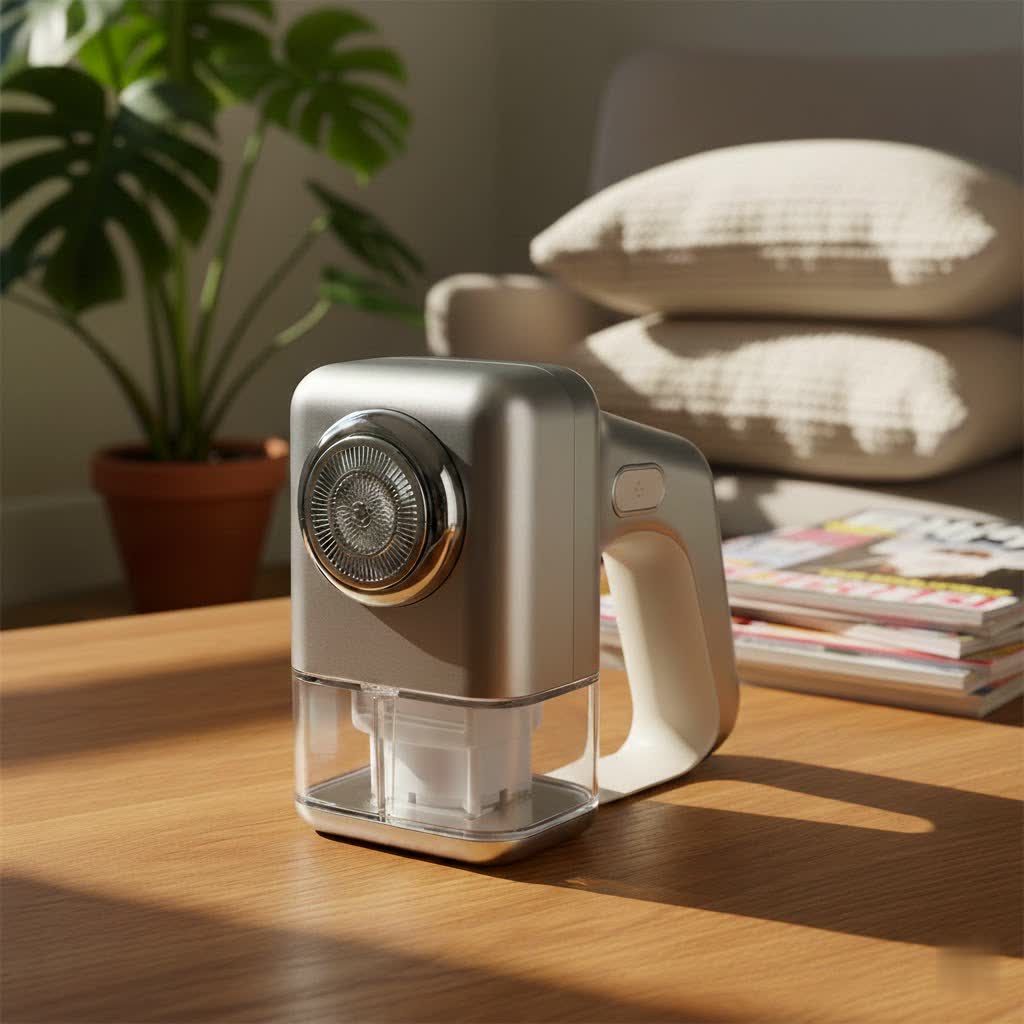
Have you ever pulled out your favorite sweater, only to find it covered in unsightly little balls of fuzz, instantly making it look old and worn? It’s a frustrating reality for many, as beloved garments often fall victim to pilling over time. But what if you could effortlessly restore them to their former glory? The secret lies in a versatile tool known as the fabric shaver, a compact yet powerful device designed to meticulously remove lint, fuzz, and pills, breathing new life into your clothes and home textiles.
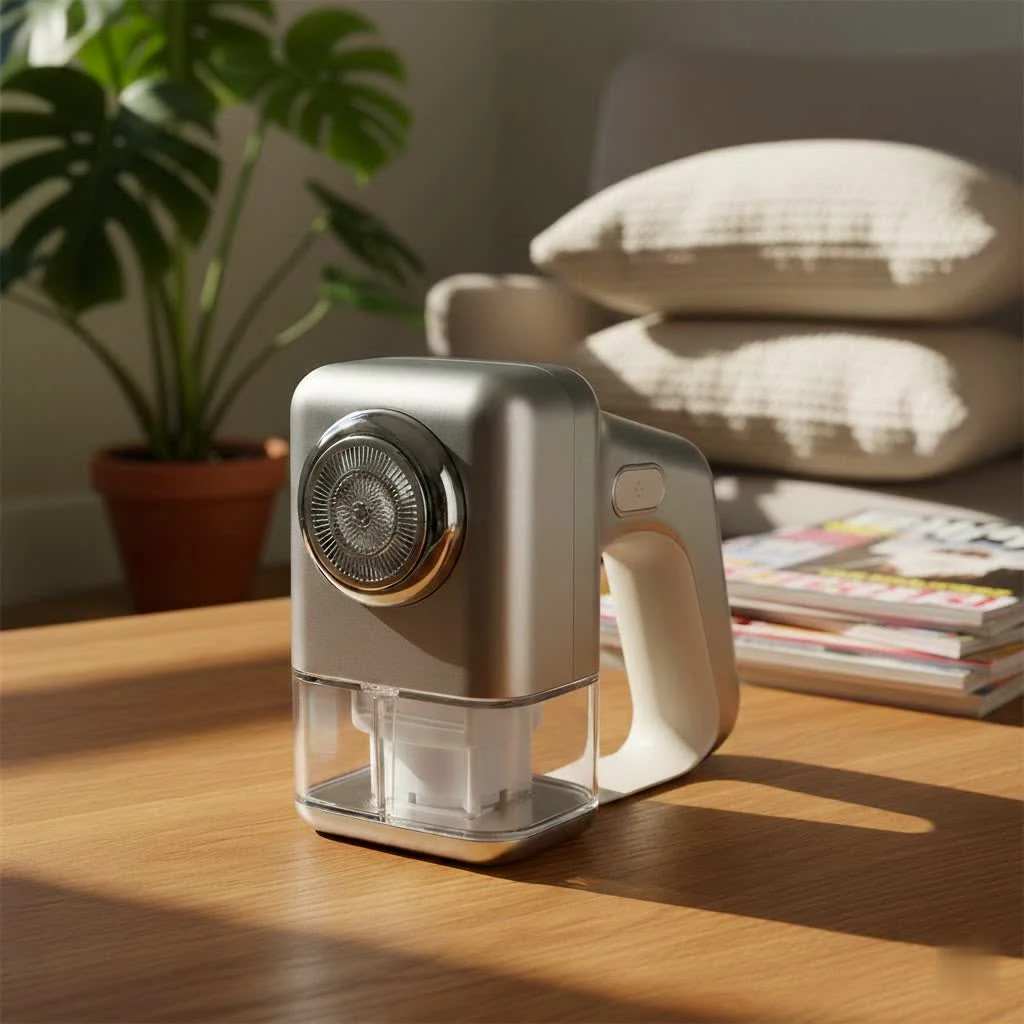
This comprehensive guide will delve into everything you need to know about choosing and using the best fabric shaver. We’ll explore the different types available, highlight key features to consider, and share expert tips to ensure your fabrics always look their best. Get ready to transform your wardrobe and furnishings, extending their lifespan and keeping them looking pristine. For more fabric care guides on this site.
What is a Fabric Shaver and Why You Need One?
A fabric shaver, often called a lint shaver or defuzzer, is a handheld device equipped with rotating blades that gently cut away loose, matted fibers (known as “pills” or “fuzz balls”) from the surface of fabric. These pills form when fibers on clothing or upholstery rub together, causing them to break and tangle into small, visible knots. This common issue can affect various materials, from cozy sweaters to durable upholstery.
Many types of fabrics are prone to pilling, including knitted materials, wool, polyester, cotton, and other synthetics, though even linen and denim can develop pills with regular wear and tear. Using a fabric shaver offers significant benefits beyond just aesthetics. By removing these pills, you extend the lifespan of your garments, preventing premature wear and saving you money on replacements. It’s also an environmentally friendly practice, as keeping clothes longer reduces textile waste. Ultimately, a good fabric shaver is an essential tool for maintaining the fresh, smooth appearance of your favorite textiles.
Exploring the Popular Types of Fabric Shavers
Fabric shavers come in various designs, each offering distinct advantages based on your specific needs and preferences. Understanding these types will help you select the perfect tool to keep your fabrics looking impeccable.
Battery-Operated Handheld Fabric Shavers
These compact and lightweight fabric shavers are typically powered by AA or AAA batteries, offering ultimate portability and cordless convenience.
- Pros: Their small size makes them ideal for travel and quick touch-ups on the go. They are very easy to maneuver and generally affordable, serving as a great entry-level option for fabric care.
- Cons: Battery life can be limited, requiring frequent battery replacements if not rechargeable. Their motor power might be less robust than corded options, making them slower for larger jobs or heavily pilled items.
- Best Suited For: Individuals who need a portable solution for occasional use or for maintaining smaller garments like sweaters, scarves, and delicate items.
Electric Fabric Shavers (Corded and Rechargeable)
|
Our Picks for the Best Fabric Shaver in 2026
As an Amazon Associate I earn from qualifying purchases.
|
||
| Num | Product | Action |
|---|---|---|
| 1 | Fabric Shaver, Lint Remover Rechargeable, Electric Portable Sweater Defuzzer with 3 Speeds, 6 Leaf Blades, Digital LED Display to Remove Pilling for Clothes, Furniture, Sweater, Couch, Blanket |

|
| 2 | Philips Fabric Shaver, Removes Fabric Pills, Suitable for All Garments, Large Blade Surface, Cleaning Brush, Includes Batteries, Blue (GC026/00) |
|
| 3 | POPCHOSE Fabric Shaver, Sweater Shavers to Remove Pilling, Lint Shaver with 6-Leaf Blades, Electric Lint Remover for Clothes, Couch, Furniture, Fuzz, Lint Ball, Pillings, USB Rechargeable |
|
| 4 | DRFLASH 2-in-1 Fabric Shaver Rechargeable - 3 Speeds Lint Remover with Digital LED Display & Type-C Fast Charging Port, Electric Sweater Defuzzer for Clothes, Furniture, Couch, Blanket |
|
| 5 | Fabric Shaver, Ziitty Lint Remover for Clothes, Type-C Rechargeable Lint Shaver with LCD Display & 6-Blade, Sweater Shavers to Remove Pilling,Fuzz Remover Fabric Shaver for Clothing and Furniture |
|
| 6 | Fabric Shaver, Lint Remover Rechargeable, Electric Portable Sweater Defuzzer with 3 Speeds, 6 Leaf Blades, Digital LED Display to Remove Pilling for Clothes, Furniture, Sweater, Couch, Blanket |
|
| 7 | Conair Fabric Shaver and Lint Remover, Battery-Operated Portable Clothes Shaver with 3 Settings, Fuzz Remover for Sweaters, Clothing and Furniture, Large 2-Inch Shaving Head, White |
|
| 8 | Ruidla Fabric Shaver Defuzzer, Electric Lint Remover, Rechargeable Sweater Shaver with Stainless Steel 3-Leaf Blades, Dual Protection, Removable Bin, Easy Remove Fuzz, Lint, Pills, Bobbles |
|
| 9 | Ruidla Fabric Shaver Lint Shaver Defuzzer, Electric Lint Remover, Rechargeable Sweater Shaver with Replaceable Stainless Steel 3-Leaf Blades, Dual Protection, Removable Bin, (Micro-b Charging) |
|
| 10 | Fabric Shaver Electric Lint Remover Rechargeable Sweater Shaver Dual Protection Removable Bin Easy Remove Fuzz Lint Pills Bobbles FSER001 |
|
Electric fabric shavers either plug directly into an outlet or feature a rechargeable battery, providing more consistent power and often a larger shaving head.
- Pros: Generally more powerful than battery-operated models, leading to faster and more efficient pilling removal, especially for larger areas. Rechargeable models offer cordless convenience without the need for disposable batteries, while corded versions provide uninterrupted power for extensive tasks. Many come with useful features like adjustable speed settings and larger lint collection bins.
- Cons: Corded models limit mobility and require an accessible power outlet. Rechargeable models need to be charged, and battery life can vary, which might be a concern for very large depilling projects.
- Best Suited For: Those who frequently tackle pilling on a variety of fabrics, including larger items like blankets, upholstery, and multiple garments, and prefer a more robust and efficient solution.
Manual Fabric Shavers (Sweater Combs and Bladeless Designs)
Unlike their electric counterparts, manual fabric shavers don’t rely on electricity or batteries. These tools typically feature a fine mesh screen or specialized comb to gently lift and cut away pills.
- Pros: They offer maximum control over the shaving process, making them excellent for very delicate fabrics like cashmere or silk where precision is crucial to avoid damage. They are durable, require no power source, and are often very compact for easy storage and travel.
- Cons: Manual shavers require more effort and time, as you need to physically rub the tool against the fabric. They are generally less efficient for heavily pilled items or large surface areas.
- Best Suited For: People who prioritize gentle care for luxury or delicate fabrics, or those who prefer a non-electric, controlled approach to fabric maintenance.
Fabric Shaver Comparison Table
| Feature | Battery-Operated Handheld | Electric (Corded/Rechargeable) | Manual (Combs/Bladeless) |
|---|---|---|---|
| Power Source | Disposable or rechargeable batteries | Corded or rechargeable internal battery | No power source needed |
| Portability | Very High (Excellent for travel) | Moderate (Rechargeable) to Low (Corded) | Very High (Compact, travel-friendly) |
| Power/Speed | Moderate to Low | High to Very High | Variable (depends on user effort) |
| Efficiency | Good for light pilling, small areas | Excellent for heavy pilling, large areas | Good for delicate, precise work |
| Control | Good | Good (some with adjustable settings) | Excellent (user-controlled pressure) |
| Ideal Use | Quick touch-ups, travel, delicate items | Frequent use, large garments, upholstery | Delicate fabrics, specific control needs |
| Maintenance | Empty bin, occasional blade cleaning | Empty bin, blade cleaning/replacement | Clean comb/surface, no blades to dull |
| Price Range | $10 – $25 | $15 – $40+ | $5 – $20 |
How to Choose the Right Fabric Shaver (Buying Guide)
Selecting the best fabric shaver involves considering several factors to ensure it meets your specific needs and helps you maintain your fabrics effectively.
Identify Your Usage Needs
Before you start shopping, think about what you’ll be using the fabric shaver for most often. Are you primarily dealing with delicate cashmere sweaters, sturdy wool blankets, or perhaps a heavily pilled sofa? The type of fabrics and the frequency of use will significantly influence your ideal choice. For instance, delicate items might benefit from a manual shaver or an electric one with adjustable settings, while large upholstery jobs will require a more powerful electric model with a sizable head.
Set Your Budget
Fabric shavers are available across a wide price spectrum, from budget-friendly manual options to more advanced electric models. Generally, manual shavers are the most economical, while rechargeable electric shavers with multiple features tend to be pricier. Determine how much you’re willing to spend, keeping in mind that a slightly higher investment can often lead to greater efficiency, durability, and better results in the long run.
Look for Essential Features
Certain features can enhance the performance and user experience of a fabric shaver:
- Adjustable Blade Height/Settings: This is crucial for versatility, allowing you to safely shave different fabric types. Lower settings are ideal for delicate materials, while higher settings work best for thicker fabrics to prevent damage.
- Large Lint Collection Bin: A spacious bin reduces the frequency of emptying during use, which is particularly beneficial for larger projects.
- Durable Blades: Look for shavers with sharp, high-quality stainless steel blades, as they provide a cleaner cut and last longer. Some models also offer replacement blades, extending the shaver’s lifespan.
- Ergonomic Design: A comfortable grip and lightweight design reduce hand fatigue, making extended use more pleasant.
- Included Accessories: Many shavers come with a small cleaning brush to clear lint from the blades and a protective cap for safe storage.
Consider Reputable Brands
While many brands offer fabric shavers, some have consistently received positive reviews for their performance and reliability. Brands like Conair, Gleener, Beautural, Allisable, Philips, Rowenta, and Magictec are frequently mentioned in “best of” lists and user testimonials. Researching these established names can give you a good starting point.
Read User Reviews
One of the best ways to gauge a fabric shaver’s real-world performance is by reading reviews from other users. Pay attention to feedback regarding its effectiveness on specific fabric types, ease of cleaning, battery life (for electric models), and overall durability. These insights can highlight practical pros and cons that might not be evident from product descriptions alone.
Using Your Fabric Shaver Correctly for Best Results
Using a fabric shaver effectively is key to rejuvenating your garments without causing damage. Follow these steps for optimal results:
- Prepare Your Fabric: Lay the garment or textile on a clean, flat, and firm surface. This could be an ironing board, a sturdy table, or even the floor. Smooth out any wrinkles or folds in the area you intend to shave, gently pulling the fabric taut to create an even surface. This prevents the shaver from catching on loose areas and potentially damaging the material.
- Start with Care: If your fabric shaver has adjustable settings, begin with the lowest blade height or slowest speed, especially if you’re working on a delicate or unfamiliar fabric. You can always increase the setting if needed.
- Glide Gently: Turn on the fabric shaver and move it across the pilled area using light, circular, or short, sweeping motions. Avoid pressing down too hard, as excessive pressure can damage the fabric or snag fibers. Let the shaver do the work.
- Monitor Progress: Keep an eye on the lint collection bin as you work. For heavily pilled items, the bin can fill up quickly, reducing the shaver’s effectiveness. Empty it frequently to maintain optimal performance. You’ll often hear the motor slow down as the bin fills.
- Address All Areas: Remember that pilling often occurs in high-friction areas like underarms, down the sides, and around the lower back of sweaters. Rotate and adjust the item to ensure you cover all affected spots, including seams and edges, for a completely refreshed look.
- Be Patient with Delicates: For fabrics like cashmere or silk, proceed with extra caution. Use very light pressure and a delicate setting. Some manual shavers with interchangeable heads are specifically designed for these materials.
By following these simple steps, you can safely and effectively remove pills, leaving your fabrics smooth and looking as good as new.
Tips for Fabric Shaver Maintenance to Extend Its Lifespan
Just like any other tool, proper care and maintenance of your fabric shaver will ensure its longevity and consistent performance. A well-maintained shaver will always be ready to tackle those pesky pills and keep your clothes looking fresh.
- Clean After Every Use: After each depilling session, make it a habit to empty the lint collection bin. This prevents lint buildup, which can clog the blades, reduce efficiency, and potentially cause damage to the motor in electric models. Most fabric shavers come with a small cleaning brush; use it to carefully remove any trapped fuzz or threads from around the blades and the protective screen. Always be cautious, as the blades are sharp.
- Replace Blades Regularly: The sharpness of the blades is crucial for effective and safe pilling removal. Over time, blades will dull, much like those on a razor. Dull blades can pull and snag fabric instead of cleanly cutting the pills, leading to damage. Check if your shaver model offers replacement blades and consider purchasing them when the original set starts to lose its edge. The frequency of replacement depends on how often you use your shaver and the types of fabrics you work with.
- Store Properly: When not in use, store your fabric shaver in a dry, cool place, away from dust and moisture. Many come with a protective cap for the blade head or a storage bag, which helps keep the blades clean and prevents accidental damage. Proper storage also helps prolong the life of any internal electronic components.
- Charge Thoughtfully (for Rechargeable Models): If you have a rechargeable fabric shaver, follow the manufacturer’s instructions for charging. Avoid overcharging or completely draining the battery frequently, as this can affect the battery’s overall lifespan.
By incorporating these simple maintenance habits, your fabric shaver will remain a reliable and efficient tool, helping you keep your wardrobe and home textiles looking their best for years to come.
Conclusion
Investing in the best fabric shaver is a small decision that yields significant rewards, transforming your approach to garment care. From the instant gratification of seeing a pilled sweater look new again to the long-term benefits of extending your wardrobe’s life, these handy devices are indispensable. Whether you opt for a portable battery-operated model, a powerful electric unit, or a precise manual shaver, the right tool can dramatically improve the appearance and longevity of your clothes and home textiles.
By understanding the different types, considering essential features like adjustable settings and collection bin size, and committing to proper usage and maintenance, you empower yourself to keep fabrics looking their best. Why let unsightly pilling diminish your favorite items when a fabric shaver can easily restore their fresh, smooth appeal?
Frequently Asked Questions
Can a fabric shaver damage my clothes?
A fabric shaver is designed to safely remove pills without damaging the underlying fabric when used correctly. To prevent damage, always lay your garment flat, pull the fabric taut, and start with light pressure, especially on delicate materials. Many electric models also offer adjustable blade heights to suit different fabric types.
How often should I use a fabric shaver?
The frequency depends on how often you wear or use certain fabrics and how quickly they pill. For frequently worn items prone to pilling, a quick pass every few washes might be beneficial. For less used items or more durable fabrics, occasional use as needed is usually sufficient.
Are manual or electric fabric shavers better?
Neither is inherently “better”; it depends on your needs. Electric shavers are generally faster and more efficient for larger areas and heavier pilling, while manual shavers offer greater control, making them ideal for delicate fabrics or small, precise jobs.
What types of fabric can I use a fabric shaver on?
Most fabric shavers can be used on a wide range of materials, including wool, cotton, polyester, acrylic, fleece, and even delicate fabrics like cashmere or silk, provided you use the appropriate settings and gentle technique. Always test on an inconspicuous area first.
How do I clean my fabric shaver?
After each use, simply detach the lint collection bin and empty it. Use the small cleaning brush, often included with the shaver, to remove any trapped lint or threads from around the blades and the protective screen. This ensures optimal performance and prevents clogs.
Can I use a fabric shaver on furniture or upholstery?
Yes, many fabric shavers are effective on upholstery, blankets, and other home textiles. For larger items, an electric shaver with a wider shaving head and robust motor might be more efficient. Manual shavers can also be used for specific areas or delicate upholstery.
Do fabric shaver blades need to be replaced?
Yes, like any blade, fabric shaver blades will dull over time with use. Dull blades are less effective and can potentially snag fabric. Many electric fabric shavers come with replacement blades or allow you to purchase them separately, which helps extend the life of the device.
Get our weekly buyer guide
Practical specs, not advice. Unsubscribe anytime.
