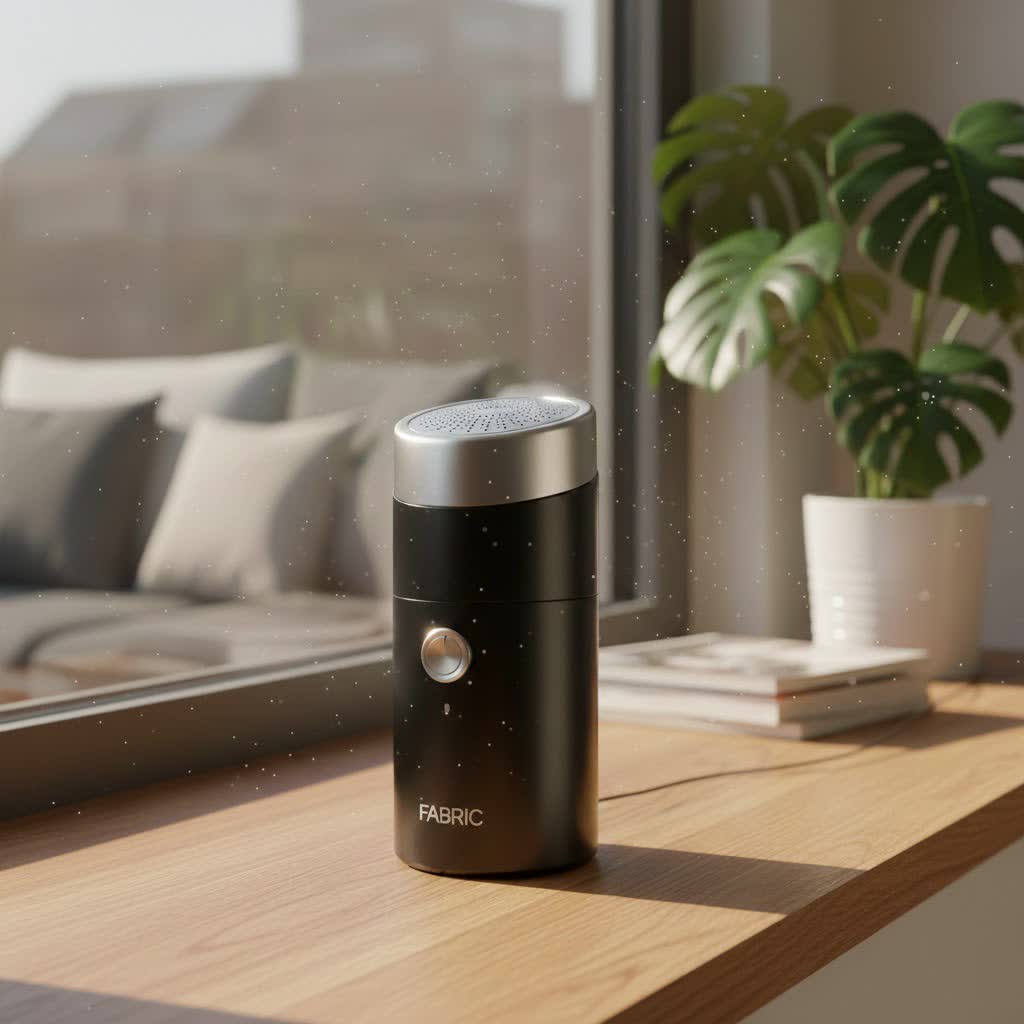
Tired of your favorite sweaters and blankets looking old before their time, covered in unsightly pills and fuzz? If your cherished garments are losing their luster due to fabric pilling, you’re not alone. Many people face the dilemma of wanting to refresh their wardrobe without investing in a specialized fabric shaver or adding another gadget to their collection. The good news is, you don’t always need a high-tech solution. With a few simple household items and a little know-how, you can achieve impressive results, effectively creating your own “DIY fabric shaver” using everyday tools. This guide will walk you through the most effective do-it-yourself methods to remove lint and pills, breathing new life into your fabrics and saving you money.

What is Fabric Pilling and Why Do You Need a Solution?
Fabric pilling refers to the formation of small, fuzzy balls of fibers that cling to the surface of clothes, upholstery, and other textiles. These pills typically form when short or broken fibers on the fabric’s surface tangle together due to friction during wear, washing, or even everyday use. While a common occurrence, pilling can make otherwise perfectly good garments look worn, old, and neglected, diminishing their aesthetic appeal and perceived quality. For shop curated fabric care on this site.
Many types of fabric are prone to pilling, including natural fibers like wool, cotton, and cashmere, as well as synthetic blends such as acrylic, polyester, and rayon. Items like sweaters, leggings, scarves, and even upholstered furniture frequently suffer from this issue. Implementing effective “DIY fabric shaver” solutions is crucial not only for aesthetic reasons but also to extend the lifespan of your textiles. By removing pills, you prevent further fiber damage and keep your clothes looking fresh and new for longer, ultimately saving you money and reducing waste.
Your Everyday “DIY Fabric Shaver” Tools
You’d be surprised at how many common household items can double as an effective fabric shaver. These manual alternatives offer excellent ways to tackle pilling without needing to purchase a dedicated device.
The Humble Razor Blade
A disposable razor blade is one of the most widely recommended and effective DIY methods for removing fabric pills. It works by gently shaving off the tangled fibers from the surface of the fabric, much like a commercial fabric shaver’s rotating blades.
To use this method, lay your garment flat on a firm, smooth surface, like an ironing board or a countertop. Gently stretch the fabric taut to create an even surface. Then, using a fresh disposable razor, lightly glide the blade over the pilled areas in short, gentle strokes, applying minimal pressure. Ensure the blade remains flat against the fabric to avoid cutting or snagging. Frequently de-fuzz the razor as you work. This method is incredibly effective for various fabrics, but it demands caution and a steady hand to prevent damage.
Sweater Stone or Pumice Stone
|
Our Picks for the Best Fabric Shaver in 2026
As an Amazon Associate I earn from qualifying purchases.
|
||
| Num | Product | Action |
|---|---|---|
| 1 | DRFLASH 2-in-1 Fabric Shaver Rechargeable - 3 Speeds Lint Remover with Digital LED Display & Type-C Fast Charging Port, Electric Sweater Defuzzer for Clothes, Furniture, Couch, Blanket |

|
| 2 | Fabric Shaver, Lint Remover Rechargeable, Electric Portable Sweater Defuzzer with 3 Speeds, 6 Leaf Blades, Digital LED Display to Remove Pilling for Clothes, Furniture, Sweater, Couch, Blanket |
|
| 3 | Fabric Shaver, Lint Remover Rechargeable, Electric Portable Sweater Defuzzer with 3 Speeds, 6 Leaf Blades, Digital LED Display to Remove Pilling for Clothes, Furniture, Sweater, Couch, Blanket |
|
| 4 | Conair Fabric Shaver and Lint Remover, Battery-Operated Portable Clothes Shaver with 3 Settings, Fuzz Remover for Sweaters, Clothing and Furniture, Large 2-Inch Shaving Head, White |
|
| 5 | Philips Fabric Shaver, Removes Fabric Pills, Suitable for All Garments, Large Blade Surface, Cleaning Brush, Includes Batteries, Blue (GC026/00) |
|
| 6 | Ruidla Fabric Shaver Defuzzer, Electric Lint Remover, Rechargeable Sweater Shaver with Stainless Steel 3-Leaf Blades, Dual Protection, Removable Bin, Easy Remove Fuzz, Lint, Pills, Bobbles |
|
| 7 | POPCHOSE Fabric Shaver, Sweater Shavers to Remove Pilling, Lint Shaver with 6-Leaf Blades, Electric Lint Remover for Clothes, Couch, Furniture, Fuzz, Lint Ball, Pillings, USB Rechargeable |
|
| 8 | Ruidla Fabric Shaver Lint Shaver Defuzzer, Electric Lint Remover, Rechargeable Sweater Shaver with Replaceable Stainless Steel 3-Leaf Blades, Dual Protection, Removable Bin, (Micro-b Charging) |
|
| 9 | Fabric Shaver Electric Lint Remover Rechargeable Sweater Shaver Dual Protection Removable Bin Easy Remove Fuzz Lint Pills Bobbles FSER001 |
|
| 10 | Fabric Shaver, Ziitty Lint Remover for Clothes, Type-C Rechargeable Lint Shaver with LCD Display & 6-Blade, Sweater Shavers to Remove Pilling,Fuzz Remover Fabric Shaver for Clothing and Furniture |
|
A sweater stone, often made from natural pumice, is another excellent and reusable option. Its porous, slightly abrasive surface is designed to gently lift and remove pills without harming the underlying fabric.
To use a sweater stone, lay your fabric item flat and taut. With gentle, circular motions, rub the stone over the pilled areas. The rough texture will grab the pills and pull them away. While highly effective for stubborn pills, especially on knits, be aware that sweater stones can create some mess with pumice shavings. After use, simply brush away any residue from the garment. This tool offers a natural and eco-friendly approach to fabric care.
Sticky Tape (A Lint Roller Alternative)
For lighter pilling and surface fuzz, adhesive tape can work wonders as a quick “DIY fabric shaver” solution. While primarily known for lint and pet hair, strong adhesive tapes can also lift loose pills.
Wrap a strip of strong adhesive tape, such as masking tape or duct tape, around your hand with the sticky side facing outwards. Press the tape firmly onto the pilled section of your fabric, then quickly pull it off. Repeat this process until the pills are removed. This method is most suitable for lighter pilling and general surface fuzz. It may not be as effective for deeply embedded or heavy pilling but serves as a convenient quick fix.
Precision with Scissors
For larger, more isolated pills that are too stubborn for other methods, a sharp pair of scissors can be your best friend. This technique requires patience and a keen eye.
Carefully hold the fabric taut around the pilled area. Using small, sharp scissors (nail scissors work well), meticulously snip off each individual pill as close to the fabric surface as possible without cutting the threads of the garment itself. This method is precise but time-consuming, making it ideal for items with scattered, prominent pills rather than extensive pilling.
Fabric Brush or Clothes Brush
A specialized fabric brush or clothes brush, typically featuring stiff bristles, can effectively loosen and sweep away lint and minor pills. This gentle approach is particularly useful for maintaining the overall smoothness of your garments.
Hold your fabric taut and brush the pilled areas in a consistent direction, using light, even strokes. The bristles will help to dislodge and collect the loose fibers. Remember to clean the brush frequently to prevent redistributing the removed pills. While less aggressive than a razor or sweater stone, a fabric brush is excellent for routine maintenance and improving the surface texture of many textiles.
The Magic of Aluminum Foil
An unexpected but surprisingly effective “DIY fabric shaver” tool can be found in your kitchen: aluminum foil. When crumpled into a ball, its slightly abrasive yet yielding surface can gently rub away pills.
Take a sheet of aluminum foil and crumple it into a firm ball, about the size of your fist. Gently rub this foil ball over the pilled sections of your fabric. The texture of the foil will catch and pull off the pills. This method is gentle and effective for various fabric types, offering a simple and accessible solution.
Other Household Helpers
Several other common items can also aid in depilling:
- Dryer Sheets: Rubbing a dryer sheet over fabric can help reduce static and pick up light lint and fuzz.
- Damp Sponge: A slightly damp sponge, when wiped across fabric, can effectively gather surface lint and loose fibers.
- Rubber Gloves: Donning a rubber glove and rubbing your hand over the fabric can create static, causing lint and pills to cling to the glove, making them easier to remove.
DIY Fabric Shaver vs. Commercial Fabric Shaver: A Quick Comparison
While commercial fabric shavers offer convenience, DIY methods provide accessible and often equally effective alternatives. Understanding their differences can help you choose the right approach for your needs.
| Feature | DIY Fabric Shaver (Methods) | Commercial Fabric Shaver |
|---|---|---|
| Cost | Very low (uses existing household items) | Low to moderate (purchase price of the device) |
| Convenience | Readily available, but can be more time-consuming for large areas | Quick, efficient, especially for large areas |
| Effectiveness | Highly effective for many types of pilling, especially razors and sweater stones | Generally very effective, consistent results |
| Safety | Requires caution to avoid fabric damage or injury (razors) | Designed with safety features (protective screens) |
| Fabric Compatibility | Varies by method; some are better for delicate fabrics, others for more robust ones | Generally versatile, but quality varies by device |
| Learning Curve | Requires practice for best results and to avoid damage | Simple to use with minimal practice |
Best Practices for Using Your DIY “Fabric Shaver”
To ensure the best results and protect your garments when using DIY de-pilling methods, follow these essential guidelines:
- Always Lay Fabric Flat: This creates a stable and even surface, preventing stretching, distortion, or accidental damage.
- Keep the Fabric Taut: Stretching the fabric makes pills more accessible and reduces the risk of snagging or cutting the underlying threads.
- Test on an Inconspicuous Area: Before tackling a prominent area, always test your chosen method on a hidden seam or hem to ensure it doesn’t damage the fabric.
- Use Light Pressure: Whether using a razor, stone, or foil, gentle strokes are key. Excessive pressure can cut fibers, create holes, or cause more pilling.
- Clean Your Tools: Regularly clean your razor, brush, or stone as you work to remove accumulated pills and maintain effectiveness.
- Work in Good Lighting: Clear visibility helps you see the pills and avoid mistakes.
“Many believe you need a specialized tool for every problem, but often the most ingenious solutions are found right in your home. For fabric care, understanding the properties of materials and applying careful, manual techniques can be just as effective as any electric gadget.” – Admin, ReviewGazoo.com, Fabric Care Expert
Preventing Pilling: The Ultimate DIY Fabric Shaver
While removing pills is important, prevention is truly the ultimate “DIY fabric shaver.” By adopting mindful laundry and care routines, you can significantly reduce the formation of pills in the first place.
- Washing Techniques:
- Turn Garments Inside Out: This minimizes friction on the outer surface of your clothes during the wash cycle.
- Use a Gentle Cycle and Cold Water: Harsh cycles and hot water can agitate fibers, making them more prone to pilling.
- Wash Similar Fabrics Together: Avoid washing abrasive items like denim with delicate knits to prevent friction.
- Drying Techniques:
- Air Dry or Use Low Heat: High heat can weaken fibers and contribute to pilling. Air drying is often the gentlest option.
- Remove Promptly: Over-drying can also cause friction and pilling.
- Fabric Conditioner: Using a good quality fabric conditioner can help lubricate fibers, reducing friction and static cling, which in turn minimizes pilling and keeps clothes feeling softer.
By integrating these preventive measures into your routine, you’ll find yourself needing to manually de-pill far less often, preserving your clothes effortlessly.
Conclusion
Reviving your pilled and fuzzy garments doesn’t have to be a costly or complicated endeavor. By employing common household items like razor blades, sweater stones, or even aluminum foil, you can effectively create your own “DIY fabric shaver” and restore your favorite clothes to their former glory. These simple, accessible methods not only save you money but also empower you with practical skills for sustainable wardrobe maintenance. Coupled with proactive washing and drying habits, you can keep your fabrics looking new and extend their lifespan significantly. So, which DIY method will you try first to rejuvenate your wardrobe?
Frequently Asked Questions
Can you really make a DIY fabric shaver?
While you can’t build an electric fabric shaver from scratch with household items, you can certainly use various DIY methods and tools to achieve the same result of removing pills and fuzz from fabric. These include using a disposable razor, sweater stone, sticky tape, or even aluminum foil, effectively making these items your manual “DIY fabric shaver” alternatives.
What’s the best DIY method for delicate fabrics?
For delicate fabrics like silk or cashmere, extreme caution is necessary. Using a fabric comb or carefully snipping individual pills with small scissors is often the safest approach. A very gentle pass with an aluminum foil ball might also work. Always test any method on an inconspicuous area first.
How often should I de-pill my clothes?
The frequency depends on how often you wear the item and the fabric’s propensity to pill. For frequently worn items made of pill-prone materials, you might need to de-pill every few washes or uses. For less worn items or more resilient fabrics, only when you notice significant pilling. Regular maintenance and preventive washing techniques can reduce the need for frequent de-pilling.
Get our weekly buyer guide
Practical specs, not advice. Unsubscribe anytime.
