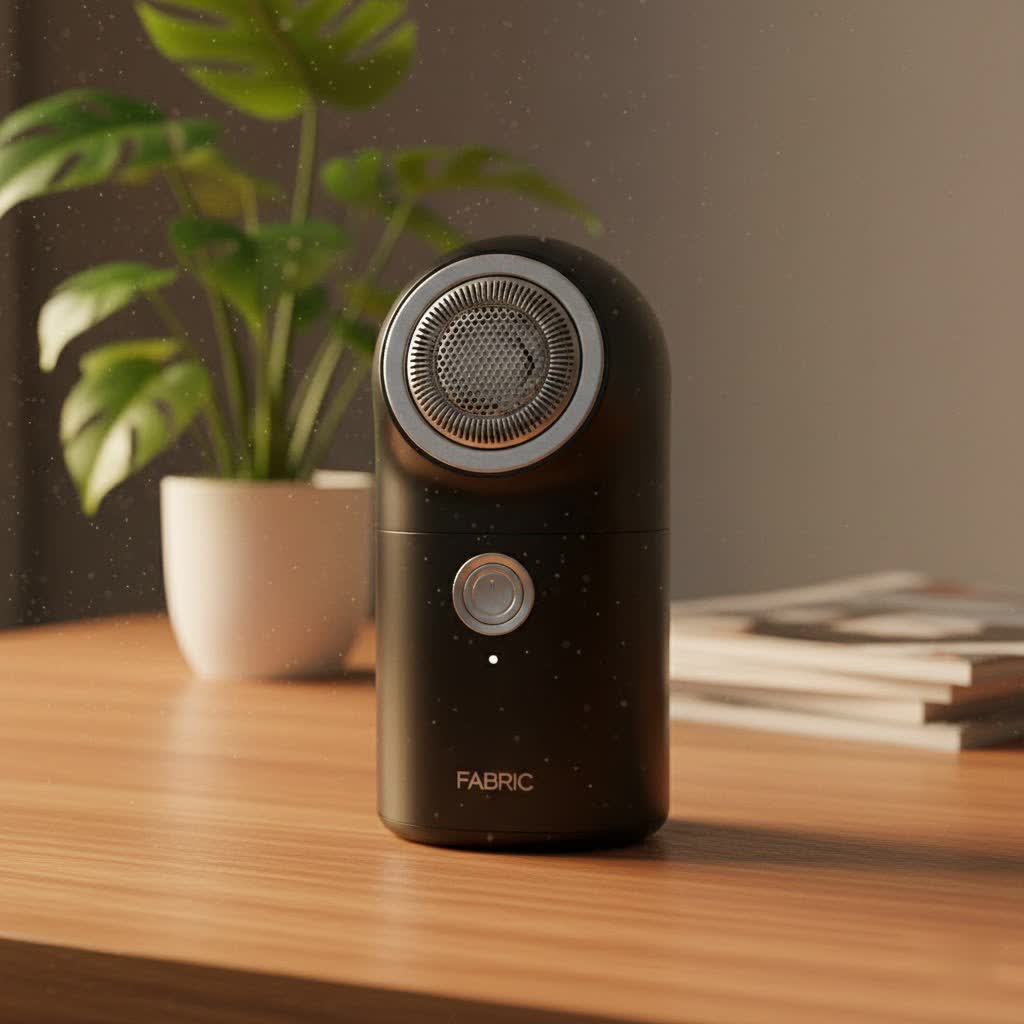
Have you ever pulled out your favorite sweater, only to find it marred by unsightly pills and fuzz? It’s a common frustration that can make beloved garments look old and worn long before their time. The good news is, there’s a simple, effective solution: a fabric shaver. This indispensable tool can restore your clothes, blankets, and upholstery to their former glory, making them look fresh and new again. This comprehensive guide will delve into the world of fabric shavers, with a special focus on convenient battery-powered models, helping you choose and use the perfect one to keep your fabrics pristine.
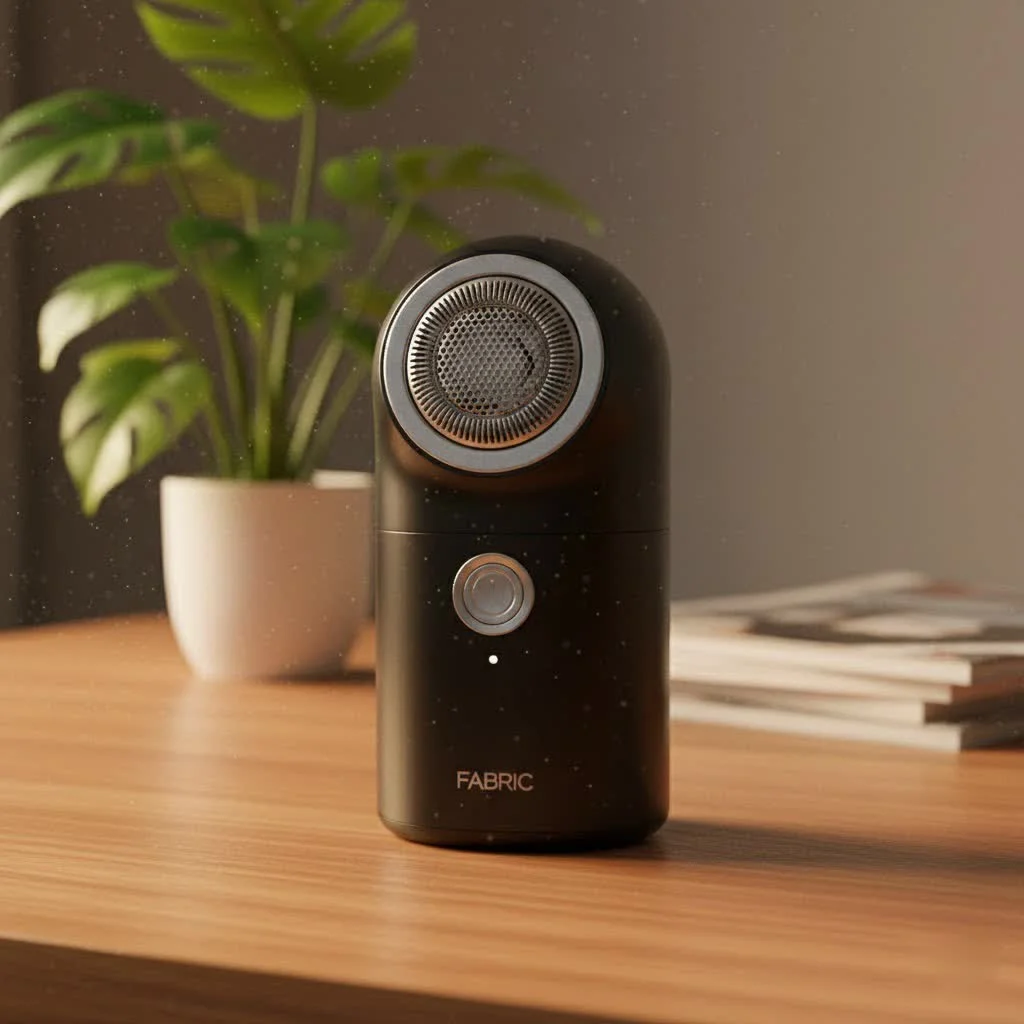
What is a Fabric Shaver and Why Do You Need It?
A fabric shaver is a handheld electronic device designed to gently remove lint, fuzz, and pills from the surface of various fabrics without causing damage. These tiny, matted balls of fibers, known as pills, form when friction causes loose strands to tangle together. Common culprits include washing, wearing, and general rubbing against other surfaces.
Almost any fabric can fall victim to pilling, including natural fibers like wool, cotton, and cashmere, as well as synthetics like fleece and acrylic blends. Sweaters, socks, blankets, scarves, upholstery, and even leggings are all prone to developing these bothersome bobbles.
The benefits of using a fabric shaver are numerous. By efficiently trimming away pills and lint, a fabric shaver can dramatically extend the lifespan of your clothing and home textiles, keeping them looking neat and well-maintained. This not only preserves the aesthetic appeal of your items but also saves you money in the long run by reducing the need to replace prematurely aged garments. It’s an eco-friendly way to practice sustainable fashion, giving your textiles a second life.
Popular Types of Fabric Shavers on the Market
While this guide emphasizes battery-powered options, understanding the broader landscape of fabric shavers helps in making an informed choice. Fabric shavers primarily come in three types: battery-operated (which can be either disposable battery-powered or rechargeable), corded electric, and manual.
Battery-Powered Handheld Fabric Shavers
Battery-powered fabric shavers, including those using disposable batteries and rechargeable models, offer unparalleled convenience and portability. They are a popular choice for their ease of use and wire-free operation.
- Advantages: These devices are compact, lightweight, and incredibly convenient for use at home or while traveling. The absence of a cord allows for greater maneuverability, making it easier to tackle larger items like blankets or furniture without being tethered to an outlet. Rechargeable models, often featuring USB-C charging, are eco-friendlier and save on the cost of disposable batteries. Many rechargeable fabric shavers can offer several hours of continuous use on a single charge, such as two hours, and some can even be used while actively charging.
- Disadvantages: Models using disposable batteries require frequent battery replacement, which can be an ongoing cost and environmental concern. Some battery-powered shavers may have less raw power compared to their corded counterparts, potentially requiring more passes on heavily pilled areas.
- Best Suited for: Everyday use on a variety of garments, quick touch-ups before heading out, and ideal for packing in a travel bag. They are excellent for sweaters, scarves, and smaller fabric items.
Corded Electric Fabric Shavers
|
Our Picks for the Best Fabric Shaver in 2026
As an Amazon Associate I earn from qualifying purchases.
|
||
| Num | Product | Action |
|---|---|---|
| 1 | Fabric Shaver, Lint Remover Rechargeable, Electric Portable Sweater Defuzzer with 3 Speeds, 6 Leaf Blades, Digital LED Display to Remove Pilling for Clothes, Furniture, Sweater, Couch, Blanket |

|
| 2 | POPCHOSE Fabric Shaver, Sweater Shavers to Remove Pilling, Lint Shaver with 6-Leaf Blades, Electric Lint Remover for Clothes, Couch, Furniture, Fuzz, Lint Ball, Pillings, USB Rechargeable |
|
| 3 | Fabric Shaver Electric Lint Remover Rechargeable Sweater Shaver Dual Protection Removable Bin Easy Remove Fuzz Lint Pills Bobbles FSER001 |
|
| 4 | Ruidla Fabric Shaver Lint Shaver Defuzzer, Electric Lint Remover, Rechargeable Sweater Shaver with Replaceable Stainless Steel 3-Leaf Blades, Dual Protection, Removable Bin, (Micro-b Charging) |
|
| 5 | Conair Fabric Shaver and Lint Remover, Battery-Operated Portable Clothes Shaver with 3 Settings, Fuzz Remover for Sweaters, Clothing and Furniture, Large 2-Inch Shaving Head, White |
|
| 6 | Ruidla Fabric Shaver Defuzzer, Electric Lint Remover, Rechargeable Sweater Shaver with Stainless Steel 3-Leaf Blades, Dual Protection, Removable Bin, Easy Remove Fuzz, Lint, Pills, Bobbles |
|
| 7 | Fabric Shaver, Lint Remover Rechargeable, Electric Portable Sweater Defuzzer with 3 Speeds, 6 Leaf Blades, Digital LED Display to Remove Pilling for Clothes, Furniture, Sweater, Couch, Blanket |
|
| 8 | Fabric Shaver, Ziitty Lint Remover for Clothes, Type-C Rechargeable Lint Shaver with LCD Display & 6-Blade, Sweater Shavers to Remove Pilling,Fuzz Remover Fabric Shaver for Clothing and Furniture |
|
| 9 | Philips Fabric Shaver, Removes Fabric Pills, Suitable for All Garments, Large Blade Surface, Cleaning Brush, Includes Batteries, Blue (GC026/00) |
|
| 10 | DRFLASH 2-in-1 Fabric Shaver Rechargeable - 3 Speeds Lint Remover with Digital LED Display & Type-C Fast Charging Port, Electric Sweater Defuzzer for Clothes, Furniture, Couch, Blanket |
|
Corded electric fabric shavers plug directly into an outlet, providing consistent power without worrying about battery life.
- Advantages: With a direct power source, these shavers typically offer stronger and more consistent motor performance, allowing for faster and more efficient de-pilling, especially on heavily pilled fabrics or large surface areas like upholstery. You never have to worry about the device dying mid-task.
- Disadvantages: The main drawback is their lack of portability. Being tethered to an electrical outlet limits where and how you can use the shaver, making them less convenient for travel or quick touch-ups away from home.
- Best Suited for: Extensive de-pilling jobs, furniture, large blankets, or when you have many items to refresh at once.
Fabric Shavers with Adjustable Speed/Height Settings
Some advanced electric and rechargeable fabric shavers come with adjustable speed or blade height settings, offering greater control for different fabric types.
- Advantages: This versatility allows you to safely treat a wider range of fabrics, from delicate silks and cashmere to robust wool and upholstery. Lower settings are typically for thinner, more delicate materials, while higher settings are for thicker, more durable fabrics. This reduces the risk of damaging sensitive items.
- Disadvantages: These models generally come at a higher price point due to their advanced features.
- Best Suited for: Individuals with a diverse wardrobe comprising various fabric types, those who frequently work with delicate materials, or anyone seeking maximum control and precision.
Comparison Table of Fabric Shaver Types
Here’s a quick overview of the different fabric shaver types to help you weigh your options:
| Feature | Battery-Powered (Disposable) | Battery-Powered (Rechargeable) | Corded Electric | Adjustable Speed/Height |
|---|---|---|---|---|
| Power Source | AA/AAA batteries | Internal rechargeable battery | Wall outlet | Varies (often rechargeable) |
| Portability | High | High | Low | High |
| Power/Speed | Moderate | Moderate to High | High & Consistent | Moderate to High, Controlled |
| Runtime | Limited by battery life | 1-4 hours per charge | Unlimited | 1-4 hours per charge |
| Cost | Low initial, ongoing battery | Moderate | Moderate | Higher |
| Environmental | Less eco-friendly | More eco-friendly | Eco-friendly (no battery waste) | More eco-friendly |
| Convenience | Very high, wire-free | Very high, wire-free | Moderate, tethered | High, versatile |
| Ideal Use | Quick fixes, travel | Everyday use, travel | Large jobs, heavy fabrics | Delicate to heavy fabrics |
How to Choose the Right Fabric Shaver (Buying Guide)
Selecting the best fabric shaver can seem daunting with so many options available. Consider these factors to find a model that perfectly suits your needs:
Determine Your Usage Needs
Before anything else, think about what you’ll be shaving. Do you primarily need it for a few delicate sweaters, or do you have a pile of wool blankets, upholstery, and various garments that need regular de-pilling? If you travel frequently, a compact, battery-powered model is essential. If you anticipate heavy, consistent use on large items, a corded or powerful rechargeable unit might be more suitable. Consider the types of fabrics you own; “wool, cotton, fleece, and cashmere handle fabric shavers well,” notes cleaning expert Jennifer Rodriguez.
Set Your Budget
Fabric shavers range widely in price, from under $10 for basic models to over $60 for premium, feature-rich options. While budget-friendly options can be effective, investing a bit more can often get you better durability, stronger motors, and more convenient features like a larger lint trap or adjustable settings. For a good balance of performance and price, many highly-rated rechargeable options fall in the $15-$30 range.
Essential Features to Look For
- Adjustable Blade Height/Speed Settings: This feature is crucial if you plan to use the shaver on a variety of fabrics, from delicate cashmere to chunky knits. Adjustable settings help prevent damage by allowing you to customize the intensity of shaving.
- Large Lint Collection Bin: A spacious, easy-to-empty lint bin minimizes interruptions, allowing you to de-pill more efficiently. Nobody wants to stop every few minutes to empty a tiny container.
- Blade Quality and Replacements: Look for durable, sharp stainless steel blades. Some models come with replacement blades, which is a great value and ensures the shaver maintains its effectiveness over time.
- Ergonomic Design: A comfortable grip and lightweight design reduce hand fatigue, especially during longer de-pilling sessions.
- Power Source: Decide between disposable battery, rechargeable battery (often USB-C), or corded. For ultimate portability and sustainability, a USB-rechargeable fabric shaver is often the best choice. Look for decent battery life, like 2-4 hours of run time, and quick charging capabilities.
- Shaver Head Surface Area: A larger shaver head can cover more ground in one pass, speeding up the de-pilling process for bigger items.
Reputable Brands
Some brands consistently receive high marks for their fabric shavers. Conair, Magictec, Beautural, Steamery, and Philips are frequently mentioned in reviews as reliable choices that deliver good performance and durability.
Read User Reviews
Always check reviews from other users. Real-world feedback can offer invaluable insights into a product’s performance, durability, and any potential quirks. Pay attention to comments regarding battery life, effectiveness on specific fabric types, and ease of cleaning.
How to Use a Fabric Shaver Correctly
Using a fabric shaver is straightforward, but following a few key steps will ensure optimal results and prevent damage to your garments:
- Prepare the Fabric: Lay your garment or textile flat on a hard, even surface. This creates a taut surface, preventing the fabric from bunching up and getting snagged by the blades. Smooth out any wrinkles or creases.
- Turn On and Select Setting: Turn on your fabric shaver. If it has adjustable speed or height settings, start with a lower setting for delicate fabrics and a higher setting for thicker materials. If unsure, test on an inconspicuous area first.
- Gentle, Circular Motions: Gently glide the shaver over the pilled areas, using light, circular motions. Avoid pressing down too hard, as excessive pressure can damage the fabric or dull the blades. Gradually increase pressure if needed, but always prioritize gentle movements.
- Monitor the Lint Bin: Keep an eye on the lint collection bin. It can fill up quickly, especially on heavily pilled items. Pause occasionally to empty it to maintain optimal suction and performance.
- Target Problem Areas: Pilling tends to occur in areas of high friction, such as under the arms, down the sides, and around the lower back of sweaters. Rotate and adjust the item as you work to reach all affected areas, including seams and edges.
- Finishing Touch: Once you’ve removed all the pills, you might want to use a lint roller or brush to pick up any remaining loose fibers.
Tips for Maintaining Your Fabric Shaver to Extend Its Lifespan
Proper maintenance is essential to keep your fabric shaver working efficiently and to extend its life.
- Clean After Every Use: After each de-pilling session, empty the lint collection bin. Many shavers come with a small brush for cleaning the blades and the inside of the shaver head. Regularly remove trapped lint and fuzz from around the blades and screen to prevent buildup that can affect performance.
- Replace Blades Periodically: Just like razor blades, fabric shaver blades will dull over time. If you notice a decrease in effectiveness or if the shaver starts tugging at fabric, it’s likely time for a blade replacement. Many models include extra blades or allow you to purchase them separately.
- Store Properly: Store your fabric shaver in a dry, cool place, away from dust and moisture. If it has a protective cap, always use it to cover the blades when not in use. This protects the blades from damage and prevents accidental cuts.
- Charge Responsibly: For rechargeable models, follow the manufacturer’s instructions for charging. Avoid overcharging or completely draining the battery frequently, as this can impact battery longevity.
Conclusion
A battery-powered fabric shaver is a small investment that offers tremendous returns, breathing new life into your cherished garments and textiles. With the ability to effortlessly remove unsightly pills and lint, these handy devices help you maintain a polished appearance, extend the lifespan of your wardrobe, and practice more sustainable consumption. By understanding the types available, knowing what features to prioritize, and following simple usage and maintenance tips, you can confidently choose the best fabric shaver for your needs.
Ready to transform your tired textiles? Which of your favorite items will get a new lease on life with a battery-powered fabric shaver?
Frequently Asked Questions
What kind of fabrics can I use a fabric shaver on?
You can use fabric shavers on most types of fabrics, including wool, cotton, fleece, acrylic, and even delicate materials like cashmere, provided you use the correct settings. Always test on an inconspicuous area first, especially with delicate or synthetic blends.
Can a fabric shaver damage my clothes?
When used correctly, a fabric shaver should not damage your clothes. The key is to lay the fabric flat, use gentle pressure, and select appropriate blade height or speed settings for different fabric types. Avoid pressing too hard or using it on loose threads.
How often should I clean my fabric shaver?
It’s best to clean your fabric shaver after every use. Emptying the lint compartment and brushing off trapped fibers from the blades and screen ensures optimal performance and prevents lint buildup from jamming the mechanism.
Are rechargeable fabric shavers better than battery-operated ones?
Rechargeable fabric shavers, often powered via USB, are generally preferred over models using disposable batteries. They are more eco-friendly, eliminate the ongoing cost of batteries, and usually offer consistent power and longer runtimes on a single charge.
What’s the difference between a fabric shaver and a lint roller?
A fabric shaver uses rotating blades to cut off pills and fuzz from the surface of fabric, effectively removing them. A lint roller, on the other hand, uses adhesive sheets to pick up loose lint, hair, and dust but is not designed to remove deeply embedded pills.
Get our weekly buyer guide
Practical specs, not advice. Unsubscribe anytime.
