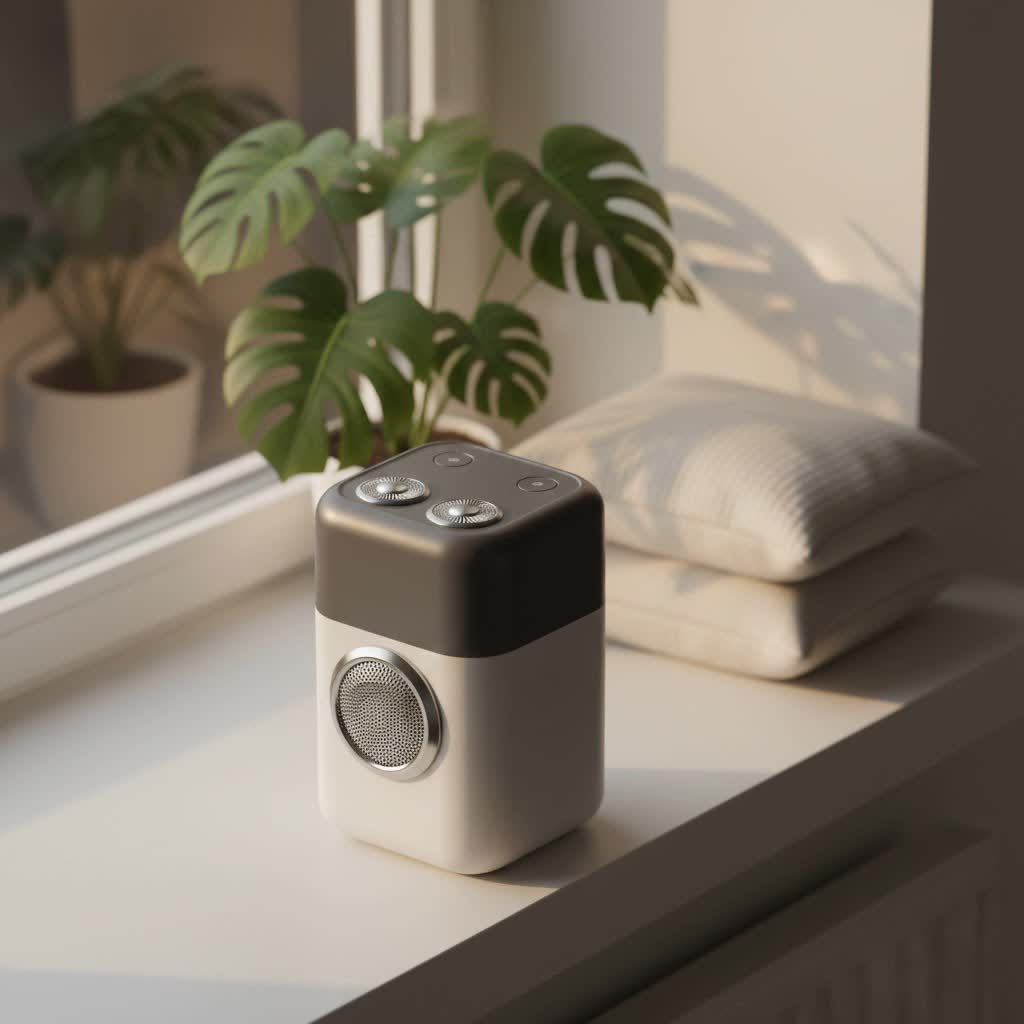
Has your beloved sofa lost its luster? Do your favorite blankets and oversized sweaters look tired and worn, covered in unsightly pills and fuzz? If so, you’re not alone. Daily wear and tear, coupled with friction, can cause fabric fibers to loosen and knot, leading to those annoying little balls that diminish the appeal of even the nicest textiles. But before you consider replacing these cherished items, there’s a powerful and cost-effective solution: the large fabric shaver. This indispensable tool is specifically designed to tackle extensive pilling on bigger surfaces, breathing new life into your home furnishings and wardrobe with remarkable efficiency.
What is a Fabric Shaver and Why Do You Need a Large One?
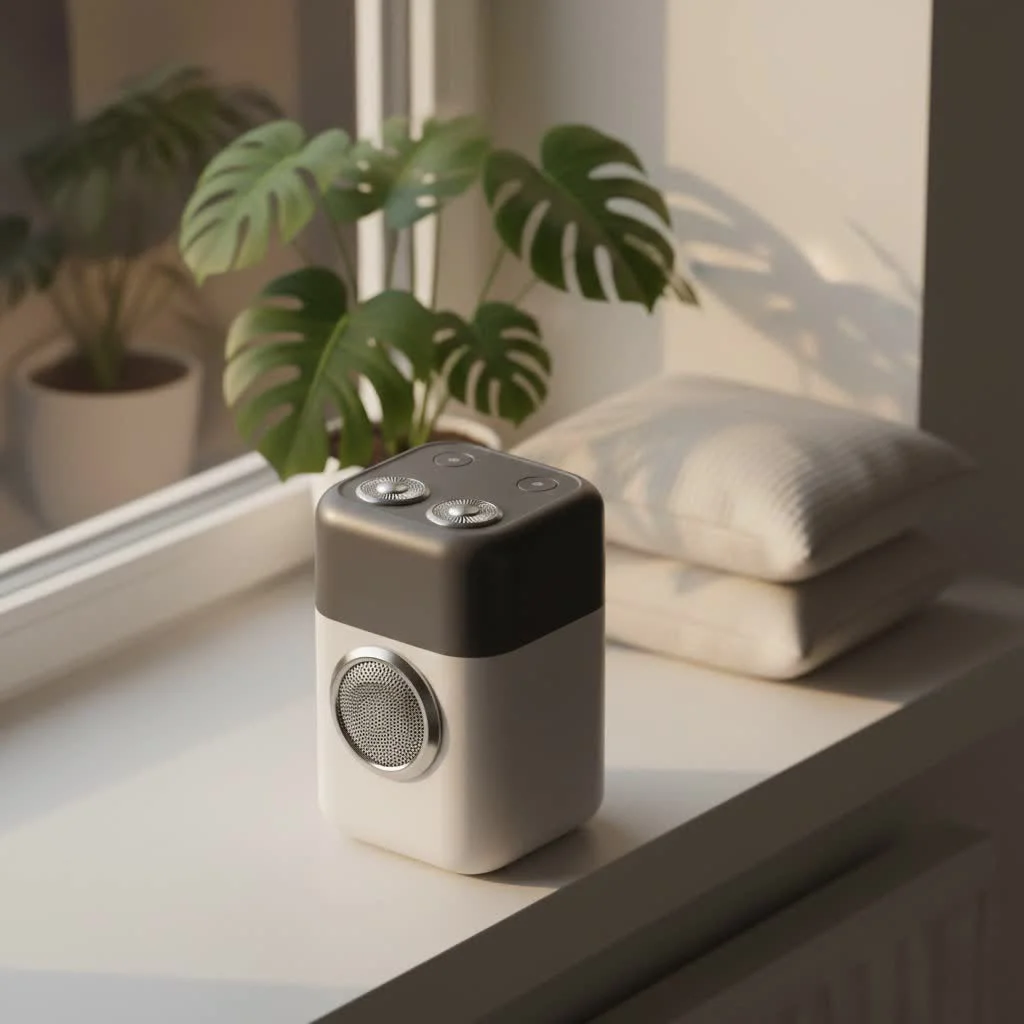
A fabric shaver, often referred to as a depiller, debobbler, or defuzzer, acts like a gentle razor for your textiles. It works by smoothly gliding over fabric surfaces, carefully cutting away accumulated lint, fuzz, and pills without causing further damage to the material. While any fabric shaver can handle smaller garments, a large fabric shaver is engineered for scale. It offers a broader shaving surface and often a more robust motor, making it the ideal choice for tackling extensive areas and stubborn pilling on bigger items. For expert fabric care reviews on this site.
Imagine effortlessly restoring the smooth finish of your upholstered couch, revitalizing a plush throw blanket, or refreshing a heavy winter coat. These are the tasks where a large fabric shaver truly shines. Fabrics like wool, polyester, cotton, synthetics, and even linen and denim are prone to pilling, especially with frequent use. For substantial items made from these materials, a standard, compact shaver would be slow and cumbersome. A large fabric shaver significantly cuts down the time and effort required, ensuring consistent, professional-looking results across vast surfaces. This not only extends the life of your textiles but also maintains the aesthetic appeal and comfort of your living space, making it a sustainable and smart investment.
Types of Large Fabric Shavers
The market offers several types of fabric shavers, each with distinct advantages and disadvantages when it comes to tackling larger de-pilling tasks. Understanding these differences will help you select the perfect tool for your needs.
Corded Electric Large Fabric Shavers
These models draw power directly from a wall outlet, offering consistent and often superior power.
- Pros: Enjoy uninterrupted, powerful performance without worrying about battery life or recharging. They typically feature strong motors, ideal for heavy-duty, continuous use on deeply pilled fabrics.
- Cons: Mobility is limited by the length of the power cord, which can be cumbersome when working on large furniture pieces or items far from an outlet. Some users might experience motor vibration during prolonged use, leading to hand fatigue.
- Best for: Stationary large items like sofas, armchairs, curtains, or large blankets where a power source is readily available and extensive de-pilling is needed.
Rechargeable Cordless Large Fabric Shavers
|
Our Picks for the Best Fabric Shaver in 2026
As an Amazon Associate I earn from qualifying purchases.
|
||
| Num | Product | Action |
|---|---|---|
| 1 | Ruidla Fabric Shaver Defuzzer, Electric Lint Remover, Rechargeable Sweater Shaver with Stainless Steel 3-Leaf Blades, Dual Protection, Removable Bin, Easy Remove Fuzz, Lint, Pills, Bobbles |

|
| 2 | Conair Fabric Shaver and Lint Remover, Battery-Operated Portable Clothes Shaver with 3 Settings, Fuzz Remover for Sweaters, Clothing and Furniture, Large 2-Inch Shaving Head, White |
|
| 3 | Philips Fabric Shaver, Removes Fabric Pills, Suitable for All Garments, Large Blade Surface, Cleaning Brush, Includes Batteries, Blue (GC026/00) |
|
| 4 | Fabric Shaver, Ziitty Lint Remover for Clothes, Type-C Rechargeable Lint Shaver with LCD Display & 6-Blade, Sweater Shavers to Remove Pilling,Fuzz Remover Fabric Shaver for Clothing and Furniture |
|
| 5 | Ruidla Fabric Shaver Lint Shaver Defuzzer, Electric Lint Remover, Rechargeable Sweater Shaver with Replaceable Stainless Steel 3-Leaf Blades, Dual Protection, Removable Bin, (Micro-b Charging) |
|
| 6 | Fabric Shaver, Lint Remover Rechargeable, Electric Portable Sweater Defuzzer with 3 Speeds, 6 Leaf Blades, Digital LED Display to Remove Pilling for Clothes, Furniture, Sweater, Couch, Blanket |
|
| 7 | POPCHOSE Fabric Shaver, Sweater Shavers to Remove Pilling, Lint Shaver with 6-Leaf Blades, Electric Lint Remover for Clothes, Couch, Furniture, Fuzz, Lint Ball, Pillings, USB Rechargeable |
|
| 8 | DRFLASH 2-in-1 Fabric Shaver Rechargeable - 3 Speeds Lint Remover with Digital LED Display & Type-C Fast Charging Port, Electric Sweater Defuzzer for Clothes, Furniture, Couch, Blanket |
|
| 9 | Fabric Shaver Electric Lint Remover Rechargeable Sweater Shaver Dual Protection Removable Bin Easy Remove Fuzz Lint Pills Bobbles FSER001 |
|
| 10 | Fabric Shaver, Lint Remover Rechargeable, Electric Portable Sweater Defuzzer with 3 Speeds, 6 Leaf Blades, Digital LED Display to Remove Pilling for Clothes, Furniture, Sweater, Couch, Blanket |
|
Combining power with flexibility, these shavers operate on an internal rechargeable battery.
- Pros: Offer excellent portability and convenience, allowing you to move freely without being tethered to an outlet. Many rechargeable models are powerful enough to handle significant de-pilling tasks effectively. They are also considered more environmentally friendly than battery-operated versions requiring disposable batteries.
- Cons: Battery life can limit continuous usage, especially on very large projects, requiring pauses for recharging. Charging times can vary, and over time, battery performance may degrade.
- Best for: Versatile use around the house, including large sweaters, smaller rugs, car seats, or outdoor cushions, where mobility is key but you still need good power.
Battery-Operated Large Fabric Shavers
These shavers use disposable batteries (e.g., AA or AAA). While some models may have larger heads, they are generally less powerful than corded or rechargeable options.
- Pros: Highly portable and convenient for quick touch-ups anywhere. Batteries are widely available, making replacement straightforward.
- Cons: Tend to have lower power output compared to other electric types, which can make them less efficient on heavy pilling or very dense fabrics. The ongoing cost and environmental impact of disposable batteries are also considerations. Battery performance can also diminish as the charge runs low.
- Best for: Lighter de-pilling tasks on large clothing items, travel, or situations where no power outlet is accessible for charging.
Manual Large Fabric Shavers (Fabric Combs with Wide Heads)
These non-electric tools rely on manual effort to remove pills. Some feature wide heads designed for larger areas.
- Pros: No electricity or batteries required, making them eco-friendly and always ready for use. They are typically very gentle on delicate fabrics, as the user has full control over pressure. Generally, they are also the most inexpensive option.
- Cons: Much slower and more labor-intensive than electric counterparts, especially for heavily pilled areas. They may not be as effective on dense or deeply embedded pills.
- Best for: Very delicate large knits, light pilling on cashmere or fine wool blankets, or for users who prefer a quiet, controlled, and sustainable method. The Gleener Fabric Shaver & Lint Brush, for example, is a manual option with a wide edge suitable for upholstery.
Bảng so sánh các loại Fabric Shaver
| Feature | Corded Electric Large Fabric Shaver | Rechargeable Cordless Large Fabric Shaver | Battery-Operated Large Fabric Shaver | Manual Large Fabric Shaver (Wide Head) |
|---|---|---|---|---|
| Power Source | AC Outlet | Rechargeable Battery (USB/Wall Adapter) | Disposable Batteries (AA/AAA) | User Effort (No Power) |
| Portability | Limited (by cord length) | High (wireless) | Very High (wireless) | Very High (no power source needed) |
| Power/Efficiency | Very High (consistent power) | High (good power, but finite battery) | Moderate (power decreases with battery) | Low (relies on manual effort) |
| Ideal Use | Large upholstery, heavy-duty, continuous | Versatile home use, moderate large items | Quick touch-ups, light pilling, travel | Delicate fabrics, light pilling, eco-friendly |
| Price Range | Mid-High | Mid | Low-Mid | Low |
| Maintenance | Blade cleaning/replacement | Charging, blade cleaning/replacement | Battery replacement, blade cleaning/replacement | Cleaning lint from comb |
Hướng dẫn chọn mua Fabric Shaver phù hợp (Buying Guide)
Choosing the right large fabric shaver involves considering several factors to ensure it meets your specific needs and provides the best value.
Xác định nhu cầu sử dụng
Before making a purchase, assess what large items you primarily intend to de-pill. Are you tackling a vast sofa, numerous blankets, heavy winter coats, or perhaps curtains? Consider how frequently you’ll be using the shaver. For occasional, light pilling on a few large items, a less powerful option might suffice. However, for regular, heavy-duty use on extensive surfaces, a more robust model is essential.
Ngân sách
Fabric shavers come in a wide price range. Determine how much you are willing to invest. While budget-friendly options exist, investing a bit more in a high-quality large fabric shaver can offer better performance, durability, and a longer lifespan, ultimately saving you money in the long run by extending the life of your textiles.
Các tính năng cần thiết
- Shaving Head Size: For large items, prioritize a shaver with a generous head diameter, ideally around 3 inches or larger. A wider head means you can cover more surface area with each pass, significantly speeding up the de-pilling process.
- Motor Power and Speed Settings: A powerful motor is crucial for efficiently removing pills from dense or heavily pilled fabrics found on upholstery or thick blankets. Adjustable speed settings are highly beneficial, allowing you to tailor the power to different fabric types – a lower speed for delicate materials and a higher speed for more resilient ones.
- Lint Collection Bin: Large jobs generate a lot of lint. A fabric shaver with an oversized, easily detachable lint collection bin will save you from constant interruptions for emptying, enhancing efficiency.
- Blade Quality and Replacements: Look for sharp, durable blades, with stainless steel being a preferred material for its resistance to corrosion and sustained sharpness. Check if replacement blades are readily available and how easy they are to change, as dull blades reduce effectiveness and can potentially damage fabric.
- Ergonomics and Handle: When working on large surfaces for extended periods, comfort is key. Choose a shaver with an ergonomic design and a comfortable grip to minimize hand fatigue.
Thương hiệu uy tín
Research and consider reputable brands known for producing quality garment care appliances. Brands frequently mentioned in reviews for effective fabric shavers include Conair, Philips, Gleener, Beautural, and Evercare. While individual models vary, a strong brand often indicates better manufacturing and customer support.
Đọc đánh giá của người dùng
User reviews provide invaluable insights into the real-world performance and durability of fabric shavers, especially regarding their effectiveness on large items. Look for feedback specifically mentioning use on upholstery, blankets, or heavy garments to gauge how well a particular model performs in scenarios relevant to your needs.
Hướng dẫn sử dụng Fabric Shaver đúng cách
To ensure optimal results and protect your fabrics, follow these guidelines when using your large fabric shaver:
- Preparation is Key: Always ensure the fabric you intend to shave is clean and completely dry. Lay the item flat on a hard, smooth surface like a table or floor. Crucially, stretch the fabric taut and smooth out any wrinkles to create an even surface for the shaver to glide over. This prevents accidental snags or damage.
- Start Gently: If your shaver has adjustable height or speed settings, begin with the lowest setting, especially if you’re unsure about the fabric’s delicacy. You can gradually increase the setting if needed.
- Consistent Motion: Gently glide the shaver across the pilled area using light, consistent pressure. Work in small, manageable sections, moving in straight lines or a gentle circular motion. Avoid pressing down too hard, as this can push the blades too deep, potentially damaging the fabric.
- Listen and Observe: Pay attention to the sound of the shaver and the fabric. If you hear a change in pitch or feel resistance, lift the shaver and check the area. You should see the pills disappearing and collecting in the lint bin.
- Empty Regularly: For large projects, the lint compartment can fill up quickly. Routinely pause to empty the bin to maintain optimal performance and prevent clogs. A full bin can reduce suction and efficiency.
- Handle Loose Threads with Care: If you encounter any loose threads that are not part of a pill, avoid running the shaver directly over them, as this could snag and pull the fabric.
- Practice Makes Perfect: If you’re new to using a fabric shaver, consider testing it on an inconspicuous area of the garment or a similar scrap fabric first to get a feel for the device and its optimal settings.
Mẹo bảo quản Fabric Shaver để kéo dài tuổi thọ
Proper maintenance is crucial for keeping your large fabric shaver performing efficiently and extending its lifespan.
- Clean After Every Use: After each de-pilling session, always empty the lint collection bin. Use the small brush often provided with the shaver to clean any trapped lint or fuzz from around the blades and the protective cover. This prevents blockages and ensures the blades can spin freely and effectively.
- Inspect Blades Regularly: Over time, blades will become dull, reducing the shaver’s efficiency. Inspect the blades for any damage or excessive wear. If your shaver has removable blades, replace them according to the manufacturer’s recommendations or when you notice a significant drop in performance. Sharp, high-quality stainless steel blades are essential for effective pill removal without damaging fabrics.
- Store Properly: Store your fabric shaver in a clean, dry place, away from dust and moisture. If it comes with a protective cap or case, use it to cover the shaving head when not in use. This protects the blades and prevents accidental activation.
- Battery Care for Cordless Models: For rechargeable shavers, follow the manufacturer’s instructions for charging and storage to prolong battery life. Avoid completely draining the battery frequently or leaving it on the charger indefinitely if not recommended. For battery-operated models, remove disposable batteries if the shaver will not be used for an extended period to prevent leakage and corrosion.
Conclusion
A large fabric shaver is an invaluable tool for anyone looking to preserve the beauty and longevity of their home textiles and expansive wardrobe items. From plush blankets and cozy sweaters to resilient upholstery, these devices efficiently remove unsightly pills and fuzz, restoring fabrics to a like-new condition. By understanding the different types available, focusing on key features like shaving head size and motor power, and adhering to proper usage and maintenance techniques, you can make an informed choice and unlock the full potential of this garment care essential.
Don’t let pilling diminish the appeal of your favorite fabrics any longer. Which large fabric shaver will you choose to revitalize your cherished belongings?
Frequently Asked Questions
Can a large fabric shaver be used on delicate fabrics?
Many large fabric shavers come with adjustable height settings or multiple speed options. When using on delicate fabrics, always select the lowest height setting or gentlest speed and apply minimal pressure to avoid damage. Testing on an inconspicuous area first is also recommended.
How often should I empty the lint collector on my large fabric shaver?
It’s best practice to empty the lint collector after each use, especially when working on large items that generate a lot of fuzz. This prevents clogs, maintains optimal suction, and ensures consistent performance of the shaver.
Are replacement blades available for most large fabric shavers?
For many electric large fabric shavers, replacement blades are indeed available and often recommended to extend the life of the device. Check the product specifications or manufacturer’s website before purchasing to ensure blade replacements are an option.
Can I use a large fabric shaver on furniture with intricate designs or embellishments?
While effective on flat upholstered surfaces, it’s generally advised to avoid using a fabric shaver directly over areas with intricate embroidery, loose threads, buttons, zippers, or other embellishments to prevent snagging or damage to both the shaver and the furniture. Manual removal might be better for such spots.
Is a corded or rechargeable large fabric shaver better for heavy-duty use?
For truly heavy-duty and continuous use, especially on large upholstery projects, a corded large fabric shaver often provides more consistent power and reliability as it doesn’t rely on battery life. Rechargeable models are great for flexibility, but their battery capacity can be a limiting factor for very extensive tasks.
Get our weekly buyer guide
Practical specs, not advice. Unsubscribe anytime.

My sofa was looking pretty tired, especially the armrests where we always lean. I used a large fabric shaver on it, and the difference is really noticeable. It took a bit of time to get through the whole thing, but it definitely breathed new life into the fabric. I’m glad I didn’t have to buy a new couch just yet.
I’ve always struggled with those annoying little balls on my sweaters and even some of my decorative pillows. This large fabric shaver is a lifesaver! It’s so much more efficient than the smaller ones I’ve used in the past, and it handles extensive pilling with ease. My wardrobe and home furnishings are looking much better now.
I got a large fabric shaver to tackle the pilling on my curtains. It did a decent job of removing most of the fuzz, but I found that it sometimes snagged on the fabric if I wasn’t super careful. It’s effective, but you really have to go slowly, especially on delicate materials. It’s not as fast as I hoped it would be.
I was so close to replacing my favorite wool throw blanket because it was just covered in pills. I saw a recommendation for a large fabric shaver and decided to try it. This thing is a game-changer! It made quick work of all the fuzz, and now my blanket looks almost new again. Definitely worth the investment for anyone with a lot of larger textiles.