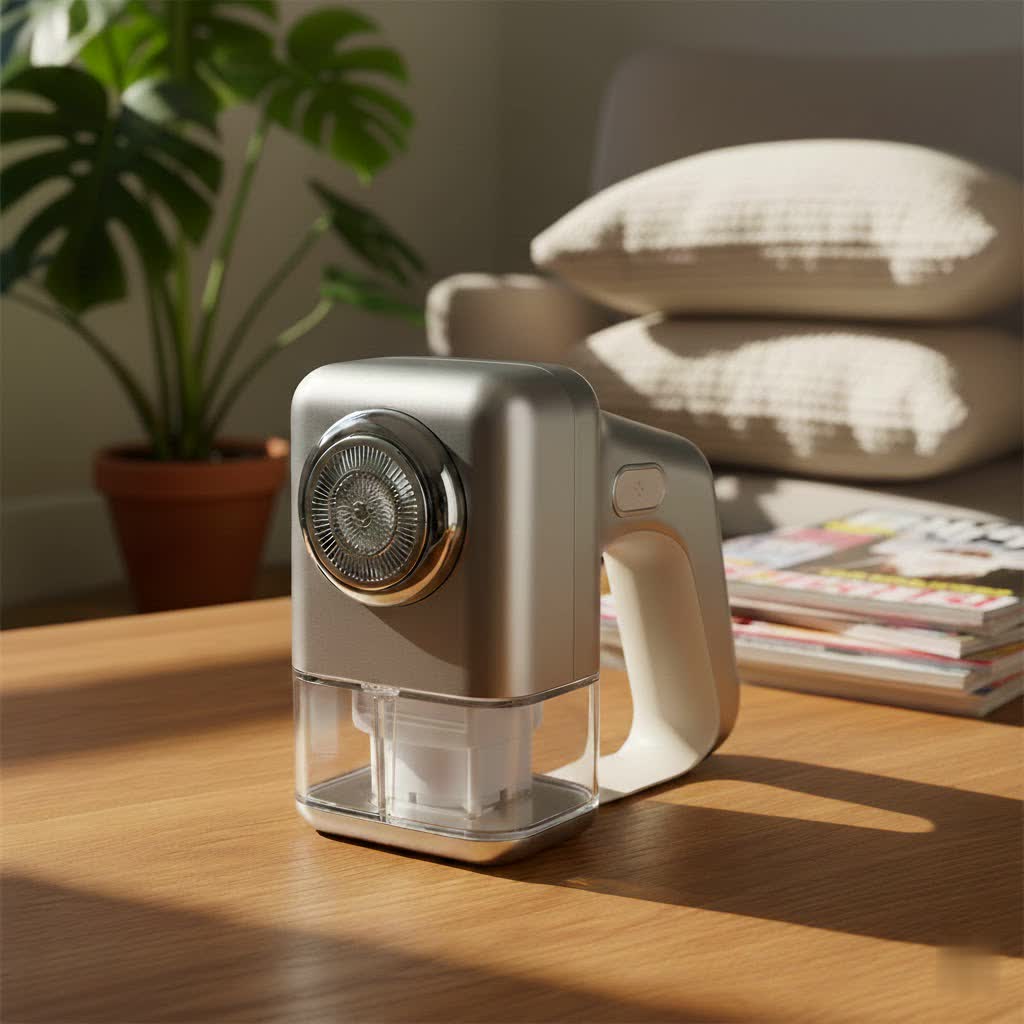
Have you ever pulled out your favorite sweater, only to find it covered in unsightly pills and fuzz? Don’t despair and certainly don’t discard it! Fabric pilling is a common problem, but thanks to modern ingenuity, a simple yet powerful tool exists to bring your beloved garments back to life: the rechargeable fabric shaver. This indispensable gadget promises to rejuvenate your textiles, making them look new again and extending their lifespan with ease and efficiency.
What is a Fabric Shaver and Why Do You Need a Rechargeable One?
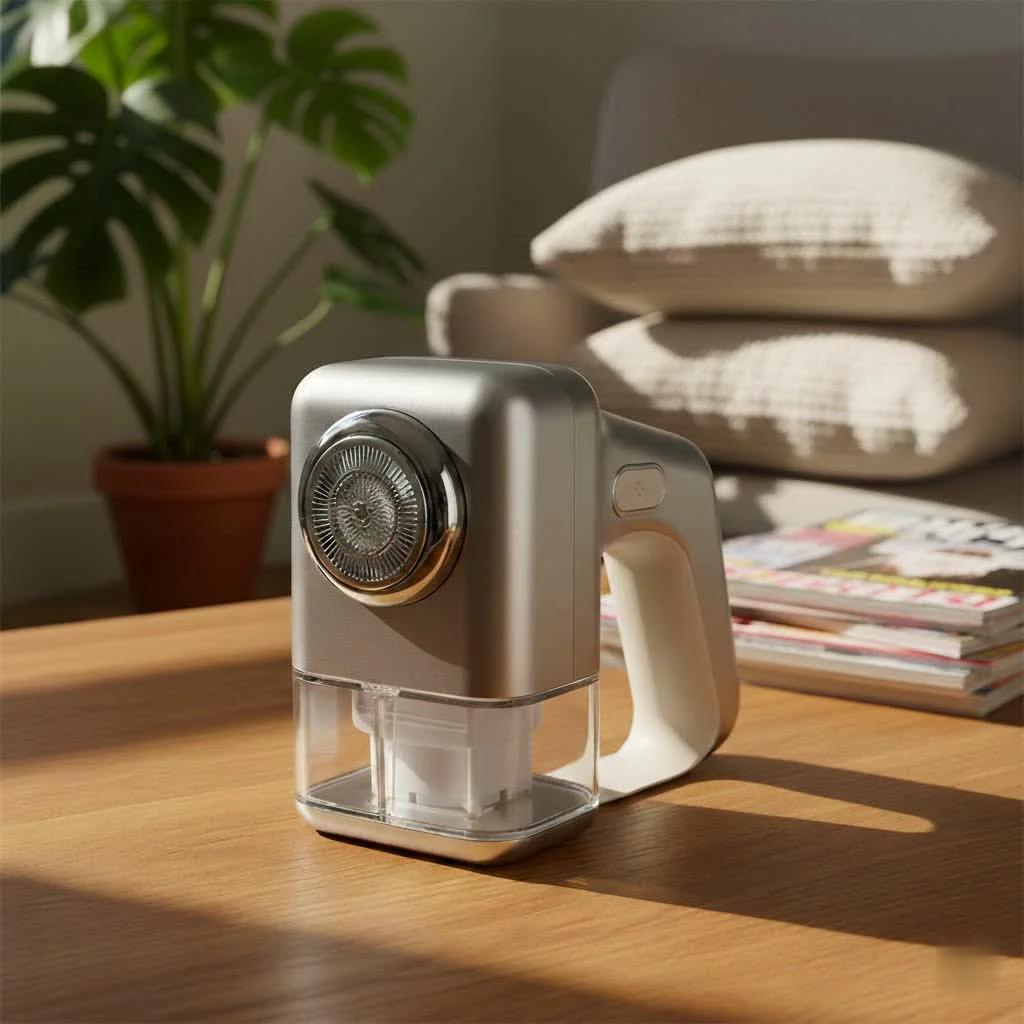
A fabric shaver, also known as a lint remover or defuzzer, is a small, handheld device designed to gently cut away lint, pills, and fuzz from the surface of various fabrics. These tiny, tangled balls of fibers form on clothing and upholstery due to friction and wear, making items look old and worn out. While traditional solutions like lint rollers only pick up loose debris, a fabric shaver effectively trims away these imperfections, leaving a smooth, refreshed surface. For see our fabric care recommendations on this site.
You might wonder why a rechargeable fabric shaver stands out among other types. Unlike its battery-operated counterparts that constantly require new disposable batteries, or corded versions that tether you to an outlet, a rechargeable model offers unparalleled convenience and portability. Imagine effortlessly defuzzing your couch, refreshing a travel blanket in your car, or touching up an outfit before heading out, all without hunting for batteries or an available socket. Rechargeable options provide consistent power throughout their charge, are more environmentally friendly by reducing battery waste, and often come packed with advanced features that enhance performance.
Exploring Types of Fabric Shavers
The world of fabric shavers offers a few distinct categories, each with its own advantages and limitations. Understanding these differences will help you appreciate the versatility of rechargeable models.
Battery-Operated Fabric Shavers
These handheld devices run on disposable AA or AAA batteries. They are often the most affordable option, making them a popular entry point for many users.
- Pros: Generally inexpensive, widely available, and highly portable. You can use them anywhere, provided you have fresh batteries on hand.
- Cons: Power can diminish as batteries drain, leading to less efficient shaving. The ongoing cost and environmental impact of replacing batteries can add up over time.
- Best for: Individuals who need a fabric shaver for occasional touch-ups on small items or those on a strict budget.
Corded Electric Fabric Shavers
Plug-in models offer a consistent and robust power supply, making them ideal for heavier-duty tasks.
- Pros: Deliver powerful and uninterrupted performance, often featuring stronger motors suitable for tackling extensive pilling on large surfaces like blankets or upholstery. You never have to worry about the battery dying mid-task.
- Cons: Their reliance on an electrical outlet limits mobility, making them less convenient for travel or quick fixes away from home.
- Best for: Frequent users with large items or those who prefer maximum power and consistency for home-based fabric care.
Rechargeable Fabric Shavers
|
Our Picks for the Best Fabric Shaver in 2026
As an Amazon Associate I earn from qualifying purchases.
|
||
| Num | Product | Action |
|---|---|---|
| 1 | Fabric Shaver Electric Lint Remover Rechargeable Sweater Shaver Dual Protection Removable Bin Easy Remove Fuzz Lint Pills Bobbles FSER001 |

|
| 2 | Ruidla Fabric Shaver Defuzzer, Electric Lint Remover, Rechargeable Sweater Shaver with Stainless Steel 3-Leaf Blades, Dual Protection, Removable Bin, Easy Remove Fuzz, Lint, Pills, Bobbles |
|
| 3 | Conair Fabric Shaver and Lint Remover, Battery-Operated Portable Clothes Shaver with 3 Settings, Fuzz Remover for Sweaters, Clothing and Furniture, Large 2-Inch Shaving Head, White |
|
| 4 | Fabric Shaver, Ziitty Lint Remover for Clothes, Type-C Rechargeable Lint Shaver with LCD Display & 6-Blade, Sweater Shavers to Remove Pilling,Fuzz Remover Fabric Shaver for Clothing and Furniture |
|
| 5 | Ruidla Fabric Shaver Lint Shaver Defuzzer, Electric Lint Remover, Rechargeable Sweater Shaver with Replaceable Stainless Steel 3-Leaf Blades, Dual Protection, Removable Bin, (Micro-b Charging) |
|
| 6 | POPCHOSE Fabric Shaver, Sweater Shavers to Remove Pilling, Lint Shaver with 6-Leaf Blades, Electric Lint Remover for Clothes, Couch, Furniture, Fuzz, Lint Ball, Pillings, USB Rechargeable |
|
| 7 | DRFLASH 2-in-1 Fabric Shaver Rechargeable - 3 Speeds Lint Remover with Digital LED Display & Type-C Fast Charging Port, Electric Sweater Defuzzer for Clothes, Furniture, Couch, Blanket |
|
| 8 | Fabric Shaver, Lint Remover Rechargeable, Electric Portable Sweater Defuzzer with 3 Speeds, 6 Leaf Blades, Digital LED Display to Remove Pilling for Clothes, Furniture, Sweater, Couch, Blanket |
|
| 9 | Fabric Shaver, Lint Remover Rechargeable, Electric Portable Sweater Defuzzer with 3 Speeds, 6 Leaf Blades, Digital LED Display to Remove Pilling for Clothes, Furniture, Sweater, Couch, Blanket |
|
| 10 | Philips Fabric Shaver, Removes Fabric Pills, Suitable for All Garments, Large Blade Surface, Cleaning Brush, Includes Batteries, Blue (GC026/00) |
|
Combining the best aspects of portability and consistent power, rechargeable fabric shavers are often considered the most balanced and versatile choice. They feature a built-in battery that can be recharged via USB or a dedicated adapter.
- Pros: Offer cordless freedom for use anywhere, maintain strong performance throughout the charge, and are environmentally conscious by eliminating disposable battery waste. Many models include convenient features like LED displays, multiple speed settings, and durable blades. They provide a cost-effective solution in the long run.
- Cons: The initial purchase price can be higher than basic battery-operated models, and battery life can vary between brands and models.
- Best for: Anyone seeking a convenient, powerful, and versatile solution for regular fabric care, whether at home or on the go, without compromising on performance or sustainability.
Rechargeable Fabric Shavers: Key Features and Comparison
Rechargeable fabric shavers are designed with modern convenience in mind, offering a range of features that enhance their effectiveness and user experience. When selecting one, consider these crucial aspects.
| Feature | Manual Fabric Shaver | Battery-Operated Fabric Shaver | Corded Electric Fabric Shaver | Rechargeable Fabric Shaver |
|---|---|---|---|---|
| Power Source | Hand-powered | Disposable Batteries | AC Outlet | Rechargeable Battery (USB) |
| Portability | Excellent | Excellent (with spare batteries) | Limited | Excellent |
| Power/Speed | Variable (user effort) | Moderate (decreases with battery drain) | High & Consistent | High & Consistent |
| Cost | Very Low | Low (plus ongoing battery cost) | Moderate | Moderate to High |
| Convenience | Requires effort | Easy, but needs battery changes | Plug-in required | Cordless, charge as needed |
| Eco-Friendly | Very High | Low (battery waste) | Moderate | High |
| Typical Features | Basic, sometimes multiple heads | On/Off, basic lint bin | On/Off, sometimes large bin | LED display, multi-speed, large bin, safety lock |
For rechargeable models specifically, look for these advanced features:
- Battery Life and Charging: Many offer 1 to 4 hours of continuous operation on a single charge, with charging times typically ranging from 1.5 to 4 hours. USB-C charging is increasingly common, allowing you to power up using various devices. Some advanced models even let you use the shaver while it’s actively charging, preventing interruptions.
- Blade System: Fabric shavers often come with either 3 or 6-blade cutting systems. A 6-blade cutter typically offers increased efficiency, especially on thicker fabrics and larger surface areas, removing pills more quickly and thoroughly.
- Speed Settings: Multiple speed settings (usually 2 or 3) provide flexibility. A lower speed is ideal for delicate fabrics like silk or thin knits, preventing damage, while a higher speed can tackle stubborn pilling on wool, cotton, or upholstery.
- Lint Collection Bin: A generously sized, easily removable, and transparent lint collection bin is a significant advantage. It allows you to see how much fuzz has been collected and simplifies the cleaning process.
- Ergonomics and Display: Look for a lightweight design with a comfortable, ergonomic handle that reduces hand strain during extended use. Many rechargeable shavers feature an LED display that shows battery percentage and current speed settings, keeping you informed at a glance. Some even have rotating handles for better maneuverability on various items.
How to Choose the Best Rechargeable Fabric Shaver (Buying Guide)
Selecting the perfect rechargeable fabric shaver can seem daunting with so many options available. Follow this buying guide to make an informed decision.
Assess Your Usage Needs
Start by considering what fabrics you’ll be using it on most frequently and how often. Do you need it for delicate sweaters, heavy blankets, or everyday wear? Will you primarily use it at home, or do you need a compact model for travel?
- For delicate fabrics: Prioritize models with adjustable speed settings and possibly blade height guards to prevent damage.
- For heavy-duty tasks (upholstery, large blankets): Look for higher power, larger shaving surfaces, and a robust 6-blade system for efficiency.
- For travel: Portability, compact size, and long battery life with quick USB charging are key.
Budget Considerations
Rechargeable fabric shavers come in a range of price points. While it’s tempting to opt for the cheapest, investing a bit more often pays off in terms of durability, features, and performance. Determine how much you’re willing to spend, keeping in mind that a good quality shaver is a long-term investment in your wardrobe.
Essential Features
Consider which features are non-negotiable for your needs:
- Adjustable Speed/Height Settings: Crucial for versatility across different fabric types.
- Large Lint Collection Capacity: Reduces the frequency of emptying, especially for larger jobs.
- Easy-to-Clean Design: Removable blades and a simple lint bin make maintenance hassle-free.
- LED Display: Provides real-time information on battery life and speed, preventing unexpected power loss.
- Quick Charging and Long Battery Life: Essential for convenience, particularly if you’re frequently on the go. USB-C charging adds to compatibility.
- Safety Lock: A feature that prevents the shaver from operating if the blade cover isn’t securely in place, protecting both the fabric and your hands.
Reputable Brands
While many brands produce fabric shavers, some have established reputations for quality and performance. Brands frequently mentioned in positive reviews for their rechargeable models include Magictec, Steamery, Philips, Beautural, Popchose, Gaiatop, and Homeasy. Researching these can provide a good starting point.
Read User Reviews and Ratings
Before making a final decision, always read reviews from other users. Real-world feedback can offer valuable insights into a shaver’s effectiveness on different fabrics, its battery performance, ease of use, and overall durability. Pay attention to comments regarding customer service and warranty information.
Mastering Your Rechargeable Fabric Shaver for Optimal Results
Using a fabric shaver effectively requires a little technique to ensure you remove pills without damaging your garments.
Preparation Before Use
- Lay Flat and Smooth: Always lay the fabric flat on a hard, even surface. Smooth out any wrinkles or creases to create a taut, uniform area for shaving. This prevents the fabric from getting caught in the blades and potentially tearing.
- Clean and Dry: Ensure the item is clean and completely dry. Moisture can cause lint to clump and stick, making it harder to remove.
- Charge Fully: For best results, make sure your rechargeable fabric shaver is fully charged before you begin.
Shaving Technique
- Gentle Passes: Hold the shaver lightly against the fabric. Do not press down hard, as this can push the fabric into the blades and cause holes, especially on delicate items.
- Consistent Motion: Move the shaver in gentle, circular motions or short, even strokes over the pilled areas. Overlap your passes slightly to ensure complete coverage.
- Test First: If you’re using the shaver on a new or delicate fabric, always test it on an inconspicuous area first, such as an inner seam or the underside of a hem.
Fabric-Specific Tips
- Delicate Fabrics (e.g., thin wool, cashmere, silk blends): Use the lowest speed setting if your shaver has multiple options. Maintain a very light touch.
- Thicker Fabrics (e.g., heavy wool, fleece, upholstery): You can typically use a higher speed setting and slightly firmer (but still gentle) pressure.
- Knitted vs. Woven: “Knitted fabrics tend to pill more than woven ones due to their looser structure,” explains Jennifer Rodriguez, Chief Hygiene Officer at Pro Housekeepers. “For these, gentle, consistent passes are key to avoid stretching the weave.”
Safety Precautions
- Never use a fabric shaver on an item that is being worn or on any part of your body.
- Keep fingers clear of the shaving head during operation.
- If the shaver jams or makes an unusual noise, turn it off immediately and check the blades and lint bin for obstructions.
- Always empty the lint container when it’s full to maintain optimal performance and prevent blockages.
Maintaining Your Rechargeable Fabric Shaver for Longevity
Proper care and maintenance will significantly extend the life of your rechargeable fabric shaver and ensure it continues to perform at its best.
Regular Cleaning
- Empty the Lint Bin: After every use, or when it appears full, twist off and empty the lint collection bin. Accumulated lint can reduce suction and efficiency.
- Clean the Blades: Use the small cleaning brush typically included with your shaver to carefully remove any trapped fuzz or fibers from around the blades and inside the shaving head. Some blades are detachable for a deeper clean, but always refer to your manual.
- Wipe Down: Periodically wipe the exterior of your shaver with a soft, dry cloth to remove dust and debris.
Blade Replacement
Fabric shaver blades can become dull over time, reducing their effectiveness. If you notice the shaver isn’t removing pills as efficiently as it once did, it might be time for a blade replacement. Many models come with extra blades, or you can purchase replacements from the manufacturer or third-party sellers. Refer to your shaver’s manual for instructions on how to safely replace the blades.
Proper Storage
Store your rechargeable fabric shaver in a dry, cool place, away from direct sunlight and extreme temperatures. If it came with a protective cap or storage bag, use it to keep the blades and shaving head free from dust and accidental damage.
Charging Best Practices
- Avoid Overcharging: While many modern rechargeable devices have safeguards against overcharging, it’s generally good practice to unplug your shaver once it’s fully charged.
- Use Recommended Charger: Always use the charging cable and adapter provided by the manufacturer, or one with equivalent specifications, to prevent battery damage.
Conclusion
A rechargeable fabric shaver is far more than just a novelty gadget; it’s a powerful tool for preserving the quality and appearance of your cherished textiles. By understanding its capabilities, choosing a model that fits your specific needs, and committing to proper usage and maintenance, you can effortlessly banish pills and fuzz, keeping your clothes, upholstery, and linens looking newer for longer. Embrace the convenience and effectiveness of a rechargeable fabric shaver, and unlock the secret to a perpetually pristine wardrobe. What fabric will you revive first with this essential garment care companion?
Frequently Asked Questions
What causes pilling on clothes?
Pilling occurs when short fibers on the surface of a fabric rub together, forming small, tangled balls or knots. This friction is common in areas of high movement, such as armpits, sleeves, and sides of garments. Fabrics made from shorter fibers, like cotton, polyester, and wool, are more prone to pilling.
Can I use a rechargeable fabric shaver on all fabrics?
Most fabric shavers are safe for a wide range of materials, including wool, cotton, fleece, synthetics, and even some delicate fabrics like cashmere. However, always read the manufacturer’s instructions for your specific shaver and test it on an inconspicuous area first to ensure compatibility and prevent damage. Avoid very loose knits or fabrics with delicate embellishments.
How often should I clean a fabric shaver?
You should clean your fabric shaver after every few uses, or whenever the lint collection bin appears full, to maintain optimal performance and prevent lint buildup. Regularly removing lint from the blades and bin ensures efficient operation and extends the life of the device.
What’s the difference between a fabric shaver and a lint roller?
A fabric shaver is an electric device with rotating blades that cuts off pills, fuzz, and lint from the fabric surface, restoring its smooth appearance. A lint roller, on the other hand, uses a sticky surface to pick up loose debris like pet hair, dust, and superficial lint, but it cannot remove pills that are firmly attached to the fabric.
How long do rechargeable fabric shavers last?
The lifespan of a rechargeable fabric shaver depends on its build quality, frequency of use, and how well it’s maintained. High-quality models can last for several years with proper care, including regular cleaning and occasional blade replacement. The internal battery’s capacity may diminish over many charge cycles, but the device itself should remain functional.
Get our weekly buyer guide
Practical specs, not advice. Unsubscribe anytime.
