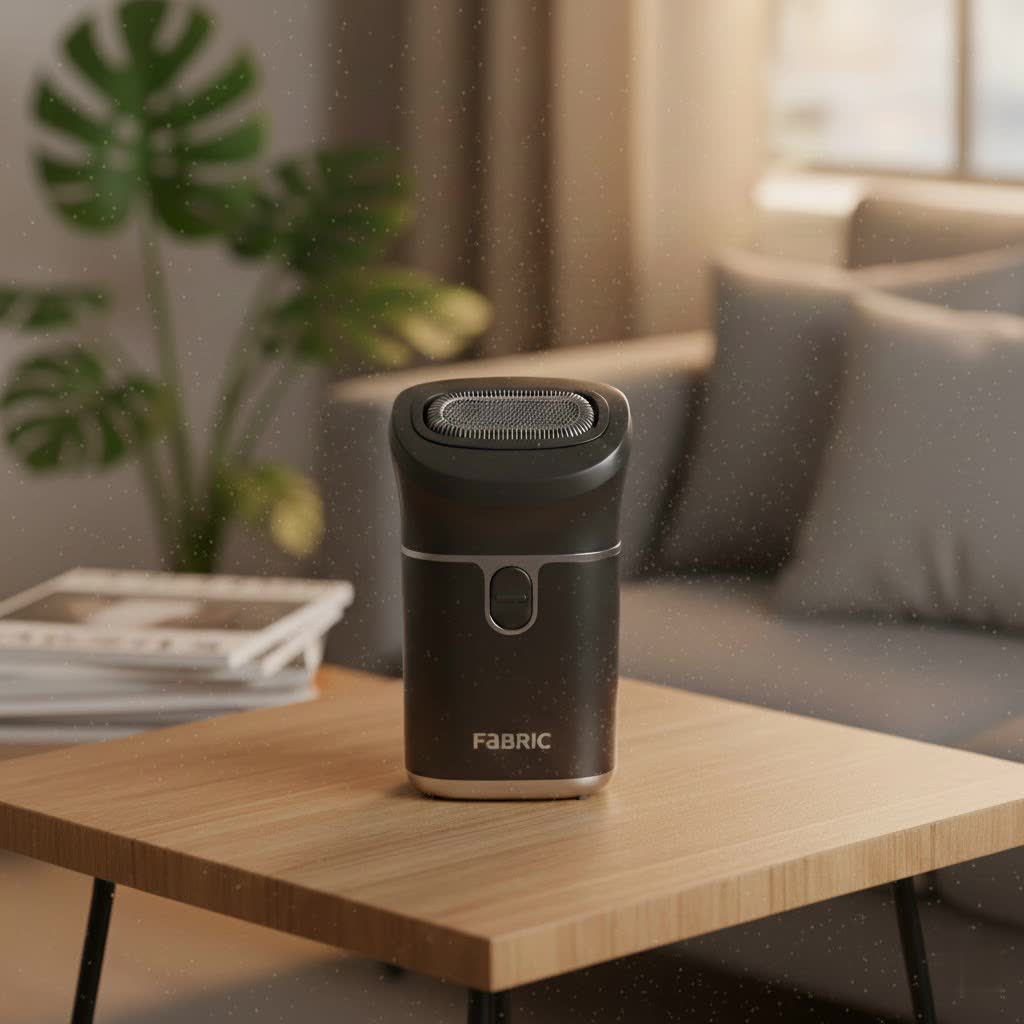
There’s nothing quite like settling into a comfortable couch, but over time, even the most beloved upholstery can develop unsightly fuzz balls and pilling, making it look worn and aged. These tiny fiber clusters, often caused by friction and wear, can diminish the appeal of your furniture. Fortunately, a powerful and efficient solution exists: the large fabric shaver for couches. This essential tool can transform your sofa from dull to dazzling, restoring its smooth texture and extending its lifespan.
What is a Fabric Shaver and Why Your Couch Needs One?
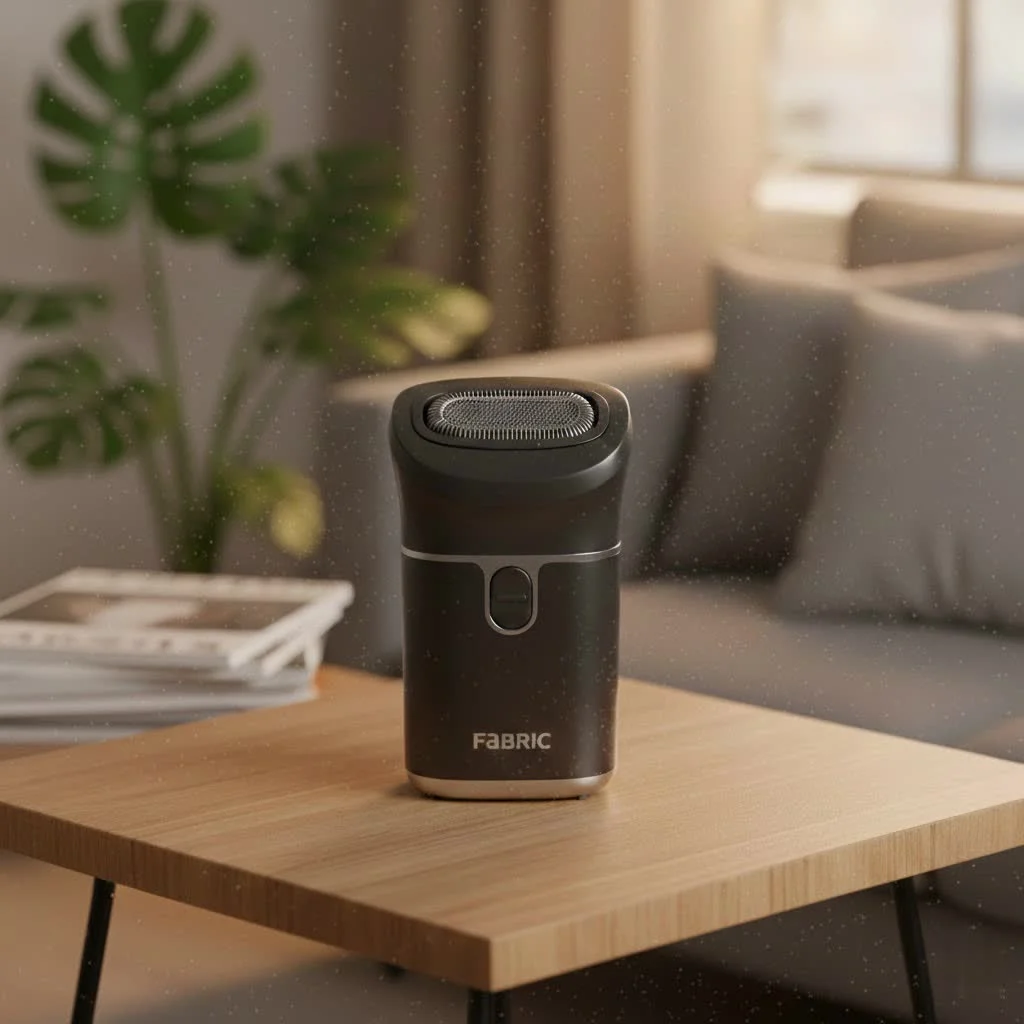
A fabric shaver, also known as a lint remover or defuzzer, is a handheld device designed to safely remove pills, fuzz, and lint from various textiles. For couches, these devices are invaluable. Pilling occurs when fabric fibers break and tangle together, forming small, annoying balls on the surface. This is particularly common on frequently used furniture due to constant rubbing from clothes, pet activity, or general wear and tear. For best fabric care roundups on this site.
Using a fabric shaver revitalizes your couch, making it look newer and feel smoother. This not only enhances your living space’s aesthetic but also extends the life of your furniture, saving you the expense of reupholstering or replacing it prematurely. It’s a simple, cost-effective way to maintain the beauty and comfort of your home.
Types of Fabric Shavers Ideal for Couches
Choosing the right fabric shaver for your couch largely depends on the size of your furniture, the severity of the pilling, and your preference for power and mobility. There are three main types to consider:
Corded Electric Fabric Shavers
Corded electric fabric shavers plug directly into an outlet, providing consistent and powerful performance without worrying about battery life. They are typically robust and designed for extended use, making them excellent for large pieces of furniture like sofas and sectionals.
- Pros: Strong, uninterrupted power; highly efficient for significant pilling; no need for batteries or recharging.
- Cons: Limited by cord length and proximity to an electrical outlet; less portable.
- Best for: Extensive depilling projects, large couches, or commercial use where continuous power is crucial.
Rechargeable Cordless Fabric Shavers
Rechargeable cordless fabric shavers offer the best of both worlds: the power of an electric motor with the freedom of cordless operation. They are charged via USB or a dedicated adapter, providing a period of use before needing to be recharged.
- Pros: Excellent mobility and convenience; strong enough for most pilling; often feature adjustable settings.
- Cons: Battery life can be a concern for very large or heavily pilled couches, requiring pauses for recharging.
- Best for: Regular maintenance of medium to large couches, or situations where an outlet isn’t easily accessible.
Manual Fabric Shavers with Large Heads
|
Our Picks for the Best Fabric Shaver in 2026
As an Amazon Associate I earn from qualifying purchases.
|
||
| Num | Product | Action |
|---|---|---|
| 1 | DRFLASH 2-in-1 Fabric Shaver Rechargeable - 3 Speeds Lint Remover with Digital LED Display & Type-C Fast Charging Port, Electric Sweater Defuzzer for Clothes, Furniture, Couch, Blanket |

|
| 2 | Ruidla Fabric Shaver Defuzzer, Electric Lint Remover, Rechargeable Sweater Shaver with Stainless Steel 3-Leaf Blades, Dual Protection, Removable Bin, Easy Remove Fuzz, Lint, Pills, Bobbles |
|
| 3 | Fabric Shaver, Lint Remover Rechargeable, Electric Portable Sweater Defuzzer with 3 Speeds, 6 Leaf Blades, Digital LED Display to Remove Pilling for Clothes, Furniture, Sweater, Couch, Blanket |
|
| 4 | Philips Fabric Shaver, Removes Fabric Pills, Suitable for All Garments, Large Blade Surface, Cleaning Brush, Includes Batteries, Blue (GC026/00) |
|
| 5 | Fabric Shaver Electric Lint Remover Rechargeable Sweater Shaver Dual Protection Removable Bin Easy Remove Fuzz Lint Pills Bobbles FSER001 |
|
| 6 | Conair Fabric Shaver and Lint Remover, Battery-Operated Portable Clothes Shaver with 3 Settings, Fuzz Remover for Sweaters, Clothing and Furniture, Large 2-Inch Shaving Head, White |
|
| 7 | Ruidla Fabric Shaver Lint Shaver Defuzzer, Electric Lint Remover, Rechargeable Sweater Shaver with Replaceable Stainless Steel 3-Leaf Blades, Dual Protection, Removable Bin, (Micro-b Charging) |
|
| 8 | POPCHOSE Fabric Shaver, Sweater Shavers to Remove Pilling, Lint Shaver with 6-Leaf Blades, Electric Lint Remover for Clothes, Couch, Furniture, Fuzz, Lint Ball, Pillings, USB Rechargeable |
|
| 9 | Fabric Shaver, Lint Remover Rechargeable, Electric Portable Sweater Defuzzer with 3 Speeds, 6 Leaf Blades, Digital LED Display to Remove Pilling for Clothes, Furniture, Sweater, Couch, Blanket |
|
| 10 | Fabric Shaver, Ziitty Lint Remover for Clothes, Type-C Rechargeable Lint Shaver with LCD Display & 6-Blade, Sweater Shavers to Remove Pilling,Fuzz Remover Fabric Shaver for Clothing and Furniture |
|
Manual fabric shavers, like those with an ergonomic design and wide shaving edges, operate without electricity. They rely on manual sweeping motions to gently lift and cut away pills. While requiring more effort, some larger manual models are specifically designed for upholstery.
- Pros: No batteries or electricity needed; highly portable; offers precise control, making them safe for delicate fabrics; often quieter.
- Cons: Requires more physical effort and time for large areas; less efficient for heavy pilling.
- Best for: Light pilling, touch-ups, very delicate couch fabrics, or as a portable solution for quick fixes.
Key Features to Look for in a Couch Fabric Shaver
When selecting a large fabric shaver for your couch, several features can significantly impact its performance and your user experience.
Shaving Head Size
For couches, a larger shaving head is a significant advantage as it covers more surface area with each pass, drastically reducing the time and effort required to depill your furniture. Look for models with shaving heads 2.5 inches or larger.
Power Source
As discussed, consider whether a corded model’s continuous power outweighs the mobility of a rechargeable option. For substantial furniture, a corded or a high-capacity rechargeable shaver is often best. Some rechargeable models offer longer run times or the ability to operate while plugged in.
Lint Collection Bin
A large, easily detachable lint collection bin is crucial for couch fabric shavers. Pilling from a large piece of furniture can fill smaller bins quickly, interrupting your work for frequent emptying. An easy-to-empty design ensures a smoother, more efficient cleaning process.
Adjustable Settings & Blade Types
Versatility is key for tackling different couch fabrics. Shavers with adjustable height settings or interchangeable shaving heads allow you to adapt the tool to various fabric types, from delicate weaves to more robust upholstery, preventing damage while ensuring effective pilling removal.
Ergonomics and Handle Design
You’ll be holding the fabric shaver for extended periods when working on a couch, so comfort is paramount. Look for an ergonomic design and a comfortable handle that reduces hand fatigue. Some models even feature longer handles, providing better reach and leverage.
Durability & Blade Replacement
Investing in a durable fabric shaver means it will withstand the demands of frequent use on upholstery. Check if replacement blades are readily available. Blades can dull over time, and easily replaceable blades ensure your shaver maintains its effectiveness for years to come.
How to Effectively Use a Fabric Shaver on Your Couch
Using a fabric shaver correctly is essential to achieve the best results and prevent damage to your upholstery.
1. Prepare the Fabric: Always ensure the couch fabric is clean and dry. Lay the fabric as flat and taut as possible. If it’s a loose cushion, remove it and place it on a stable surface. For fixed upholstery, smooth out the area you’re working on with one hand.
2. Choose the Right Setting: If your shaver has adjustable settings, start with the lowest setting, especially on new or delicate areas. You can gradually increase the setting if needed for more stubborn pills or thicker fabrics.
3. Gentle, Consistent Motion: Turn on the shaver and glide it gently over the pilled surface. For electric shavers, use small, circular motions. For manual shavers, use short, even sweeps. Avoid pressing too hard, as this can damage the fabric or snag loose threads. Let the blades do the work.
4. Work in Small Sections: Tackle your couch in manageable sections. This ensures thorough coverage and allows you to monitor the results and adjust your technique as needed.
5. Empty the Lint Bin Regularly: The lint bin can fill up surprisingly quickly, especially on a large, heavily pilled couch. Periodically pause, turn off the shaver, and empty the collected fuzz to maintain optimal performance.
6. Check Seams and Edges: Pilling often concentrates in high-friction areas like seams, armrests, and seat edges. Pay extra attention to these spots, repositioning the fabric or your shaver for better access.
Maintaining Your Fabric Shaver for Optimal Performance
Proper maintenance will ensure your large fabric shaver remains effective and lasts longer.
- Clean After Each Use: After depilling your couch, always turn off and unplug (if corded) your shaver. Carefully remove the lint bin and use the small brush (often included) to clean any lint or debris from the blades and the inside of the shaver head.
- Replace Blades Periodically: Fabric shaver blades, like razor blades, will dull with use. For optimal performance, replace the blades according to the manufacturer’s recommendations or when you notice a decrease in efficiency.
- Store Properly: Keep your fabric shaver in a dry, cool place, away from dust. If it’s a rechargeable model, follow the manufacturer’s guidelines for battery charging and storage to prolong battery life.
“A well-maintained fabric shaver is like an extension of your hand – precise, efficient, and ready to restore the beauty of your textiles at a moment’s notice.” – ReviewGazoo Admin, Fabric Shaver Expert
Conclusion
A large fabric shaver for your couch is more than just a gadget; it’s an investment in the longevity and appearance of your home furnishings. By understanding the different types, key features, proper usage, and maintenance, you can confidently choose a tool that will keep your sofa looking fresh and inviting. No more hiding under throws or contemplating costly replacements – a fabric shaver empowers you to easily revive your beloved couch. Are you ready to give your furniture a new lease on life?
Frequently Asked Questions
Are fabric shavers safe for all couch fabrics?
Fabric shavers are safe for most upholstery fabrics, including cotton, wool, synthetic blends, and fleece. However, extreme caution should be used on delicate materials like silk, lace, or very loosely woven knits, and it’s always wise to test on an inconspicuous area first.
How often should I use a fabric shaver on my couch?
The frequency depends on how quickly your couch pills. For high-traffic areas, you might need to use it every few weeks or months. For less used sections, once or twice a year might suffice. Regular light maintenance is often more effective than infrequent heavy sessions.
Can I use a regular razor instead of a fabric shaver on my couch?
While a regular razor can remove pills in a pinch, it’s generally not recommended for large areas like a couch. Razors can easily cut or damage the fabric if not used with extreme care, and they lack the safety guard and lint collection of a dedicated fabric shaver, making the process slower and riskier.
What causes pilling on couches?
Pilling is primarily caused by friction. When fibers on the surface of your couch rub against each other or other materials (like clothing, blankets, or pet fur), they break and tangle, forming small balls. Certain fabric types and weaves are more prone to pilling than others.
Get our weekly buyer guide
Practical specs, not advice. Unsubscribe anytime.
