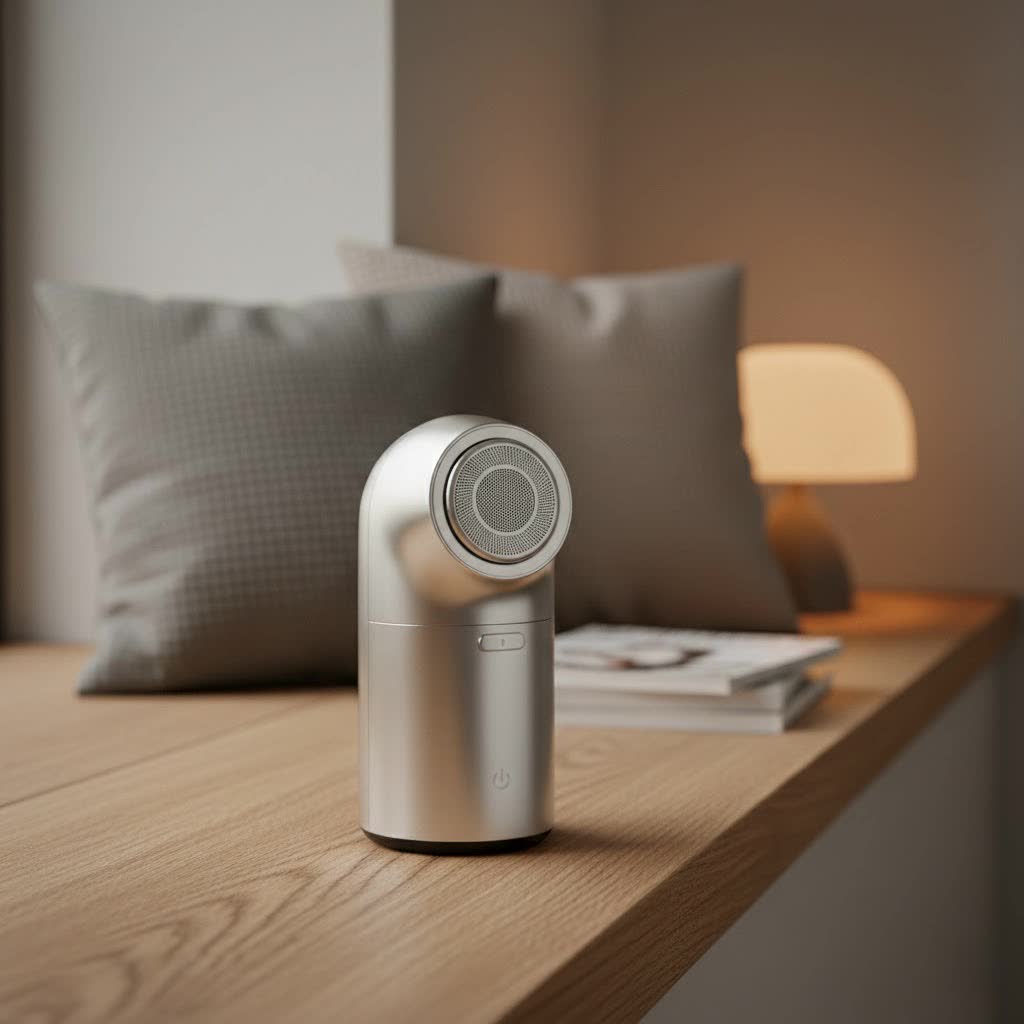
Few things are more frustrating than seeing your favorite sofa, beloved armchair, or cozy blanket begin to show signs of wear and tear, covered in unsightly pills, lint, and fuzz. This common issue, often caused by friction and daily use, can make even the newest furniture look tired and old before its time. But what if there was a simple, effective tool to bring your upholstered pieces back to life? Enter the Furniture Fabric Shaver – a game-changer for textile care that can restore your home furnishings to their former glory. This comprehensive guide will equip you with all the knowledge to understand, choose, and expertly use a fabric shaver, ensuring your furniture remains fresh, inviting, and durable for years to come.
What is a Fabric Shaver and Why Do You Need It for Your Furniture?
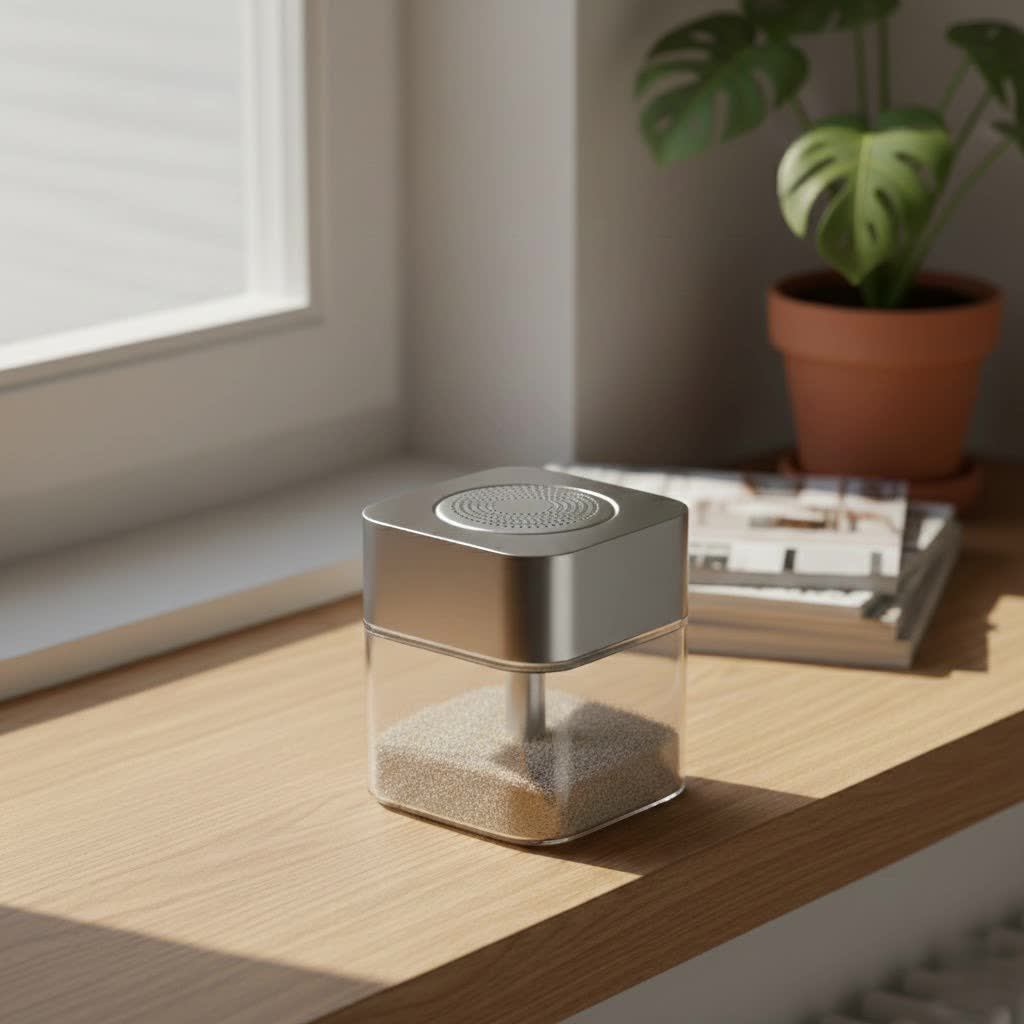
A fabric shaver, often called a lint shaver or de-fuzzer, is a handheld device designed to gently remove unsightly pills, bobbles, and lint from textiles. While commonly associated with clothing, these versatile tools are incredibly effective for maintaining the pristine appearance of your furniture and other home fabrics. They work by carefully shaving off the surface layer of tangled fibers without damaging the underlying material, revealing a smoother, newer-looking surface beneath.
Many types of furniture fabrics are prone to pilling, including upholstery on sofas and chairs, throws, blankets, cushions, and even curtains. Fabrics made from natural fibers like wool and cotton, as well as synthetic blends such as polyester and acrylic, are particularly susceptible to forming these small, fuzzy balls where friction is most common. Regular use of a furniture fabric shaver offers numerous benefits, from extending the lifespan of your cherished pieces and saving you money on costly replacements, to simply enhancing the overall aesthetic and comfort of your living space. It’s an indispensable tool for anyone dedicated to keeping their home looking its best.
Popular Types of Furniture Fabric Shavers
Understanding the different types of fabric shavers available is crucial for selecting the right tool for your furniture. Each type offers distinct advantages and is suited for specific applications and fabric characteristics.
Manual Fabric Shavers
Manual fabric shavers typically feature a comb-like design or specialized shaving heads without any electrical components. They require physical effort to glide across the fabric, gently lifting and cutting away pills and fuzz.
- Pros: Generally very gentle on delicate fabrics, no need for batteries or electricity, often compact and travel-friendly. They offer precise control, which can be beneficial for intricate areas or very sensitive materials.
- Cons: Requires more physical effort and time, especially for larger pieces of furniture, and may not be as effective on stubborn or dense pilling as electric models.
- Best for: Delicate upholstery, smaller furniture items, targeted pilling removal, or individuals who prefer a non-electric, controlled approach.
|
Our Picks for the Best Fabric Shaver in 2026
We may earn a commission when you use one of our links to make a purchase.
|
||
| Num | Product | Action |
|---|---|---|
| 1 | Fabric Shaver, Lint Remover Rechargeable, Electric Portable Sweater Defuzzer with 3 Speeds, 6 Leaf Blades, Digital LED Display to Remove Pilling for Clothes, Furniture, Sweater, Couch, Blanket |

|
| 2 | Ruidla Fabric Shaver Lint Shaver Defuzzer, Electric Lint Remover, Rechargeable Sweater Shaver with Replaceable Stainless Steel 3-Leaf Blades, Dual Protection, Removable Bin, (Micro-b Charging) |
|
| 3 | Conair Fabric Shaver and Lint Remover, Battery-Operated Portable Clothes Shaver with 3 Settings, Fuzz Remover for Sweaters, Clothing and Furniture, Large 2-Inch Shaving Head, White |
|
| 4 | POPCHOSE Fabric Shaver, Sweater Shavers to Remove Pilling, Lint Shaver with 6-Leaf Blades, Electric Lint Remover for Clothes, Couch, Furniture, Fuzz, Lint Ball, Pillings, USB Rechargeable |
|
| 5 | Fabric Shaver, Lint Remover Rechargeable, Electric Portable Sweater Defuzzer with 3 Speeds, 6 Leaf Blades, Digital LED Display to Remove Pilling for Clothes, Furniture, Sweater, Couch, Blanket |
|
| 6 | Ruidla Fabric Shaver Defuzzer, Electric Lint Remover, Rechargeable Sweater Shaver with Stainless Steel 3-Leaf Blades, Dual Protection, Removable Bin, Easy Remove Fuzz, Lint, Pills, Bobbles |
|
| 7 | DRFLASH 2-in-1 Fabric Shaver Rechargeable - 3 Speeds Lint Remover with Digital LED Display & Type-C Fast Charging Port, Electric Sweater Defuzzer for Clothes, Furniture, Couch, Blanket |
|
| 8 | Philips Fabric Shaver, Removes Fabric Pills, Suitable for All Garments, Large Blade Surface, Cleaning Brush, Includes Batteries, Blue (GC026/00) |
|
| 9 | Fabric Shaver, Ziitty Lint Remover for Clothes, Type-C Rechargeable Lint Shaver with LCD Display & 6-Blade, Sweater Shavers to Remove Pilling,Fuzz Remover Fabric Shaver for Clothing and Furniture |
|
| 10 | Fabric Shaver Electric Lint Remover Rechargeable Sweater Shaver Dual Protection Removable Bin Easy Remove Fuzz Lint Pills Bobbles FSER001 |
|
Electric Battery-Operated Fabric Shavers
These are arguably the most common type, powered by disposable AA batteries or rechargeable internal batteries. They feature rotating blades protected by a perforated guard, which trims pills as the device passes over the fabric.
- Pros: Highly portable and cordless, allowing for easy maneuverability across furniture without being tethered to an outlet. They offer a good balance of power and convenience, often featuring various speed settings.
- Cons: Requires regular battery replacement if not rechargeable, and battery life can impact performance over long periods of use. Some models may have smaller lint traps, necessitating frequent emptying.
- Best for: General everyday use on a variety of furniture fabrics, quick touch-ups, and users who prioritize cordless convenience.
Corded Electric Fabric Shavers
Corded models plug directly into a power outlet, providing a continuous and often more powerful operation. These are typically designed for more heavy-duty or prolonged use.
- Pros: Deliver consistent, strong power without concerns about battery depletion, making them ideal for large furniture pieces or extensive de-pilling tasks. Many come with larger shaving heads and lint traps, increasing efficiency.
- Cons: Their portability is limited by the length of the power cord and the proximity to an electrical outlet, which can be less convenient for large or awkwardly shaped furniture.
- Best for: Large-scale furniture rejuvenation projects, frequent use, or tackling very dense and stubborn pilling where sustained power is essential.
Comparison Table of Fabric Shaver Types
Choosing the right fabric shaver for your furniture involves weighing their key characteristics. This table offers a quick comparison to help you decide:
| Feature | Manual Shaver | Battery-Operated Electric | Corded Electric |
|---|---|---|---|
| Power Source | None | AA Batteries / Rechargeable Battery | AC Power Outlet |
| Portability | Highest (no power source needed) | High (cordless) | Lower (tethered to outlet) |
| Power/Speed | User-controlled, gentle | Moderate, often with adjustable settings | Strong, consistent, usually adjustable |
| Ideal Use | Delicate fabrics, small areas, targeted pilling | Versatile for various fabrics, everyday use | Large furniture, heavy pilling, frequent use |
| Lint Capacity | None (collect manually) / Small | Small to Medium | Medium to Large |
| Cost | Generally lower | Mid-range | Mid to higher range |
Your Ultimate Buying Guide for a Furniture Fabric Shaver
Selecting the perfect furniture fabric shaver involves more than just picking the first one you see. Consider these factors to ensure you make an informed decision that meets your specific needs and keeps your furniture looking impeccable.
Assess Your Needs
Before purchasing, consider how and where you’ll primarily use the shaver.
- Fabric Type: Do you have delicate velvet cushions or sturdy, heavily-pilled sofa upholstery? Some shavers are better suited for specific fabric types, offering adjustable settings or specialized heads.
- Usage Frequency: Will you be doing occasional touch-ups or tackling a full living room set regularly? For extensive or frequent use, a more powerful, larger capacity model might be necessary.
- Area Size: Large furniture pieces like sectional sofas will benefit from a shaver with a wider shaving head and a larger lint collector to cover more ground efficiently.
Budget Considerations
Fabric shavers range from budget-friendly options under $15 to premium models costing $50 or more. While higher prices often correlate with advanced features, durability, and better performance, there are excellent mid-range options that offer great value. Determine how much you’re willing to invest, keeping in mind that a good fabric shaver is an investment in the longevity and appearance of your furniture.
Essential Features to Look For
Focus on features that enhance performance, convenience, and safety, especially when dealing with furniture.
- Adjustable Settings/Guards: This is crucial for versatility. Different height settings or protective guards allow you to safely shave various fabric thicknesses and delicateness without causing damage.
- Large Shaving Head: A wider head covers more surface area with each pass, significantly speeding up the process when working on large furniture pieces like sofas and blankets.
- Generous Lint Collector: For furniture, which tends to accumulate more lint and pills than clothing, a large, easy-to-empty lint trap is invaluable. It reduces interruptions for emptying, making your task more efficient.
- Sharp, Durable, and Replaceable Blades: The effectiveness of any shaver hinges on its blades. Look for models with high-quality, sharp blades that can be easily replaced, extending the life of your device and ensuring consistent performance.
- Ergonomic Design: You’ll be holding the shaver for potentially extended periods while working on furniture. An ergonomic, comfortable grip reduces hand fatigue and makes the experience more pleasant.
- Power Source: Decide between battery-operated for cordless freedom (consider rechargeable batteries for environmental and cost savings) or corded for consistent power on large projects.
Reputable Brands
Many brands have established a good reputation in the fabric shaver market. Brands like Conair, Gleener, Beautural, Allisable, Philips, Magictec, and Steamery frequently appear in top reviews for their effectiveness and reliability. Researching these brands can guide you towards trusted products.
Read User Reviews
Before finalizing your purchase, always consult user reviews and expert testimonials. Pay particular attention to reviews from individuals who have used the shaver on furniture or similar large textile items. These real-world experiences can provide invaluable insights into a product’s true performance, durability, and any potential drawbacks.
How to Properly Use a Furniture Fabric Shaver
Using a fabric shaver effectively and safely on your furniture is key to achieving optimal results and preventing damage. Follow these steps for a smooth de-pilling process:
-
Preparation:
- Clean the Surface: Before you begin, lightly vacuum or brush the furniture surface to remove any loose debris, crumbs, or pet hair. This prevents them from getting caught in the shaver blades.
- Ensure Fabric is Taut: For best results, the fabric you are shaving should be as flat and taut as possible. For sofa cushions, remove them if possible and place them on a flat surface. For fixed upholstery, use your free hand to gently pull the fabric tight across the area you’re working on. Avoid stretching it excessively, as this can distort the fabric.
- Test in an Inconspicuous Area: Always test the fabric shaver on a small, hidden section of the furniture first (e.g., the back or underside of a cushion). This allows you to observe how the fabric reacts and to determine the most appropriate setting and pressure.
-
Usage Steps:
- Turn On and Select Setting: Turn on your fabric shaver. If it has adjustable settings, start with the lowest or most protective guard setting, especially for delicate upholstery. You can gradually increase the setting if needed, based on your test.
- Hold Firmly but Gently: Hold the shaver comfortably in your hand, applying light, even pressure. Let the blades do the work; there’s no need to press down hard, which can damage the fabric or the shaver.
- Glide in Small Motions: Move the shaver slowly and evenly across the pilled surface. You can use small circular motions or short, straight strokes, depending on what feels most effective for the fabric. Overlapping your passes slightly ensures thorough coverage.
- Work in Sections: Tackle one section of the furniture at a time. This allows you to monitor your progress and ensure you don’t miss any areas.
- Empty Lint Collector Regularly: Fabric shavers can fill up quickly, particularly when working on large pieces of furniture. Periodically turn off the shaver and empty the lint collector to maintain optimal suction and blade efficiency.
-
Safety Notes:
- Keep Blades Away from Skin: Always handle the shaver with care, ensuring the blades are away from your skin, especially when cleaning or emptying.
- Turn Off Before Handling: Always switch off the device before emptying the lint trap, cleaning the blades, or making any adjustments.
- Dry Fabric Only: Never use a fabric shaver on wet or damp fabric, as this can damage both the fabric and the shaver.
- Beware of Loose Threads: If you spot long, loose threads, snip them with scissors before using the shaver to prevent them from getting tangled in the blades and potentially tearing the fabric.
Maximizing Lifespan: Care and Maintenance Tips
Proper care and maintenance will significantly extend the life and effectiveness of your furniture fabric shaver, ensuring it remains a reliable tool for keeping your upholstery pristine.
- Clean After Each Use: This is perhaps the most important tip. After every session, turn off the shaver and empty the lint collector. Use the small cleaning brush (often included with the shaver) to remove any remaining fuzz and debris from around the blades and the protective guard. Accumulated lint can clog the motor, dull the blades, and reduce efficiency.
- Blade Care and Replacement: Fabric shaver blades, like any cutting tool, will eventually dull. Clean blades thoroughly to remove any residue that might affect their sharpness. If your shaver has replaceable blades, consider stocking up on spares and change them periodically according to the manufacturer’s recommendations or when you notice a drop in performance. Sharp blades are crucial for effective and safe de-pilling.
- Proper Storage: Store your fabric shaver in a dry, cool place away from direct sunlight or extreme temperatures. Many shavers come with a protective cap for the blade guard; always use this to prevent damage to the blades and to keep them clean when not in use. If it’s a battery-operated model that won’t be used for an extended period, remove the batteries to prevent leakage and corrosion.
- Handle with Care: Avoid dropping the shaver, especially on hard surfaces, as this can misalign or damage the internal components and blades.
By following these simple maintenance steps, your furniture fabric shaver will continue to breathe new life into your upholstery for years to come.
Conclusion
A furniture fabric shaver is an invaluable tool for anyone looking to maintain the beauty and longevity of their home textiles. By understanding the different types available, considering essential features, and following proper usage and maintenance guidelines, you can effortlessly transform tired, pilled upholstery into fresh, inviting surfaces. Investing in the right fabric shaver not only revitalizes your furniture’s appearance but also extends its life, proving to be a cost-effective solution for a well-kept home. Take the step to refresh your living space today – which piece of furniture will you rejuvenate first?
Frequently Asked Questions
Can a fabric shaver damage furniture fabric?
While fabric shavers are designed to be safe, improper use (e.g., applying too much pressure, stretching delicate fabrics too tightly, or using dull blades) can potentially damage furniture fabric. Always test on an inconspicuous area first and follow usage instructions carefully.
How often should I use a fabric shaver on my furniture?
The frequency depends on how quickly your furniture fabrics pill, which is influenced by usage and fabric type. For high-traffic items like a frequently used sofa, you might need to de-pill every few weeks or months. For less-used pieces, once or twice a year might suffice.
Are manual or electric fabric shavers better for furniture?
Both types have their advantages. Manual shavers are excellent for delicate fabrics and precise control, while electric shavers (especially corded models) are generally more efficient for larger furniture pieces and heavier pilling due to their consistent power and wider shaving heads. Your choice depends on the specific furniture, fabric type, and your preference for speed versus control.
Can I use a fabric shaver on all types of upholstery?
Most fabric shavers are safe for a wide range of upholstery, including cotton, wool, synthetic blends, and knits. However, extreme caution should be exercised on very delicate or loosely woven fabrics, as well as those with long piles or intricate textures. Always perform a patch test first.
What causes pilling on furniture?
Pilling occurs when fabric fibers break, loosen, and tangle together into small balls on the surface. This is primarily caused by friction from daily use, rubbing against clothing, or even pet activity. Certain fabric types, particularly those with looser weaves or blends of natural and synthetic fibers, are more prone to pilling.