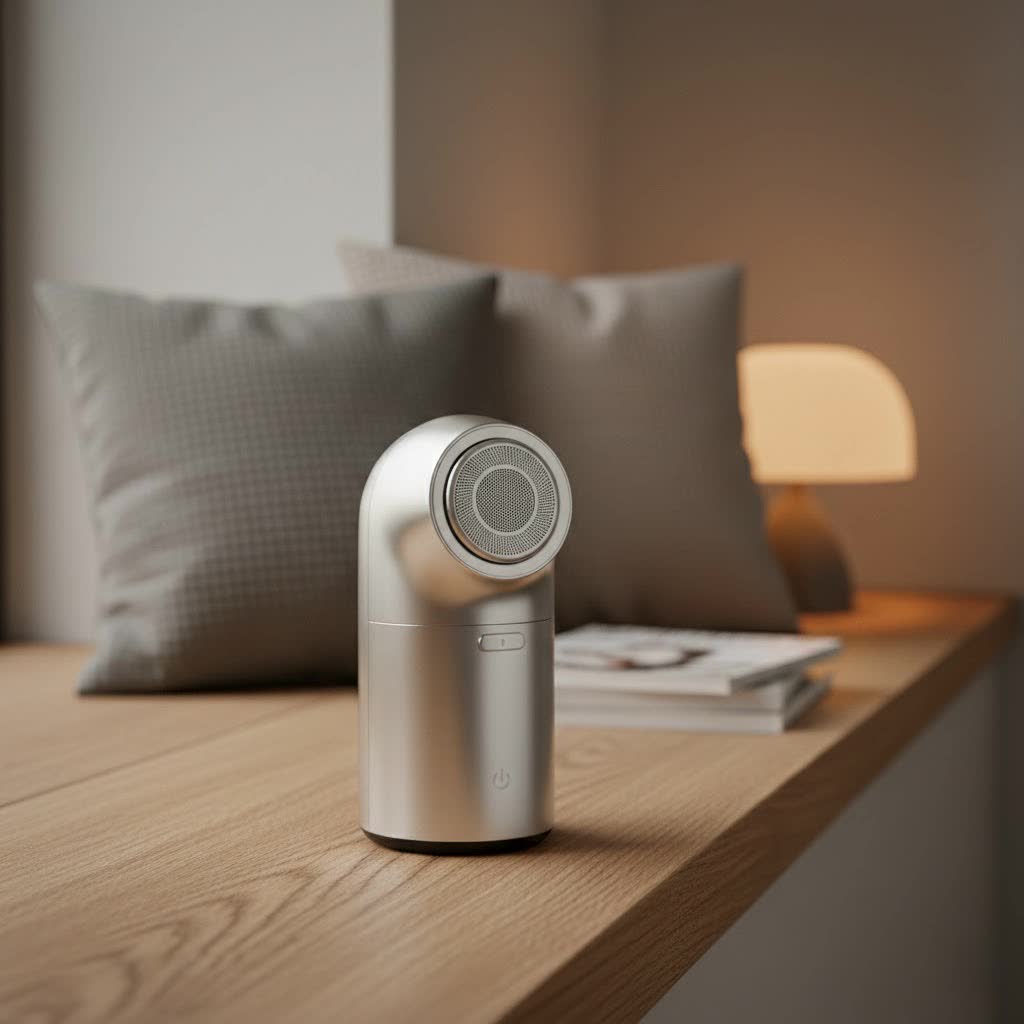
Are your favorite sweaters, blankets, or even upholstery showing signs of wear with unsightly pills and lint? It’s a common problem that can make even the newest items look old and tired. But what if there was a simple, effective solution to restore them to their former glory? Enter the Fabric Shaver Lint Remover – a small but mighty tool designed to banish fuzz and revitalize your textiles. This comprehensive guide will walk you through everything you need to know about these essential garment care devices, helping you choose and use the perfect one to keep your wardrobe and home furnishings pristine.
What is a Fabric Shaver and Why Do You Need One?
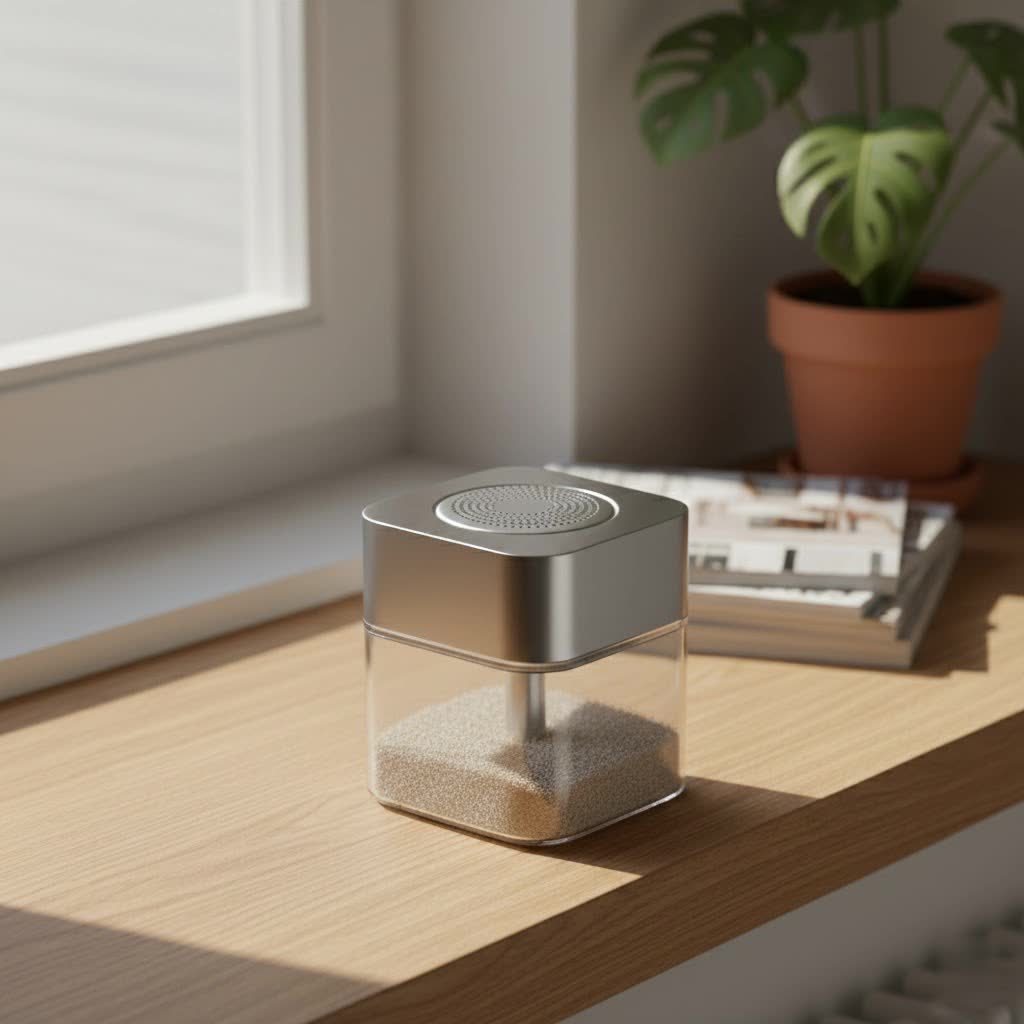
A fabric shaver, also commonly known as a lint remover, fuzz remover, or de-piller, is a handheld device specifically engineered to remove pills, lint, and fuzz from the surface of fabrics. These tiny balls of tangled fibers, often called “pills” or “bobbles,” form due to friction during wear or washing, making textiles look worn out and unkempt. By gently shaving off these unwanted particles, a fabric shaver restores the smooth, fresh appearance of your items.
Pilling commonly affects a wide array of fabrics, particularly those with looser weaves or blends. You’ll often find pills on cozy sweaters made of wool, cashmere, or acrylic, your favorite fleece blankets, cotton garments, leggings, and even upholstered furniture. The accumulation of lint and fuzz not only detracts from the aesthetic appeal but can also make fabrics feel rough. Using a fabric shaver offers significant benefits, primarily extending the lifespan of your clothing and home textiles, saving you money on replacements, and maintaining a polished, well-cared-for look. It’s a small investment that yields big results in preserving your beloved items.
Exploring the Types of Fabric Shavers
Fabric shavers come in various designs, each offering distinct advantages and disadvantages depending on your specific needs. Understanding these types is crucial for making an informed choice.
Handheld Battery-Operated Fabric Shavers
These are perhaps the most common and recognizable type of fabric shaver. They typically run on AA or AAA batteries and are characterized by their compact size and portability.
- Pros: Handheld battery-operated fabric shavers are incredibly convenient for quick touch-ups and ideal for travel due to their cordless design. They are generally easy to use and store.
- Cons: Their power output is often lower compared to electric models, meaning they might take longer to tackle heavy pilling. The need for frequent battery replacement can also be a recurring cost and inconvenience.
- Suitability: These shavers are best suited for light pilling on everyday clothing items, quick fixes before heading out, or for use while traveling. They can also be a good choice for more delicate fabrics where less aggressive shaving is preferred.
|
Our Picks for the Best Fabric Shaver in 2026
We may earn a commission when you use one of our links to make a purchase.
|
||
| Num | Product | Action |
|---|---|---|
| 1 | Conair Fabric Shaver and Lint Remover, Battery-Operated Portable Clothes Shaver with 3 Settings, Fuzz Remover for Sweaters, Clothing and Furniture, Large 2-Inch Shaving Head, White |

|
| 2 | Fabric Shaver, Lint Remover Rechargeable, Electric Portable Sweater Defuzzer with 3 Speeds, 6 Leaf Blades, Digital LED Display to Remove Pilling for Clothes, Furniture, Sweater, Couch, Blanket |
|
| 3 | Fabric Shaver, Lint Remover Rechargeable, Electric Portable Sweater Defuzzer with 3 Speeds, 6 Leaf Blades, Digital LED Display to Remove Pilling for Clothes, Furniture, Sweater, Couch, Blanket |
|
| 4 | Philips Fabric Shaver, Removes Fabric Pills, Suitable for All Garments, Large Blade Surface, Cleaning Brush, Includes Batteries, Blue (GC026/00) |
|
| 5 | DRFLASH 2-in-1 Fabric Shaver Rechargeable - 3 Speeds Lint Remover with Digital LED Display & Type-C Fast Charging Port, Electric Sweater Defuzzer for Clothes, Furniture, Couch, Blanket |
|
| 6 | POPCHOSE Fabric Shaver, Sweater Shavers to Remove Pilling, Lint Shaver with 6-Leaf Blades, Electric Lint Remover for Clothes, Couch, Furniture, Fuzz, Lint Ball, Pillings, USB Rechargeable |
|
| 7 | Ruidla Fabric Shaver Defuzzer, Electric Lint Remover, Rechargeable Sweater Shaver with Stainless Steel 3-Leaf Blades, Dual Protection, Removable Bin, Easy Remove Fuzz, Lint, Pills, Bobbles |
|
| 8 | Ruidla Fabric Shaver Lint Shaver Defuzzer, Electric Lint Remover, Rechargeable Sweater Shaver with Replaceable Stainless Steel 3-Leaf Blades, Dual Protection, Removable Bin, (Micro-b Charging) |
|
| 9 | Fabric Shaver, Ziitty Lint Remover for Clothes, Type-C Rechargeable Lint Shaver with LCD Display & 6-Blade, Sweater Shavers to Remove Pilling,Fuzz Remover Fabric Shaver for Clothing and Furniture |
|
| 10 | Fabric Shaver Electric Lint Remover Rechargeable Sweater Shaver Dual Protection Removable Bin Easy Remove Fuzz Lint Pills Bobbles FSER001 |
|
Electric (Corded/Rechargeable) Fabric Shavers
Electric fabric shavers either plug directly into a power outlet (corded) or feature a rechargeable battery, often via a USB cable. These models tend to offer more consistent and powerful performance.
- Pros: Electric fabric shavers provide stronger, more sustained power, making them highly efficient for extensive pilling or larger items like blankets and upholstery. Corded models offer uninterrupted use, while rechargeable versions provide cordless convenience without the need for disposable batteries. Some rechargeable models can even be used while charging.
- Cons: Corded models are less portable as they require proximity to an outlet, and the cord can sometimes be cumbersome. Rechargeable models need to be charged, and battery life can vary, with some cheaper models having run times as short as 15 minutes.
- Suitability: If you regularly deal with significant pilling, have many items to de-fuzz, or plan to use the shaver on larger surfaces like sofas or curtains, an electric (especially rechargeable with good battery life) model is an excellent choice.
Manual Fabric Shavers
While “fabric shaver” typically refers to electric devices with rotating blades, manual options like sweater combs or specialized lint brushes also exist for de-pilling.
- Pros: Manual fabric shavers require no power, making them eco-friendly and perfectly silent. They offer precise control, which can be beneficial for extremely delicate fabrics like silk or cashmere, reducing the risk of accidental damage. Many are very compact and travel-friendly.
- Cons: They demand more physical effort and are considerably slower than electric versions. Some manual combs might pull fibers rather than cleanly cutting them, potentially exacerbating future pilling if not used correctly.
- Suitability: Best for very delicate items, small areas, or for those who prefer a completely non-electric solution. They are also a good backup for travel or emergencies.
Comparing Fabric Shaver Types
Choosing the right fabric shaver depends on balancing power, convenience, and the types of fabrics you intend to treat. Here’s a brief comparison to help you weigh your options:
| Feature | Handheld Battery-Operated | Electric (Corded/Rechargeable) | Manual (Sweater Comb/Brush) |
|---|---|---|---|
| Power Source | Disposable batteries | AC power cord or Rechargeable | No power required |
| Power/Speed | Moderate, can decrease with battery | High, consistent | Varies by user effort |
| Portability | High (cordless, often compact) | Moderate (corded) to High (rechargeable) | Very High (no power source) |
| Ease of Use | Simple, straightforward | Simple, powerful | Requires more technique/effort |
| Ideal Use | Quick touch-ups, travel, light pilling | Heavy pilling, large items, frequent use | Delicate fabrics, small areas, travel |
| Pros | Portable, affordable | Powerful, efficient, consistent | Gentle, silent, precise, eco-friendly |
| Cons | Battery changes, lower power | Cord restriction (corded), charging time (rechargeable) | Slower, requires more effort, less effective on heavy pilling |
How to Choose the Right Fabric Shaver for Your Needs (Buying Guide)
Selecting the best fabric shaver for your home requires considering several factors. A smart purchase will ensure your items remain looking their best without causing damage.
Assess Your Usage Needs
Before you buy, think about what you’ll primarily be using the fabric shaver for. Do you need it for delicate cashmere sweaters, sturdy wool blankets, everyday cotton shirts, or even larger items like upholstery? Some shavers are versatile enough for almost all fabrics, while others are specialized. Consider how frequently you’ll use it – occasional touch-ups might suit a basic model, while regular, heavy-duty tasks call for something more robust.
Set Your Budget
Fabric shavers range widely in price, from under $10 for basic battery-operated models to $60+ for premium rechargeable devices with advanced features. Determine how much you’re willing to spend. Remember that a slightly higher investment can often lead to greater durability, efficiency, and a broader range of features, ultimately offering better long-term value.
Key Features to Look For
The effectiveness and convenience of a fabric shaver often lie in its features:
- Adjustable Blade Height/Settings: This is crucial for versatility. Many electric and battery-operated shavers offer multiple settings that adjust how close the blades get to the fabric. “For more delicate fabrics, like cashmere, you’ll want a different setting than for a chunky wool knit,” says Grace Thomas, founder and lead stylist of Builtgracefully. “Too close or fast and you could cause a hole in the material. Too far or slow and you might not get to the root of the pill of the fabric.”
- Large Lint Collection Bin: A larger bin means less frequent emptying, which is a significant convenience, especially when tackling bigger projects. Look for bins that are easy to detach and clean.
- Sharp, Durable Blades & Replacement Blades: The quality of the blades directly impacts performance. Sharp blades ensure efficient pilling removal without snagging. Some models come with extra blades or readily available replacements, extending the shaver’s usable life.
- Ergonomic Design & Comfortable Grip: For extended use, a shaver that fits comfortably in your hand and is easy to maneuver will make the task less strenuous and more enjoyable.
- Power Source: Decide between battery-operated for ultimate portability, rechargeable for a balance of power and cordless convenience (many now offer USB charging), or corded for consistent, powerful performance on larger tasks.
- Shaving Head Size: A larger shaving head can cover more surface area faster, which is beneficial for blankets or furniture. Smaller heads offer more precision for intricate areas or delicate garments.
Reputable Brands & User Reviews
Research brands known for quality fabric care products. Reading user reviews can provide invaluable insights into a shaver’s real-world performance, durability, and any potential quirks. Look for consistent positive feedback regarding effectiveness on various fabrics and ease of maintenance.
A Step-by-Step Guide to Using Your Fabric Shaver Effectively
Using a fabric shaver correctly ensures optimal results and prevents damage to your cherished items. Follow these steps for best practices:
- Preparation is Key: Always lay your garment or textile on a clean, flat, and firm surface, such as an ironing board or table. This stability prevents the fabric from bunching or getting caught in the blades. For delicate fabrics, gently pull the material taut to create a smooth, even surface. This helps the shaver glide more effectively and reduces the risk of snags.
- Power Up and Select Settings: If you’re using an electric or battery-operated shaver, turn it on. If your model has adjustable settings, select the appropriate blade height or speed for your fabric type. Start with a medium setting for general use, or a higher blade height for delicate items, and adjust as needed.
- Gentle, Circular Motions: Glide the fabric shaver gently over the pilled areas. Use light, circular motions, allowing the blades to do the work. Avoid pressing down too hard, as excessive pressure can damage the fabric or dull the blades. Gradually increase pressure only if necessary for stubborn pills.
- Target Pilling Hotspots: Pay close attention to areas where friction commonly occurs, such as under the arms of sweaters, along side seams, around cuffs, collars, and where bags or straps rub. Rotate and adjust the item as you work to ensure you treat all sides and edges.
- Monitor the Lint Bin: Keep an eye on the collection bin. It can fill up quickly, especially on heavily pilled items. A full bin can reduce the shaver’s effectiveness and may cause lint to get trapped in the cutting area. Pause occasionally to empty it, ensuring consistent performance.
- Safety First: Grace Thomas emphasizes that preventing damage is “all in how you handle it.” Always ensure your item is laying flat and don’t push too hard with the shaver. If you notice any loose threads, carefully trim them before shaving to prevent them from getting tangled in the blades. After you’ve finished, turn off the shaver before cleaning or storing it.
Extend the Life of Your Fabric Shaver: Maintenance Tips
Proper maintenance is vital for the longevity and optimal performance of your fabric shaver. A well-cared-for tool will consistently deliver excellent results.
- Regular Cleaning After Each Use: The most crucial maintenance step is to empty the lint collection bin after every use. This prevents blockages and keeps the motor running smoothly. Many shavers come with a small cleaning brush; use it to dislodge any trapped lint or fuzz from around the blades and the protective mesh. For some models, you might need to unscrew the top ring to access and clean the razor blades more thoroughly. Remember to be cautious as the blades are sharp.
- Replace Dull Blades Periodically: Just like a razor, fabric shaver blades will eventually become dull with use. “Always use tools with sharp blades,” advises Krissia Garcia, founder of cleaning service Kriss Klean. “Dull blades can snag and pull the fabric, creating even bigger problems than pills.” Check your shaver’s manual for recommendations on blade replacement. Replacing dull blades ensures efficient, safe pilling removal.
- Proper Storage: Store your fabric shaver in a dry, cool place away from dust and moisture. If it’s a battery-operated model that you won’t use for an extended period, it’s wise to remove the batteries to prevent leakage. For models with adjustable settings or interchangeable heads, ensure all parts are securely stored to avoid loss or damage.
- Charge Fully (for Rechargeable Models): If you own a rechargeable fabric shaver, make sure it’s fully charged before each significant use to ensure consistent power and prevent it from dying mid-task. Some models can be used while charging, offering additional flexibility.
By following these simple maintenance tips, your fabric shaver will remain a reliable tool for years, keeping your textiles looking fresh and extending their life.
Conclusion
A fabric shaver lint remover is a truly indispensable tool for anyone who cherishes their clothing and home textiles. It’s a small investment that offers remarkable power to transform your pilled, fuzzy items back to their nearly new condition. By understanding the different types available, carefully considering your needs, and adopting proper usage and maintenance habits, you can effortlessly keep your wardrobe looking sharp and extend the life of your favorite pieces. Why let lint and pilling diminish the appeal of your fabrics when a simple solution is at your fingertips?
Frequently Asked Questions
Can fabric shavers damage clothes?
Fabric shavers are generally safe when used correctly. The risk of damage, such as snagging or creating holes, increases with excessive pressure, using dull blades, or treating very delicate fabrics without the appropriate setting or caution. Always lay fabric flat and start with light pressure.
What causes fabric pilling?
Fabric pilling occurs when fibers on the surface of a textile break and tangle together, forming small balls or “pills.” This is primarily caused by friction during wear, washing, or even rubbing against other surfaces. Looser weave fabrics and synthetic blends tend to pill more easily.
How often should I use a fabric shaver?
The frequency depends on how quickly your garments pill and your desired level of freshness. For heavily worn items, you might use it monthly, while other items may only need a touch-up a few times a year. Regular, gentle use can help maintain textiles without over-shaving.
What’s the difference between a fabric shaver and a lint roller?
A fabric shaver uses rotating blades to cut away pills and fuzz, offering a more permanent solution for fabric restoration. A lint roller, on the other hand, uses an adhesive surface to pick up loose lint, hair, and dust, serving as a quick surface clean rather than addressing embedded pilling.
Can I use a fabric shaver on upholstery?
Yes, many fabric shavers are suitable for upholstery, cushions, and throw blankets. For larger furniture pieces, consider an electric or rechargeable model with a larger shaving head for efficiency. Always test on an inconspicuous area first, especially for delicate upholstery.