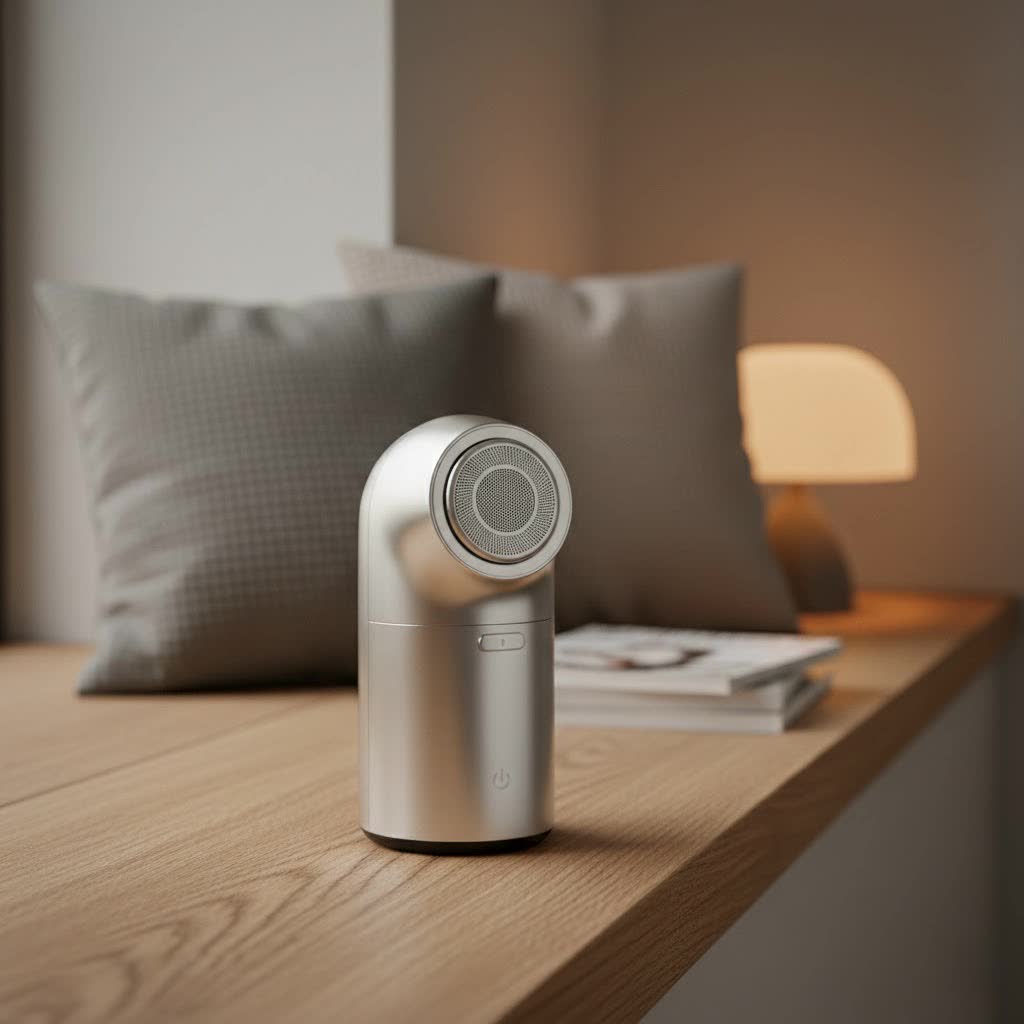
Do you look at your favorite sweater and see not warmth and style, but an unfortunate landscape of unsightly pills and fuzz? It’s a common dilemma. Over time, friction causes fabric fibers to break and tangle, creating those annoying little balls that make garments look old and worn, long before their time. The good news? There’s a simple, effective solution that can bring your beloved textiles back to life: the fabric shaver. This powerful yet gentle tool is a game-changer for maintaining the fresh, new look of your clothes and home furnishings.
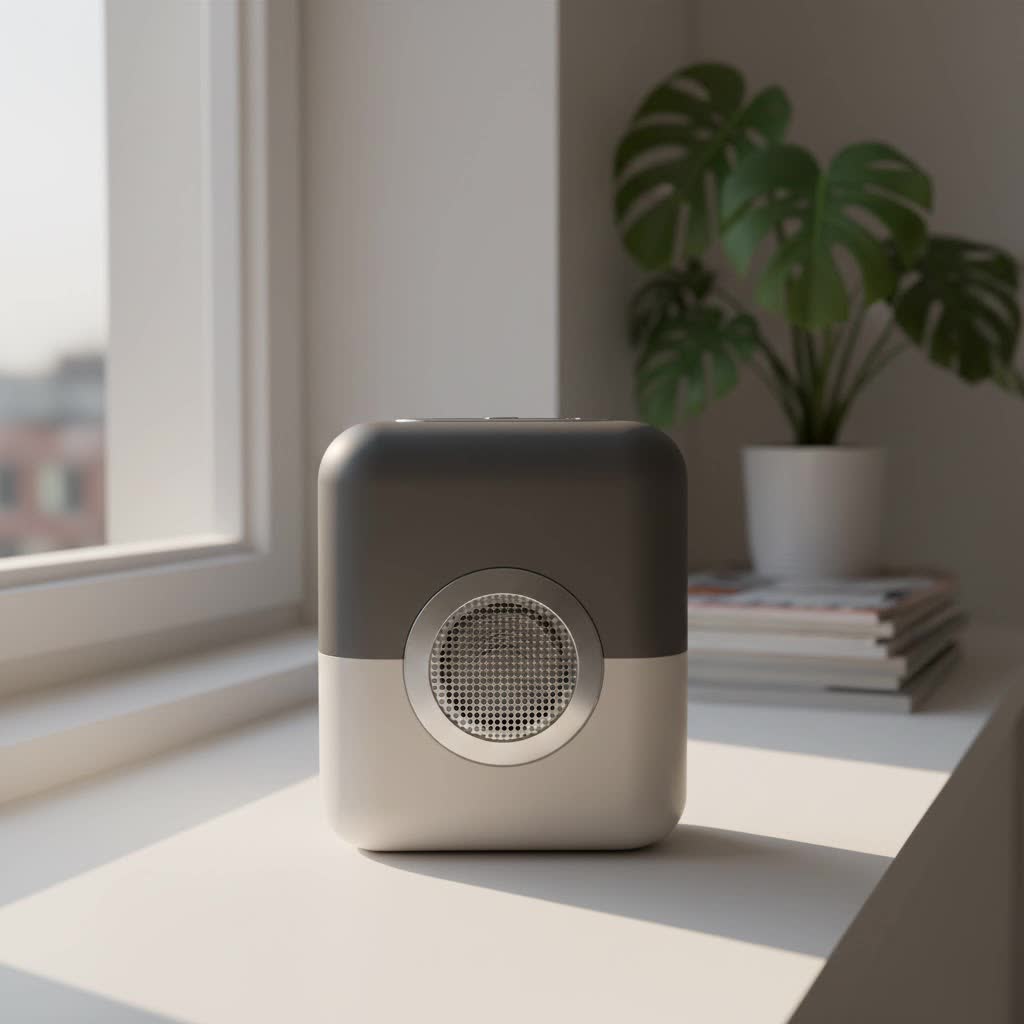
What is a Fabric Shaver and Why Do You Need One?
A fabric shaver, also known as a lint shaver or fuzz remover, is a handheld device designed to safely and efficiently remove pills, fuzz, and lint from various fabrics. It features a rotating blade hidden beneath a protective guard, which gently shaves off the loose fibers without damaging the underlying material. Think of it as giving your clothes a fresh, clean shave!
Pilling is a common issue for many fabrics due to wear and tear, washing, and friction. You’ll often find pills on wool, cotton, fleece, cashmere, and various synthetic blends. Items like sweaters, hoodies, blankets, upholstery, and even curtains are prone to developing these bothersome bobbles.
The benefits of using a fabric shaver are numerous. Beyond simply improving the appearance of your garments, it significantly extends their lifespan. By removing pilling, you prevent further fiber degradation and restore the original smooth texture, saving you money on replacing items prematurely. It’s a small investment that yields big returns in wardrobe longevity and textile freshness.
Types of Fabric Shavers on the Market
The market offers a variety of fabric shavers, each with distinct features to suit different needs and preferences. Understanding these types will help you make an informed decision.
Battery-Powered Handheld Fabric Shavers
These are perhaps the most common type, known for their portability and ease of use.
- Pros: Small, lightweight, and cordless, making them ideal for quick touch-ups at home or on the go. Many use standard AA batteries, while others come with rechargeable internal batteries, offering convenience without being tied to an outlet.
- Cons: Power output might be lower than corded models, and disposable batteries need frequent replacement (if not rechargeable). Battery life can be a limiting factor for larger projects.
- Best for: Everyday clothing maintenance, travel, and smaller items like scarves or delicate knits.
|
Our Picks for the Best Fabric Shaver in 2026
We may earn a commission when you use one of our links to make a purchase.
|
||
| Num | Product | Action |
|---|---|---|
| 1 | Ruidla Fabric Shaver Lint Shaver Defuzzer, Electric Lint Remover, Rechargeable Sweater Shaver with Replaceable Stainless Steel 3-Leaf Blades, Dual Protection, Removable Bin, (Micro-b Charging) |

|
| 2 | Fabric Shaver, Lint Remover Rechargeable, Electric Portable Sweater Defuzzer with 3 Speeds, 6 Leaf Blades, Digital LED Display to Remove Pilling for Clothes, Furniture, Sweater, Couch, Blanket |
|
| 3 | POPCHOSE Fabric Shaver, Sweater Shavers to Remove Pilling, Lint Shaver with 6-Leaf Blades, Electric Lint Remover for Clothes, Couch, Furniture, Fuzz, Lint Ball, Pillings, USB Rechargeable |
|
| 4 | Conair Fabric Shaver and Lint Remover, Battery-Operated Portable Clothes Shaver with 3 Settings, Fuzz Remover for Sweaters, Clothing and Furniture, Large 2-Inch Shaving Head, White |
|
| 5 | DRFLASH 2-in-1 Fabric Shaver Rechargeable - 3 Speeds Lint Remover with Digital LED Display & Type-C Fast Charging Port, Electric Sweater Defuzzer for Clothes, Furniture, Couch, Blanket |
|
| 6 | Fabric Shaver, Lint Remover Rechargeable, Electric Portable Sweater Defuzzer with 3 Speeds, 6 Leaf Blades, Digital LED Display to Remove Pilling for Clothes, Furniture, Sweater, Couch, Blanket |
|
| 7 | Fabric Shaver Electric Lint Remover Rechargeable Sweater Shaver Dual Protection Removable Bin Easy Remove Fuzz Lint Pills Bobbles FSER001 |
|
| 8 | Ruidla Fabric Shaver Defuzzer, Electric Lint Remover, Rechargeable Sweater Shaver with Stainless Steel 3-Leaf Blades, Dual Protection, Removable Bin, Easy Remove Fuzz, Lint, Pills, Bobbles |
|
| 9 | Philips Fabric Shaver, Removes Fabric Pills, Suitable for All Garments, Large Blade Surface, Cleaning Brush, Includes Batteries, Blue (GC026/00) |
|
| 10 | Fabric Shaver, Ziitty Lint Remover for Clothes, Type-C Rechargeable Lint Shaver with LCD Display & 6-Blade, Sweater Shavers to Remove Pilling,Fuzz Remover Fabric Shaver for Clothing and Furniture |
|
Corded Electric Fabric Shavers
For those with larger depilling tasks, corded models offer consistent power and performance.
- Pros: Generally more powerful and efficient, capable of tackling extensive pilling on larger surfaces without losing suction or speed. You don’t have to worry about battery life.
- Cons: Requires access to an electrical outlet, limiting mobility. The cord can sometimes be cumbersome.
- Best for: Heavy-duty use, refreshing upholstery, blankets, or processing a large number of garments in one sitting.
Fabric Shavers with Adjustable Speed/Height Settings
Some advanced fabric shavers offer customizable settings, providing greater versatility.
- Pros: These models allow you to adjust the blade height or motor speed, making them suitable for a wider range of fabrics, from delicate silks and cashmere to thick wools and synthetics. This reduces the risk of damaging sensitive materials.
- Cons: Often come at a higher price point due to the added features.
- Best for: Individuals with diverse wardrobes containing various fabric types that require different levels of care.
Comparing Fabric Shavers: A Quick Guide
To help you visualize the differences, here’s a comparison table of common fabric shaver types:
| Feature | Battery-Powered Handheld | Corded Electric | Adjustable Settings |
|---|---|---|---|
| Price | Low to Mid-range | Mid-range | Mid to High-range |
| Power | Moderate | Strong | Moderate to Strong (variable) |
| Features | Compact, portable | Consistent power | Multi-fabric compatibility |
| Portability | High (cordless, often small) | Low (requires outlet) | High (if battery-powered) |
| Durability | Varies by brand/build quality | Generally robust | Often high-quality build |
| Best Use | Quick touch-ups, travel | Large items, frequent use | Diverse fabric types |
How to Choose the Right Fabric Shaver (Buying Guide)
Selecting the perfect fabric shaver involves considering your specific needs and priorities. Here’s a comprehensive buying guide to lead you through the process:
Assess Your Needs
Before anything else, consider what you’ll be using the fabric shaver for.
- Fabric Types: Do you mostly need it for delicate cashmere sweaters, sturdy wool coats, or everyday cotton t-shirts? Some shavers excel with specific textures.
- Frequency of Use: Will you use it occasionally for a few items, or regularly to maintain a large wardrobe and home textiles? Frequent use might warrant a more powerful, durable model.
- Portability: If you travel often or need a shaver for quick fixes away from home, a compact, battery-powered model is essential.
Set Your Budget
Fabric shavers range in price, from budget-friendly options around $10-20 to more premium models exceeding $60. Determine how much you’re willing to spend, keeping in mind that a slightly higher investment can often translate to better performance and longevity.
Essential Features
Look for features that enhance usability and effectiveness:
- Adjustable Settings: As discussed, adjustable blade height or speed is crucial for safely treating different fabric types.
- Large Lint Bin: A spacious, easily detachable lint collector minimizes interruptions for emptying, especially for larger jobs.
- Replaceable Blades: Shavers with replaceable blades ensure consistent performance over time, as blades can dull.
- Ergonomic Design: A comfortable grip makes the device easier to handle during extended use.
- Safety Guards: Protective caps or guards around the blades prevent accidental cuts when the shaver isn’t in use.
Reputable Brands
While many brands produce fabric shavers, some have earned a reputation for quality and reliability. Brands like Conair, Gleener, Philips, Beautural, and Homeasy are frequently mentioned in “best-of” lists and user reviews.
“A quality fabric shaver is a small investment that pays dividends in garment longevity and appearance.” – ReviewGazoo.com Admin, Fabric Shaver Expert
Read User Reviews
Always check reviews from other users. Real-world feedback can provide invaluable insights into a shaver’s performance on various fabrics, its durability, ease of cleaning, and any potential drawbacks not highlighted by the manufacturer. Pay attention to comments regarding battery life, motor strength, and how effectively it removes pills without snagging.
How to Use Your Fabric Shaver Effectively
Using a fabric shaver correctly is key to achieving optimal results and preventing damage to your textiles.
- Preparation is Key: Always lay your garment or textile flat on a firm, even surface. This creates a taut, stable area for the shaver to work on and prevents the fabric from bunching up or getting snagged.
- Hold Taut: With one hand, gently hold the fabric taut and smooth. Be careful not to stretch it excessively, as this could distort the weave.
- Start Gently: Turn on the fabric shaver and begin by gliding it gently over the pilled areas in small, circular motions. For very delicate fabrics, start with the lightest pressure and, if available, the highest blade height setting.
- Increase Pressure Gradually: If the pilling is stubborn or the fabric is thick, you can gradually increase the pressure as needed. Test a small, inconspicuous area first to ensure the shaver doesn’t harm the material.
- Monitor the Lint Bin: Keep an eye on the lint collector. When the motor sounds like it’s slowing down, or you see it’s getting full, pause and empty it. An overfilled bin can impede performance and cause lint to get stuck.
- Cover All Areas: Pilling often occurs where there’s friction, such as under the arms, along side seams, or where bags rub against clothing. Rotate and adjust the item to ensure all affected areas are treated for a uniform finish.
Always exercise caution, especially when working on delicate items. Avoid pressing too hard or lingering in one spot for too long.
Fabric Shaver Care and Maintenance Tips
Proper maintenance will ensure your fabric shaver remains effective and lasts for years.
- Clean After Every Use: Make it a habit to empty the lint collector after each session. Accumulated lint can clog the blades and motor, reducing efficiency and potentially causing damage.
- Blade Cleaning: Periodically, unscrew the protective cap and carefully remove the blades. Use the small brush often included with the shaver to gently clean around the blades, the blade net, and the motor shaft. Be extremely cautious as the blades are sharp.
- Blade Replacement: While not a daily task, blades can dull over time. If you notice your shaver isn’t as effective as it once was, consider replacing the blades if your model supports it.
- Proper Storage: Store your fabric shaver in a dry, cool place. Ensure all parts are securely reassembled after cleaning. Some shavers come with a protective cover or storage bag, which is ideal for keeping it safe and dust-free.
Conclusion
A fabric shaver is an indispensable tool for anyone looking to maintain their wardrobe and home textiles. By effortlessly removing unsightly pills and fuzz, it restores garments to their former glory, prolongs their lifespan, and ultimately saves you money. With various types available – from portable battery-powered models to powerful corded units with adjustable settings – there’s a perfect fabric shaver to meet every need and budget. By choosing wisely and following simple usage and maintenance guidelines, you can ensure your clothes and fabrics always look their best.
Ready to give your favorite items a new lease on life? Which type of fabric shaver do you think would be the most valuable addition to your home?
Frequently Asked Questions
Can I use a fabric shaver on all types of fabrics?
Most fabric shavers are safe for a wide range of materials, including wool, cotton, fleece, cashmere, and synthetics. However, it’s always advisable to test the shaver on a small, inconspicuous area first, especially for very delicate or expensive fabrics. Avoid using it on overly coarse surfaces like heavy rugs, which may exceed the device’s intended use.
How often should I clean my fabric shaver?
It is recommended to clean your fabric shaver after every use. Emptying the lint collector and brushing away any trapped fuzz will prevent clogging, maintain optimal performance, and extend the life of the device.
Is a fabric shaver better than using a razor blade for pilling?
Yes, a dedicated fabric shaver is generally much safer and more effective than a disposable razor blade for removing pilling. Fabric shavers are designed with protective guards to prevent accidental cuts or damage to the fabric, whereas a razor blade can thin out fabric quickly and potentially ruin a garment.