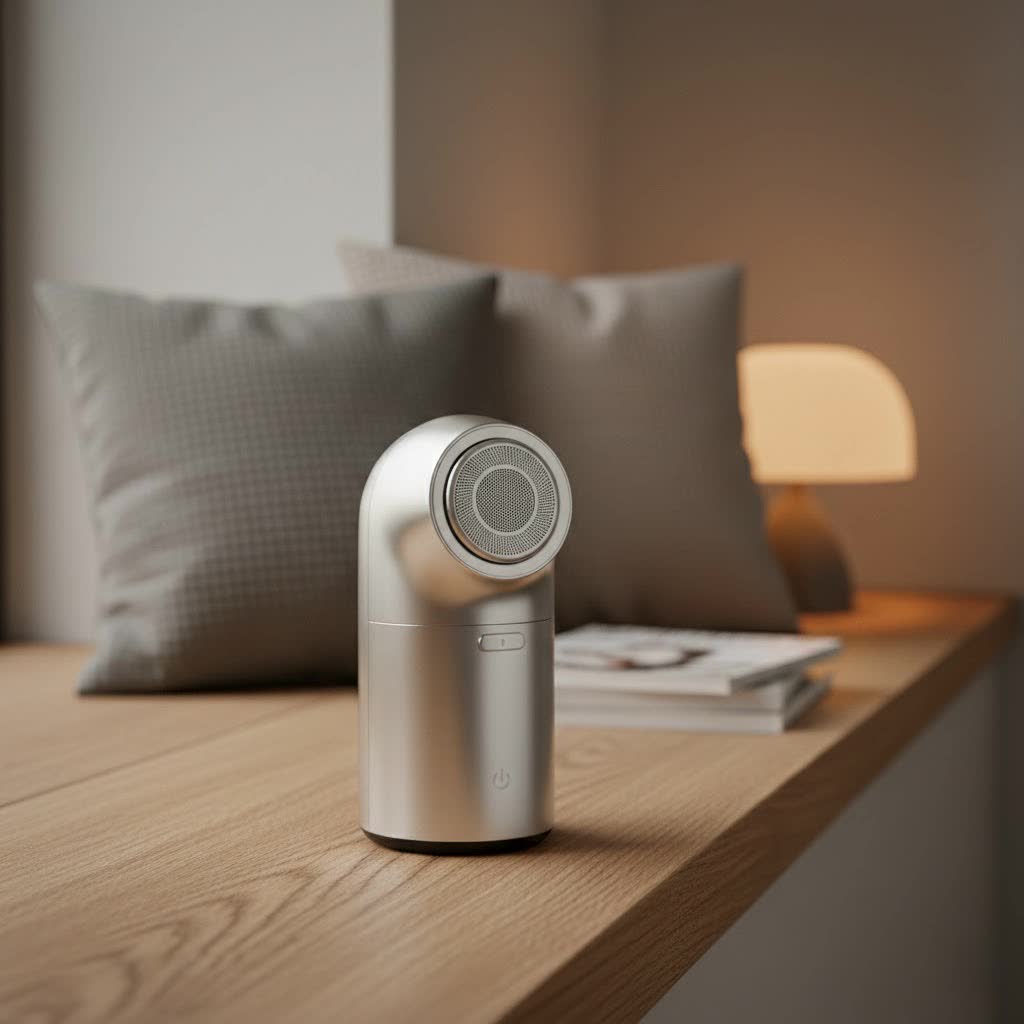
Are unsightly fuzz balls and pills making your favorite clothes look old and worn out? It’s a common textile woe, turning cherished sweaters and upholstery into faded reminders of their former glory. But what if there was a simple, effective tool to magically restore them to their pristine condition? Enter the fabric shaver – a compact yet powerful device designed to meticulously remove those pesky pills, rejuvenating your textiles and extending their lifespan without a trip to the tailor or a costly replacement.
What is a Fabric Shaver and Why Do You Need One?
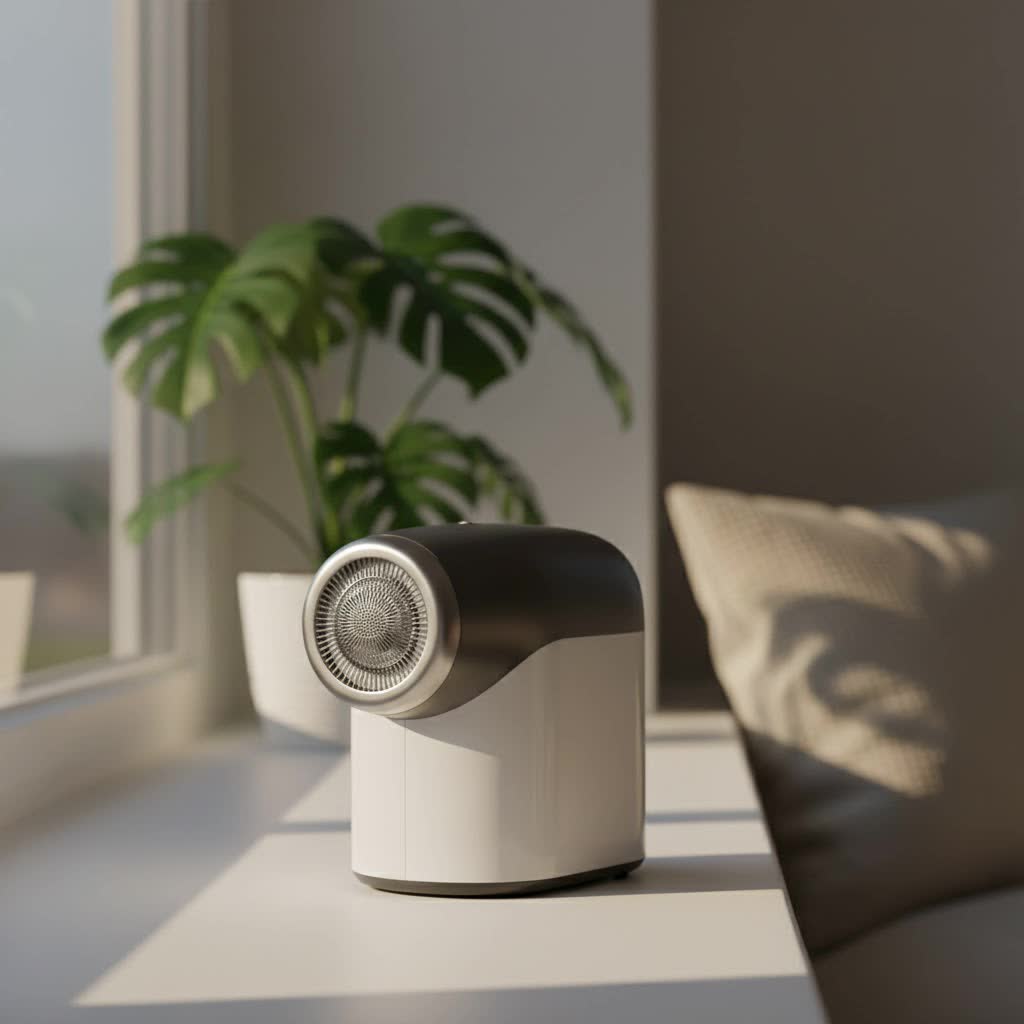
A fabric shaver, also known as a lint remover or defuzzer, is a handheld device specifically engineered to remove fuzz, lint, and pilling from fabrics. Pilling occurs when short, broken fibers on the surface of a fabric tangle together, forming small balls or “pills,” often in areas of high friction like underarms, cuffs, and seat areas. These pills make garments look aged, tired, and unkempt, diminishing their appeal long before the fabric itself is worn out.
Common fabrics prone to pilling include wool, fleece, cotton blends, synthetics, and even delicate cashmere. By gently shaving off these external imperfections, a fabric shaver significantly improves the appearance of your clothing, blankets, upholstery, and more, making them look newer and feel smoother. This not only enhances your wardrobe but also offers a cost-effective solution to prolong the life of your textiles, reducing the need for frequent replacements and contributing to a more sustainable lifestyle.
Popular Types of Fabric Shavers on the Market
Fabric shavers come in various designs, each offering distinct advantages based on your needs and usage frequency. Understanding the different types can help you choose the best tool for your textile care routine.
Battery-Operated Handheld Fabric Shavers
These are perhaps the most common and accessible type of fabric shaver. They are typically compact, lightweight, and powered by AA or AAA batteries, making them incredibly convenient for everyday use and travel.
- Pros: Highly portable, easy to maneuver, generally affordable, and readily available. They are ideal for quick touch-ups and small items.
- Cons: Power output can be lower compared to corded models, requiring more passes for stubborn pills. Batteries need frequent replacement, which can add to ongoing costs and environmental impact, though rechargeable battery options exist.
- Best for: Casual users, travelers, students, or anyone needing a convenient tool for occasional use on various garment types.
|
Our Picks for the Best Fabric Shaver in 2026
We may earn a commission when you use one of our links to make a purchase.
|
||
| Num | Product | Action |
|---|---|---|
| 1 | DRFLASH 2-in-1 Fabric Shaver Rechargeable - 3 Speeds Lint Remover with Digital LED Display & Type-C Fast Charging Port, Electric Sweater Defuzzer for Clothes, Furniture, Couch, Blanket |

|
| 2 | Conair Fabric Shaver and Lint Remover, Battery-Operated Portable Clothes Shaver with 3 Settings, Fuzz Remover for Sweaters, Clothing and Furniture, Large 2-Inch Shaving Head, White |
|
| 3 | Fabric Shaver Electric Lint Remover Rechargeable Sweater Shaver Dual Protection Removable Bin Easy Remove Fuzz Lint Pills Bobbles FSER001 |
|
| 4 | Ruidla Fabric Shaver Defuzzer, Electric Lint Remover, Rechargeable Sweater Shaver with Stainless Steel 3-Leaf Blades, Dual Protection, Removable Bin, Easy Remove Fuzz, Lint, Pills, Bobbles |
|
| 5 | Ruidla Fabric Shaver Lint Shaver Defuzzer, Electric Lint Remover, Rechargeable Sweater Shaver with Replaceable Stainless Steel 3-Leaf Blades, Dual Protection, Removable Bin, (Micro-b Charging) |
|
| 6 | Fabric Shaver, Lint Remover Rechargeable, Electric Portable Sweater Defuzzer with 3 Speeds, 6 Leaf Blades, Digital LED Display to Remove Pilling for Clothes, Furniture, Sweater, Couch, Blanket |
|
| 7 | Philips Fabric Shaver, Removes Fabric Pills, Suitable for All Garments, Large Blade Surface, Cleaning Brush, Includes Batteries, Blue (GC026/00) |
|
| 8 | Fabric Shaver, Lint Remover Rechargeable, Electric Portable Sweater Defuzzer with 3 Speeds, 6 Leaf Blades, Digital LED Display to Remove Pilling for Clothes, Furniture, Sweater, Couch, Blanket |
|
| 9 | Fabric Shaver, Ziitty Lint Remover for Clothes, Type-C Rechargeable Lint Shaver with LCD Display & 6-Blade, Sweater Shavers to Remove Pilling,Fuzz Remover Fabric Shaver for Clothing and Furniture |
|
| 10 | POPCHOSE Fabric Shaver, Sweater Shavers to Remove Pilling, Lint Shaver with 6-Leaf Blades, Electric Lint Remover for Clothes, Couch, Furniture, Fuzz, Lint Ball, Pillings, USB Rechargeable |
|
Electric Corded Fabric Shavers
Plug-in fabric shavers draw power directly from an electrical outlet, offering consistent and often stronger performance.
- Pros: Provide continuous, robust power, eliminating the need for battery replacements. They tend to have larger lint compartments and wider shaving surfaces, making them efficient for larger items and heavier pilling.
- Cons: Less portable due to the cord, requiring access to an electrical outlet. They might be slightly bulkier than battery-operated versions.
- Best for: Frequent users, those tackling extensive pilling, or individuals with a large volume of items like blankets, upholstery, and heavy sweaters.
Fabric Shavers with Adjustable Speed Settings
Some advanced electric fabric shavers come equipped with multiple speed or height settings, allowing you to customize the shaving intensity for different fabric types.
- Pros: Offers greater versatility and control, making them suitable for a wide range of materials from delicate silks to sturdy wools. Adjustable settings help prevent accidental damage to sensitive fabrics.
- Cons: Typically more expensive than basic models.
- Best for: Textile enthusiasts, individuals with a diverse wardrobe of delicate and heavy fabrics, or those seeking maximum precision and protection for their garments.
Fabric Shaver Comparison Chart
To help you make an informed decision, here’s a detailed comparison of the main types of fabric shavers:
| Feature | Battery-Operated Handheld | Electric Corded | Adjustable Speed/Height |
|---|---|---|---|
| Power Source | AA/AAA Batteries | AC Outlet | AC Outlet |
| Portability | High (cordless) | Low (corded) | Medium (corded, but versatile) |
| Power Output | Moderate, consistent with battery life | Strong, consistent | Strong, adjustable |
| Ideal Use | Quick touch-ups, travel, small items | Heavy-duty use, large items, frequent | Diverse fabrics, precision, frequent |
| Price Range | Low to Mid-range | Mid to High-range | High-range |
| Maintenance | Battery replacement, cleaning | Cleaning only | Cleaning only |
| Key Advantage | Convenience, ease of use | Powerful, uninterrupted performance | Versatility, fabric protection |
Your Guide to Choosing the Right Fabric Shaver
Selecting the perfect fabric shaver involves considering your specific needs, budget, and the types of fabrics you’ll be treating.
Determine Your Usage Needs
Before diving into features, consider why you need a fabric shaver. Are you simply performing quick touch-ups on a few sweaters, or do you have a collection of heavily pilled blankets, upholstery, and a vast wardrobe? For occasional, light use and travel, a compact, battery-operated model might suffice. If you’re a frequent user dealing with various textiles and significant pilling, a powerful corded model or one with adjustable settings will offer better performance and longevity.
Set Your Budget
Fabric shavers range from under $10 for basic models to over $50 for premium, feature-rich devices. While budget-friendly options can be effective for light pilling, investing a bit more can get you a more durable product with better performance, larger lint capacity, and possibly adjustable settings. Determine how much you’re willing to spend, keeping in mind that a good fabric shaver is a worthwhile investment in garment care.
Essential Features to Look For
Several features can enhance the effectiveness and user experience of a fabric shaver:
- Adjustable Shaving Head/Settings: Crucial for versatility, allowing you to safely tackle different fabric thicknesses and delicate materials.
- Large Lint Collector: A spacious, easy-to-empty lint compartment means less frequent stops during use, making the process more efficient, especially for larger items.
- Durable, Sharp Blades: High-quality, stainless steel blades are essential for efficient pilling removal without damaging fabric. Check if replacement blades are available.
- Ergonomic Design: A comfortable grip and lightweight design reduce hand fatigue, particularly during extended use.
- Safety Lock/Guard: A protective cap or automatic shut-off feature ensures safety when the device is not in use or if the lint collector isn’t properly attached.
Research Reputable Brands
Opting for well-known brands often provides assurance of quality, customer support, and product reliability. Brands like Conair, Philips, Gleener, and Beautural frequently receive positive reviews for their fabric shavers. While an unknown brand might offer a lower price, the performance and durability could be inconsistent.
Read User Reviews and Ratings
User reviews offer invaluable insights into real-world performance. Look for feedback on effectiveness on different fabric types, battery life (if applicable), ease of cleaning, durability, and any common issues. Pay attention to reviews from users who have similar needs or fabric types as yours.
> “Choosing the right fabric shaver truly depends on your lifestyle. A frequent traveler might prioritize portability, while someone with an extensive knitwear collection would benefit from power and adjustable settings.” – Admin, ReviewGazoo.com, Fabric Care Expert
How to Use Your Fabric Shaver Correctly
Using a fabric shaver is straightforward, but following a few key steps ensures safety and optimal results without damaging your precious garments.
- Prepare the Garment: Lay the item flat on a hard, smooth surface. Stretch the fabric taut to ensure it’s as flat as possible. This helps the shaver glide smoothly and prevents accidental snagging of loose threads. For sleeves or smaller areas, place your hand inside to create a firm, flat surface.
- Turn On and Gently Glide: Switch on your fabric shaver. Starting with a low setting if available, gently glide the shaver over the pilled areas in small, circular motions or short, straight strokes. Do not press down hard; let the blades do the work.
- Check Progress: Regularly lift the shaver to check your progress and ensure you’re not over-shaving an area.
- Empty Lint Collector: As the lint compartment fills up, empty it. A full compartment reduces efficiency.
- Repeat as Needed: Continue until the fabric looks smooth and pill-free. For heavily pilled areas, multiple passes may be necessary.
Safety Tips:
- Always keep the safety cap on when not in use.
- Keep fingers away from the blades.
- Never use on wet or damp fabric.
- Avoid using on delicate embellishments, loose threads, or embroidery.
Tips for Maintaining Your Fabric Shaver for Extended Lifespan
Proper maintenance is key to ensuring your fabric shaver remains effective and lasts for years.
- Clean After Each Use: After every use, turn off the shaver and carefully remove the lint collector. Empty the accumulated fuzz and use the small brush (often included) to clean the blades and protective mesh screen. Built-up lint can hinder performance and strain the motor.
- Replace Blades Periodically: Just like razor blades, fabric shaver blades become dull over time, reducing their effectiveness. Refer to your shaver’s manual for recommended blade replacement frequency. Many models offer replacement blade cartridges.
- Store Properly: Store your fabric shaver in a dry, cool place, preferably in its original packaging or a protective pouch. Ensure the safety cap is always on to protect the blades from damage and prevent accidental activation.
- Battery Care: For battery-operated models, remove batteries if the shaver won’t be used for an extended period to prevent leakage and corrosion.
Conclusion
A fabric shaver is an indispensable tool for anyone who cherishes their clothing and home textiles. By effectively removing unsightly pills and fuzz, it breathes new life into worn garments, saving you money and contributing to a more sustainable approach to fashion. Whether you opt for a portable battery-operated model for quick fixes or a powerful corded version with adjustable settings for comprehensive care, understanding your needs and the features available will guide you to the perfect fabric shaver. Invest in this small but mighty device, and enjoy the satisfaction of keeping your fabrics looking fresh, new, and impeccably maintained. What treasures in your closet are waiting to be revitalized?
Frequently Asked Questions
Can a fabric shaver damage clothes?
When used correctly, a fabric shaver is designed to safely remove pills without damaging the underlying fabric. However, pressing too hard, using it on very delicate or loosely woven fabrics without adjustable settings, or using a shaver with dull blades can potentially snag or damage clothes. Always test on an inconspicuous area first.
How often should I use a fabric shaver?
The frequency depends on how quickly your garments pill and how often you wear them. For frequently worn items or those prone to heavy pilling, you might use it every few washes or as soon as pills become noticeable. For less-worn items, occasional touch-ups may suffice.
Are all fabric shavers effective on all fabric types?
While most fabric shavers work on a variety of fabrics, their effectiveness can vary. Shavers with adjustable height settings are best for delicate materials like cashmere or silk, while powerful corded models excel on sturdy wools and upholstery. Always check the product specifications and user reviews for performance on specific fabric types.