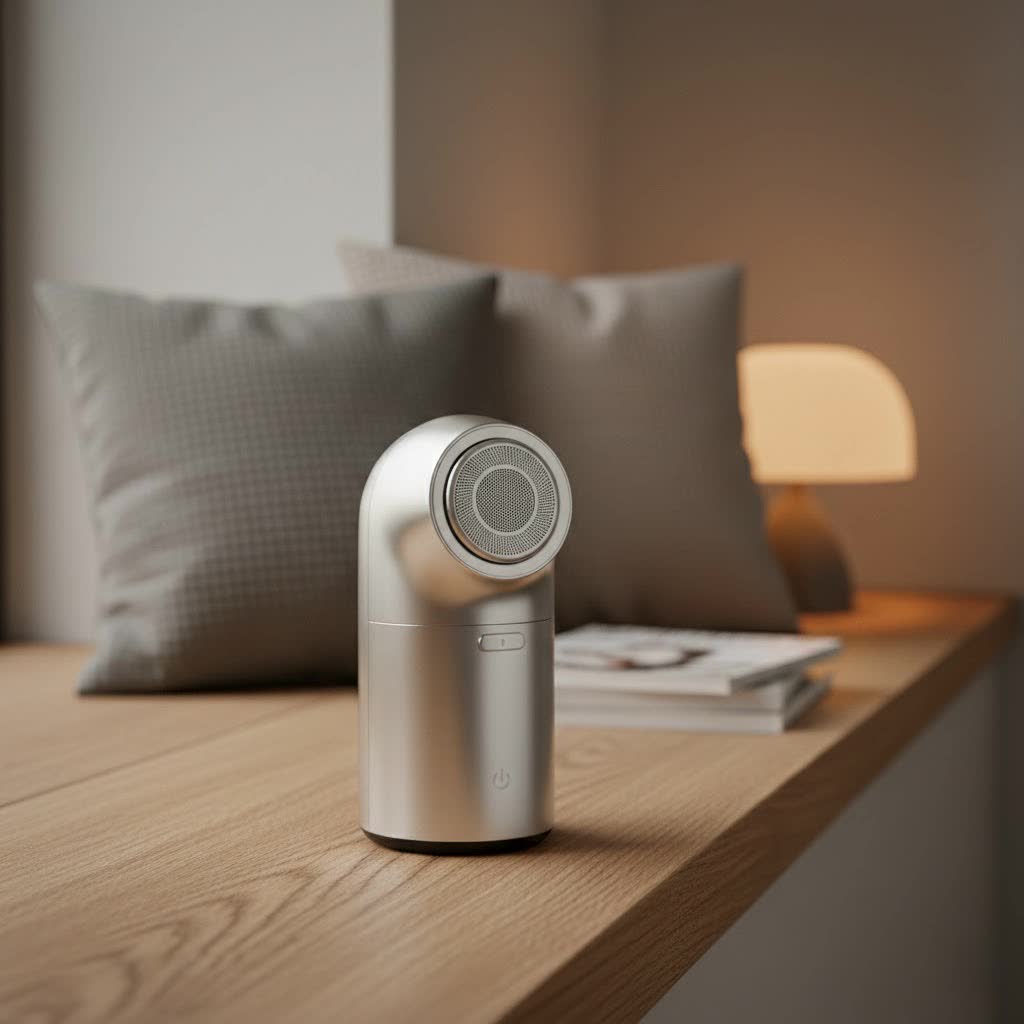
Have you ever pulled out a beloved sweater, only to find it covered in unsightly pills and fuzz, making it look old and worn? It’s a frustratingly common problem, but one with a surprisingly simple solution: the fabric shaver. These ingenious devices are your secret weapon for instantly revitalizing clothes and upholstery, breathing new life into your cherished textiles without the need for constant replacements. As the Admin of ReviewGazoo.com and a technician with over a decade of experience in fabric care, I’ve tested hundreds of models to understand what truly makes a fabric shaver stand out. Join me as we explore the best options, how to choose the right one, and expert tips to keep your fabrics looking pristine.
What is a Fabric Shaver and Why Do You Need One?
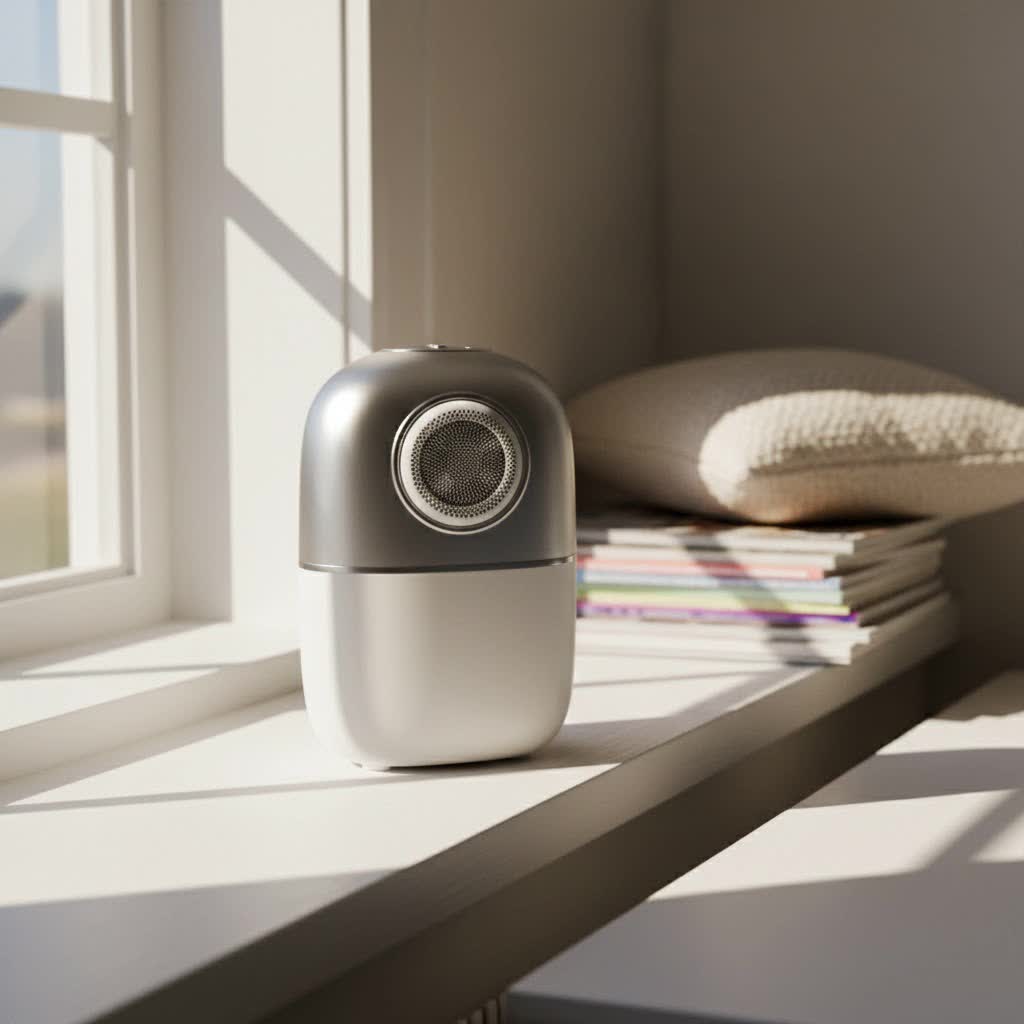
A fabric shaver, also known as a lint remover or defuzzer, is an electric or manual device designed to safely remove small balls of tangled fibers, called pills or bobbles, from the surface of fabrics. These pills typically form in areas of friction, such as under arms, on cuffs, or around seams, and can make even high-quality garments appear old and neglected. By gently shaving off these loose fibers, a fabric shaver restores the smooth, fresh appearance of your textiles.
Many common fabrics are prone to pilling, including wool, cotton, polyester, acrylic, cashmere, and other synthetics, as well as blends. Even sturdy materials like linen and denim can develop fuzz over time. The benefits of using a fabric shaver are numerous: it instantly revitalizes your wardrobe, significantly extending the lifespan of your clothes, which in turn saves you money on replacements. Beyond garments, a good fabric shaver is versatile enough to tackle pilling on upholstery, blankets, curtains, and even car seats, ensuring your entire home textile collection stays looking its best.
Types of Fabric Shavers on the Market
Fabric shavers come in various designs, each offering distinct advantages and drawbacks depending on your specific needs. Understanding these types is crucial for making an informed purchase.
Battery-Powered Fabric Shavers
These handheld devices typically run on disposable AA or AAA batteries. They are often among the most common and affordable options on the market.
- Pros: Their primary advantage is unparalleled portability and ease of use. They are lightweight, compact, and ideal for quick touch-ups or when traveling, as you’re not tethered to a power outlet.
- Cons: The main drawback is their reliance on batteries, which need frequent replacement or recharging if you opt for rechargeable battery models. Cheaper models might have shorter battery life and less consistent power, potentially slowing down larger de-pilling tasks.
- Best for: Casual users, travelers, and those who need to tackle small areas or individual garments sporadically.
|
Our Picks for the Best Fabric Shaver in 2026
We may earn a commission when you use one of our links to make a purchase.
|
||
| Num | Product | Action |
|---|---|---|
| 1 | Ruidla Fabric Shaver Defuzzer, Electric Lint Remover, Rechargeable Sweater Shaver with Stainless Steel 3-Leaf Blades, Dual Protection, Removable Bin, Easy Remove Fuzz, Lint, Pills, Bobbles |

|
| 2 | Philips Fabric Shaver, Removes Fabric Pills, Suitable for All Garments, Large Blade Surface, Cleaning Brush, Includes Batteries, Blue (GC026/00) |
|
| 3 | Fabric Shaver Electric Lint Remover Rechargeable Sweater Shaver Dual Protection Removable Bin Easy Remove Fuzz Lint Pills Bobbles FSER001 |
|
| 4 | DRFLASH 2-in-1 Fabric Shaver Rechargeable - 3 Speeds Lint Remover with Digital LED Display & Type-C Fast Charging Port, Electric Sweater Defuzzer for Clothes, Furniture, Couch, Blanket |
|
| 5 | Conair Fabric Shaver and Lint Remover, Battery-Operated Portable Clothes Shaver with 3 Settings, Fuzz Remover for Sweaters, Clothing and Furniture, Large 2-Inch Shaving Head, White |
|
| 6 | Ruidla Fabric Shaver Lint Shaver Defuzzer, Electric Lint Remover, Rechargeable Sweater Shaver with Replaceable Stainless Steel 3-Leaf Blades, Dual Protection, Removable Bin, (Micro-b Charging) |
|
| 7 | Fabric Shaver, Ziitty Lint Remover for Clothes, Type-C Rechargeable Lint Shaver with LCD Display & 6-Blade, Sweater Shavers to Remove Pilling,Fuzz Remover Fabric Shaver for Clothing and Furniture |
|
| 8 | POPCHOSE Fabric Shaver, Sweater Shavers to Remove Pilling, Lint Shaver with 6-Leaf Blades, Electric Lint Remover for Clothes, Couch, Furniture, Fuzz, Lint Ball, Pillings, USB Rechargeable |
|
| 9 | Fabric Shaver, Lint Remover Rechargeable, Electric Portable Sweater Defuzzer with 3 Speeds, 6 Leaf Blades, Digital LED Display to Remove Pilling for Clothes, Furniture, Sweater, Couch, Blanket |
|
| 10 | Fabric Shaver, Lint Remover Rechargeable, Electric Portable Sweater Defuzzer with 3 Speeds, 6 Leaf Blades, Digital LED Display to Remove Pilling for Clothes, Furniture, Sweater, Couch, Blanket |
|
Corded Electric Fabric Shavers
Plug-in fabric shavers connect directly to an electrical outlet, providing a continuous power supply.
- Pros: They offer consistent, robust power, making them highly efficient for extensive de-pilling jobs on larger items like sofas, blankets, or multiple garments. You never have to worry about running out of charge mid-task.
- Cons: Their main limitation is a lack of portability. You must use them near an electrical outlet, and the cord can sometimes get in the way or restrict your movement.
- Best for: Individuals with large collections of pilled items, frequent users, or those who primarily work on bulky household textiles.
Rechargeable Fabric Shavers
Many modern electric fabric shavers feature built-in rechargeable batteries, often powered via USB. These models combine the best aspects of both battery-powered and corded options.
- Pros: They offer the portability of battery-operated models without the ongoing cost and waste of disposable batteries, making them more eco-friendly. They provide sustained power for a good duration (often 60 minutes or more per charge) and can sometimes be used while charging.
- Cons: These models tend to be a bit more expensive upfront than basic battery-powered versions. Like all rechargeable devices, the battery will eventually degrade over time.
- Best for: Versatile users who need a balance of power, convenience, and portability for a range of garment and household items.
Comparing Fabric Shaver Features: A Quick Guide
Choosing the ideal fabric shaver goes beyond just its power source. Key features significantly impact performance and user experience.
| Feature | Battery-Powered | Corded Electric | Rechargeable Electric |
|---|---|---|---|
| Price Range | Low to Mid | Mid to High | Mid to High |
| Power/Consistency | Moderate, dependent on battery level | High, consistent | High, consistent (until battery low) |
| Portability | Excellent | Limited (requires outlet) | Excellent |
| Ideal Use | Quick touch-ups, travel, small items | Large projects, frequent use, upholstery | Everyday use, travel, varied fabric types |
| Maintenance | Battery replacement/recharging, lint emptying | Lint emptying | Recharging, lint emptying, battery longevity |
Beyond the power type, look for:
- Adjustable Speed/Height Settings: This feature allows you to customize the shaver’s intensity for different fabrics. A lower setting is safer for delicate materials like silk or cashmere, while a higher setting can tackle stubborn pills on chunky wool or upholstery. “If you’re looking to work on multiple types of fabrics, it’s worth purchasing a fabric shaver with an adjustable head height.”
- Blade Quality and Quantity: Stainless steel blades are preferred for their durability and ability to provide a clean, snag-free cut. Shavers with more blades often remove pills faster and more efficiently.
- Lint Collector Size: A larger, easily detachable lint collection bin means less frequent emptying, making long de-pilling sessions more convenient.
How to Choose the Right Fabric Shaver for Your Needs (Buying Guide)
Navigating the array of fabric shavers can be daunting, but by focusing on a few key considerations, you can find the perfect tool for your wardrobe.
Assess Your Usage Needs
Start by thinking about what you’ll be shaving and how often.
- Do you mostly need to refresh delicate sweaters for occasional wear, or do you have a stack of chunky knits and large upholstered items that require frequent attention?
- If you travel often, portability will be a top priority. For heavy-duty use at home, consistent power might be more important than extreme portability. Consider the types of fabrics you commonly wear; some shavers are better suited for specific textile weights and compositions.
Consider Your Budget
Fabric shavers range widely in price, from under $10 for basic battery-operated models to over $50 for premium rechargeable devices with advanced features.
- Entry-level shavers are great for occasional use and testing the waters.
- Mid-range options often provide a good balance of features, power, and durability.
- High-end models typically offer superior build quality, more robust motors, longer battery life (for rechargeable), and additional features like multiple speed settings and larger shaving heads, justifying their higher cost for serious fabric care enthusiasts.
Essential Features to Look For
Once you’ve considered your needs and budget, narrow down your choices by looking for these crucial features:
- Adjustable Settings: A fabric shaver with adjustable blade heights or speed settings offers versatility, allowing you to safely treat a wider range of fabrics from delicate silk to heavy upholstery.
- Durable Blades: Always opt for models with sharp, rust-resistant stainless steel blades. Some shavers come with replacement blades, which is a significant plus for long-term use.
- Large Lint Collector: An easily removable and spacious lint trap minimizes interruptions during your de-pilling sessions.
- Ergonomic Design: A comfortable grip and balanced design reduce hand fatigue, especially when working on larger items or for extended periods.
- Rechargeable Capability: For an eco-friendly and convenient option, a USB-rechargeable fabric shaver eliminates the need for disposable batteries and provides consistent power.
Read User Reviews and Brand Reputation
Before making a final decision, delve into user reviews. Real-world feedback can provide invaluable insights into a shaver’s effectiveness, durability, and any potential quirks. Look for consistent praise regarding performance on specific fabric types and ease of cleaning. Established brands with a good reputation in home appliances or garment care often signify reliability and better customer support.
Step-by-Step Guide to Using Your Fabric Shaver Effectively
Using a fabric shaver is straightforward, but following these steps will ensure optimal results and prevent accidental damage to your cherished items.
- Preparation is Key: Lay the garment or fabric item flat on a hard, even surface. Ensure the fabric is pulled taut and smooth, free of wrinkles or creases. This provides a stable surface for the shaver and helps prevent snagging. For delicate items, you might place a hand inside the garment to provide gentle tension.
- Choose the Right Setting: If your fabric shaver has adjustable settings (blade height or speed), select the appropriate one for your fabric.
- Use a lower blade height or slower speed for delicate materials like cashmere, silk, or thin knits to avoid damage.
- Opt for a higher blade height or faster speed for thicker, more durable fabrics like wool blends, cotton, or upholstery to efficiently remove stubborn pills.
- Gentle Application: Turn on the shaver and glide it gently over the pilled areas. Start with light pressure and only increase it if needed. Move the shaver in a slow, circular motion or short, overlapping strokes. Avoid pressing down too hard, as this can push the fabric into the blades and cause holes or snags.
- Monitor and Empty: Keep an eye on the lint collector. When the motor sounds like it’s slowing down or you see less effective pilling removal, it’s likely full. Periodically pause and empty the lint trap to maintain optimal performance.
- Be Patient and Thorough: De-pilling takes time, especially for heavily pilled items. Work systematically across the fabric, ensuring you cover all affected areas. Take extra care around seams, buttons, zippers, and delicate embellishments.
Maximize Longevity: Fabric Shaver Care and Maintenance Tips
Proper maintenance is crucial for extending the life of your fabric shaver and ensuring it continues to perform optimally.
- Clean After Every Use: After each de-pilling session, always empty the lint collector. Most shavers come with a small brush; use it to clear any trapped lint from the blades and the protective mesh cover. This prevents buildup that can clog the motor or reduce cutting efficiency.
- Handle Blades with Care: The blades are sharp! When cleaning, carefully remove the blade assembly according to your shaver’s instructions. Avoid touching the blades directly with your fingers.
- Reassemble Correctly: When putting the shaver back together, ensure all components (blades, mesh cover, lint collector) are securely and correctly aligned. A loosely assembled shaver might not work or could be unsafe.
- Replace Blades Regularly: Over time, even stainless steel blades can dull. Many top-rated fabric shavers come with spare blades or have replacements readily available for purchase. Replacing dull blades ensures consistent, efficient de-pilling and protects your fabrics from damage caused by tugging.
- Proper Storage: Store your fabric shaver in a dry, cool place, away from excessive moisture or extreme temperatures, which can affect battery life (for rechargeable models) or blade integrity. Keep it out of reach of children and pets.
- Troubleshooting Common Issues: If your shaver stops working, first check the basics:
- Is it fully charged or do the batteries need replacing?
- Is the lint collector completely full and blocking the blades?
- Are all parts, especially the blade cover, securely fastened? Often, a loose component can prevent the shaver from turning on.
“A well-maintained fabric shaver isn’t just a tool; it’s an investment in the longevity and appearance of your entire textile collection.”
Conclusion
A top-rated fabric shaver is an indispensable tool for anyone looking to keep their wardrobe and home textiles looking pristine. By understanding the different types available, prioritizing key features like adjustable settings and durable blades, and committing to proper usage and maintenance, you can effectively combat pilling and extend the life of your favorite items. Investing in a quality fabric shaver is not merely about removing lint; it’s about preserving the beauty and comfort of your fabrics, saving money, and embracing a more sustainable approach to clothing care. Ready to transform your tired textiles? The right fabric shaver can make all the difference!
Frequently Asked Questions
Can a fabric shaver damage my clothes?
When used correctly, a fabric shaver is safe for most fabrics. However, applying too much pressure, using it on delicate fabrics without adjustable settings, or using a shaver with dull blades can potentially snag or damage garments. Always follow the manufacturer’s instructions and test on an inconspicuous area first.
What types of fabrics can I use a fabric shaver on?
Fabric shavers are effective on a wide range of fabrics, including wool, cotton, linen, polyester, acrylic, cashmere, and various blends. They can be used on sweaters, scarves, socks, blankets, upholstery, and even curtains.
How often should I clean my fabric shaver?
It’s recommended to clean your fabric shaver after every use. Emptying the lint collector and brushing the blades free of trapped fibers ensures consistent performance, prevents motor strain, and extends the life of the device.
Are rechargeable fabric shavers better than battery-operated ones?
Rechargeable fabric shavers offer the convenience of portability without the ongoing cost and environmental impact of disposable batteries, making them a more eco-friendly and often more powerful option for frequent use. Disposable battery models are more suited for occasional, light use or travel where charging might not be an option.
Can I use a fabric shaver on delicate materials like silk or lace?
While some fabric shavers with very gentle settings or specific attachments can be used on delicate fabrics like silk, it’s generally best to exercise extreme caution or avoid them. For highly delicate materials, a garment brush or specialized fabric comb might be a safer alternative.
How do I know when to replace the blades of my fabric shaver?
Signs that your shaver’s blades need replacing include a noticeable decrease in effectiveness, needing more passes to remove pills, or if the shaver starts pulling or tugging at the fabric instead of cleanly cutting. Many shavers come with replacement blades, and others have them available for purchase.