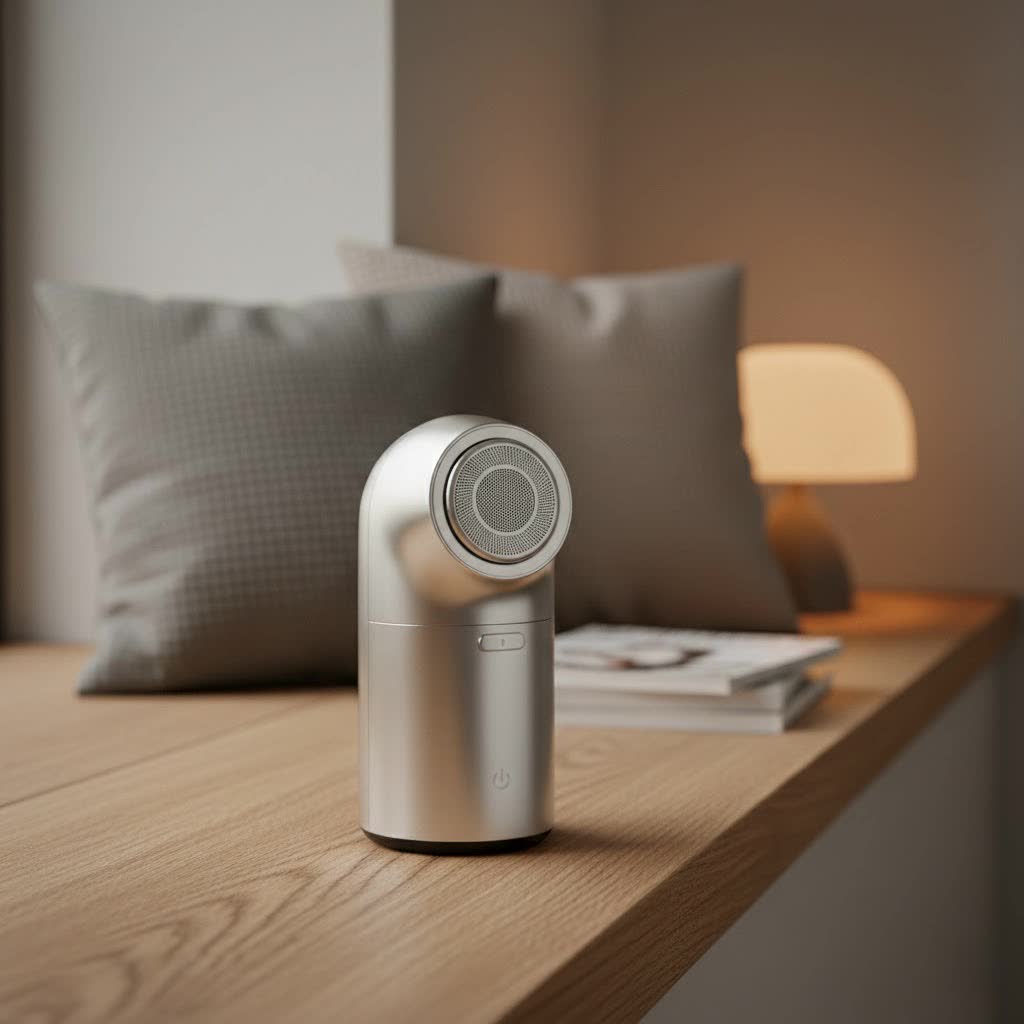
Have you ever noticed how quickly even high-quality fabrics can lose their pristine look due to pesky pills, fuzz, and lint? In professional settings, where appearance and fabric longevity are paramount, this issue can be a significant challenge. From apparel manufacturing to commercial laundry services, maintaining fabric quality is crucial for customer satisfaction and operational efficiency. This is where an Industrial Fabric Shaver becomes an indispensable tool, offering a robust solution to restore and preserve the beauty of countless textiles. This comprehensive guide will delve into everything you need to know about industrial fabric shavers, helping you understand their capabilities, choose the right model, and implement best practices for lasting results.
What is an Industrial Fabric Shaver and Why Do Businesses Need One?
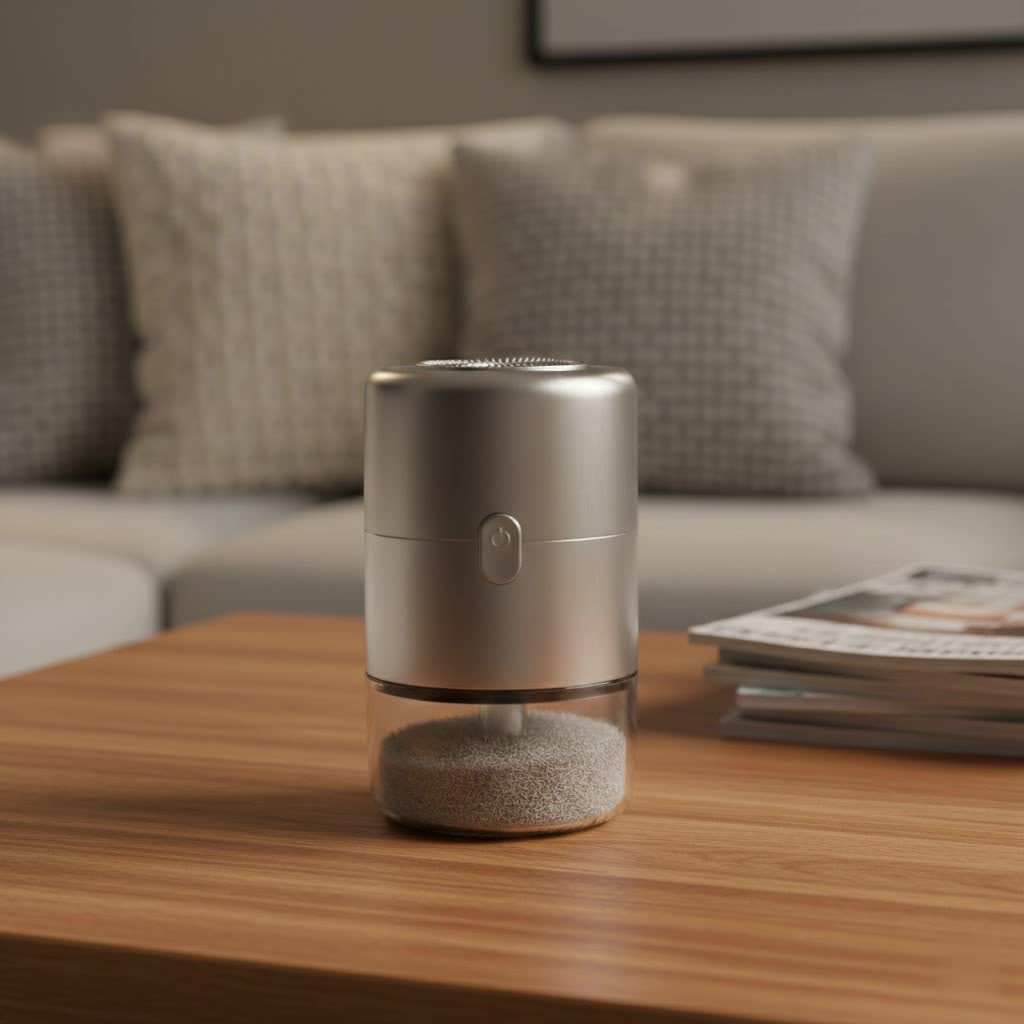
An industrial fabric shaver is a specialized, heavy-duty device engineered to efficiently remove pills, lint, and fuzz from large volumes of fabric without causing damage. While sharing the basic principle of consumer-grade fabric shavers – a rotating blade beneath a protective mesh – industrial models are built for sustained performance, higher power output, and enhanced durability to meet the rigorous demands of commercial environments. They are the workhorses of fabric care, designed to tackle extensive pilling that would quickly overwhelm a standard household device.
Many types of fabrics commonly encounter pilling, including wool, cotton, polyester blends, and various knits used in upholstery, garments, and bedding. These tiny fiber balls not only detract from a product’s aesthetic appeal but also make fabrics feel rough and old. For businesses, the implications extend beyond mere appearance, affecting perceived quality and potentially leading to costly returns or lost sales.
The benefits of integrating an industrial fabric shaver into your business operations are multifaceted. Firstly, they extend the lifespan of fabrics, allowing garments, linens, and upholstered items to retain their “like-new” look for longer. This directly translates to cost savings by reducing the need for frequent replacements or discounting inventory due to minor imperfections. Secondly, they enhance the professional appearance of products, ensuring every item presented to a client or customer meets the highest standards of quality. In competitive sectors like hospitality or retail, a pristine textile finish can significantly differentiate your brand. Lastly, these powerful tools offer unmatched efficiency, allowing staff to quickly process large quantities of fabric, thereby improving workflow and productivity.
Types of Industrial Fabric Shavers on the Market
The industrial fabric shaver market offers a range of devices, each tailored to different operational needs and scales. Understanding the distinctions helps in selecting the most appropriate tool for your business.
Corded Electric Fabric Shavers
These models are typically the most powerful and reliable choice for stationary, high-volume operations. They plug directly into a power outlet, eliminating concerns about battery life and providing consistent, strong performance throughout extended use.
- Advantages: Superior, continuous power; suitable for heavy-duty, prolonged use; often feature larger shaving heads for faster coverage.
- Disadvantages: Limited by power cord length; less portable than battery-operated models.
- Best for: Manufacturing facilities, commercial laundries, large retail stores with dedicated textile care stations, upholstery workshops.
|
Our Picks for the Best Fabric Shaver in 2026
We may earn a commission when you use one of our links to make a purchase.
|
||
| Num | Product | Action |
|---|---|---|
| 1 | Ruidla Fabric Shaver Lint Shaver Defuzzer, Electric Lint Remover, Rechargeable Sweater Shaver with Replaceable Stainless Steel 3-Leaf Blades, Dual Protection, Removable Bin, (Micro-b Charging) |

|
| 2 | Ruidla Fabric Shaver Defuzzer, Electric Lint Remover, Rechargeable Sweater Shaver with Stainless Steel 3-Leaf Blades, Dual Protection, Removable Bin, Easy Remove Fuzz, Lint, Pills, Bobbles |
|
| 3 | Fabric Shaver Electric Lint Remover Rechargeable Sweater Shaver Dual Protection Removable Bin Easy Remove Fuzz Lint Pills Bobbles FSER001 |
|
| 4 | Philips Fabric Shaver, Removes Fabric Pills, Suitable for All Garments, Large Blade Surface, Cleaning Brush, Includes Batteries, Blue (GC026/00) |
|
| 5 | DRFLASH 2-in-1 Fabric Shaver Rechargeable - 3 Speeds Lint Remover with Digital LED Display & Type-C Fast Charging Port, Electric Sweater Defuzzer for Clothes, Furniture, Couch, Blanket |
|
| 6 | POPCHOSE Fabric Shaver, Sweater Shavers to Remove Pilling, Lint Shaver with 6-Leaf Blades, Electric Lint Remover for Clothes, Couch, Furniture, Fuzz, Lint Ball, Pillings, USB Rechargeable |
|
| 7 | Fabric Shaver, Lint Remover Rechargeable, Electric Portable Sweater Defuzzer with 3 Speeds, 6 Leaf Blades, Digital LED Display to Remove Pilling for Clothes, Furniture, Sweater, Couch, Blanket |
|
| 8 | Fabric Shaver, Ziitty Lint Remover for Clothes, Type-C Rechargeable Lint Shaver with LCD Display & 6-Blade, Sweater Shavers to Remove Pilling,Fuzz Remover Fabric Shaver for Clothing and Furniture |
|
| 9 | Conair Fabric Shaver and Lint Remover, Battery-Operated Portable Clothes Shaver with 3 Settings, Fuzz Remover for Sweaters, Clothing and Furniture, Large 2-Inch Shaving Head, White |
|
| 10 | Fabric Shaver, Lint Remover Rechargeable, Electric Portable Sweater Defuzzer with 3 Speeds, 6 Leaf Blades, Digital LED Display to Remove Pilling for Clothes, Furniture, Sweater, Couch, Blanket |
|
Rechargeable/Battery-Powered Heavy-Duty Fabric Shavers
Designed for flexibility and mobility, these shavers offer the convenience of cordless operation with increased power compared to standard consumer models. They often come with robust rechargeable battery packs that support longer runtimes.
- Advantages: Excellent portability; ideal for on-site fabric care or areas without immediate power access; often ergonomically designed for comfortable handheld use.
- Disadvantages: Battery life can limit continuous operation; may require periodic recharging during peak use.
- Best for: Tailoring shops, mobile alteration services, hotel housekeeping, clothing rental companies, small retail boutiques, quality control checks on the factory floor.
Specialty Industrial Fabric Shavers
Beyond the basic power distinction, some industrial fabric shavers incorporate advanced features for specialized tasks, catering to a wider range of fabric types and pilling intensities.
- Advantages: Enhanced versatility with adjustable speed or blade height settings; precision control for delicate fabrics or heavy-duty materials; some may include specialized attachments.
- Disadvantages: Generally higher price point due to advanced features; may require more technical understanding for optimal use.
- Best for: Businesses handling a diverse inventory of fabrics, high-end garment care services, textile restoration specialists, or those needing fine-tuned control over the de-pilling process.
Comparing Industrial Fabric Shavers: Key Features & Specifications
When investing in an industrial fabric shaver, several key features and specifications distinguish models and influence their performance and suitability for various applications. The table below provides a concise comparison to help guide your decision.
| Feature | Corded Electric Industrial Shaver | Rechargeable Heavy-Duty Fabric Shaver | Specialty Industrial Shaver (Adjustable) |
|---|---|---|---|
| Power Source | AC Outlet (120V/240V) | High-capacity rechargeable battery (Li-ion typically) | AC or high-capacity rechargeable battery |
| Motor Strength | Very High (Consistent) | High (Dependent on battery charge) | High to Very High (Adjustable) |
| Blade Size/System | Large diameter, multiple blades, often commercial-grade steel | Large to medium diameter, durable blades | Varying blade sizes, often interchangeable with multiple blades |
| Lint Bin Capacity | Large to Extra-Large | Medium to Large | Medium to Large |
| Portability | Limited by cord, heavier | High, cordless design, moderate weight | Moderate, depends on specific features, often ergonomic |
| Continuous Use | Excellent (Unlimited) | Good (Limited by battery life, often 60-120+ minutes) | Good to Excellent (Depends on power source and settings) |
| Best Use Case | Stationary, high-volume, continuous fabric processing | Mobile tasks, varied locations, batch processing | Diverse fabric types, precision work, optimizing for different pilling |
How to Choose the Right Industrial Fabric Shaver (Buying Guide)
Selecting the ideal industrial fabric shaver requires careful consideration of your specific business needs and priorities. A thoughtful approach ensures your investment delivers maximum efficiency and long-term value.
Assess Your Business Needs
Start by evaluating the core requirements of your operation. What type of fabrics will you primarily be treating? Delicate silks and fine knits require a different approach than heavy upholstery or industrial-grade textiles. Consider the volume of items you need to process daily or weekly; a high volume necessitates a more powerful and durable machine. Additionally, think about portability—do you need a device for a fixed workstation, or one that can be easily moved between different areas or even taken off-site?
Power and Performance
The heart of any fabric shaver is its motor and blade system. For industrial use, look for a powerful motor that can sustain performance without bogging down, even on stubborn pills. The blade design is also critical; multiple, sharp, durable blades (often stainless steel) ensure efficient and clean cutting. Some advanced models offer adjustable speed settings or blade height spacers, which are invaluable for tailoring the shaving intensity to different fabric thicknesses and sensitivities, preventing damage while maximizing effectiveness.
Durability and Ergonomics
Industrial tools are an investment, and durability is key. Choose a fabric shaver constructed from high-quality, robust materials that can withstand constant use in a demanding environment. An ergonomic design with a comfortable grip is essential for staff who will be using the device for extended periods, reducing fatigue and improving handling precision.
Maintenance and Replacement Parts
Consider the ease of maintenance. A large, easily detachable lint collection bin simplifies cleanup, which is crucial for maintaining optimal suction and preventing clogs. Availability of replacement blades is also vital. Blades dull over time, and having readily accessible, affordable replacement kits ensures your shaver always performs at its best without requiring a full machine replacement.
Brand Reputation and User Reviews
Researching reputable brands known for their commercial fabric care equipment can save you from potential headaches. Brands with a history of producing durable, effective industrial tools often provide better support and product longevity. Reading reviews from other businesses or professionals in similar industries can offer invaluable insights into real-world performance and reliability.
Best Practices for Using an Industrial Fabric Shaver
To ensure safety, efficiency, and optimal results, follow these best practices when operating an industrial fabric shaver:
- Preparation is Key: Always lay the fabric flat and smooth on a hard, clean surface. This stretches out the material, making pills more accessible to the blades and minimizing the risk of snagging or damaging the fabric. Ensure the fabric is free from wrinkles or creases.
- Test a Small Area First: Especially when working with a new fabric type or an unfamiliar shaver, always test the device on an inconspicuous area (e.g., an inside seam) to ensure it does not cause damage.
- Gentle, Even Pressure: Move the shaver gently and consistently over the pilled areas. Avoid pressing down too hard, as excessive pressure can push the fabric into the blades, leading to holes or damage.
- Circular or Straight Motions: Depending on the fabric weave and pilling pattern, either gentle circular motions or sweeping straight strokes can be effective. Experiment to find the best technique for the specific item.
- Empty the Lint Bin Regularly: A full lint bin reduces suction and can hinder performance. Empty it frequently to maintain optimal efficiency and prevent motor strain.
- Adjust Settings for Fabric Type: If your shaver has adjustable speed or height settings, use lower settings for delicate fabrics and higher settings for thicker, more durable materials with heavy pilling.
- Safety First: Always keep fingers clear of the shaving head. Turn off and unplug (or power down) the device before cleaning or changing blades.
> “In our textile finishing operations, an industrial fabric shaver isn’t just a tool; it’s a critical component for maintaining our quality standards. Proper technique and regular maintenance are non-negotiable for achieving that flawless finish our clients expect.” – Lena Petrova, Head of Quality Control, Apex Apparel Manufacturing.
Maintaining Your Industrial Fabric Shaver for Peak Performance
Regular maintenance is crucial for extending the lifespan of your industrial fabric shaver and ensuring it consistently delivers professional-grade results.
- Clean After Every Use: After each use, empty the lint collection bin. Use the provided cleaning brush (or a soft, dry brush) to remove any trapped lint, fuzz, or threads from the blades, mesh guard, and interior components. Accumulations can reduce efficiency and put strain on the motor.
- Replace Blades Periodically: Fabric shaver blades, like razor blades, become dull over time. Dull blades are less effective at removing pills and can even snag or pull at fabric. Consult your shaver’s manual for recommended replacement intervals, or replace them as soon as you notice a decrease in performance. Always use genuine replacement parts to ensure compatibility and safety.
- Inspect the Mesh Guard: Regularly check the metal mesh guard for any signs of damage, dents, or wear. A damaged guard can lead to fabric tears. Replace it immediately if any issues are found.
- Proper Storage: Store your industrial fabric shaver in a clean, dry place away from dust and moisture. If it’s a cordless model, ensure batteries are charged according to manufacturer guidelines to maintain battery health.
Conclusion
Industrial fabric shavers are far more than simple lint removers; they are powerful, purpose-built tools that serve as an essential asset for any business dealing with textiles. From the bustling floors of garment factories to the meticulous care in commercial laundries, these devices play a pivotal role in preserving fabric quality, enhancing product appeal, and driving operational efficiency. By carefully selecting a model that aligns with your specific needs, adhering to best usage practices, and committing to routine maintenance, you can unlock significant cost savings and elevate the professional standard of your textile offerings. Embrace the power of an industrial fabric shaver, and watch your fabrics—and your business—thrive.
What impact could a consistently pristine fabric finish have on your brand’s reputation and customer loyalty?
Câu Hỏi Thường Gặp
What fabrics are industrial fabric shavers best suited for?
Industrial fabric shavers are highly effective on a wide range of fabrics, including wool, cotton, polyester, acrylic, and various blends commonly found in clothing, upholstery, blankets, and industrial textiles. They are particularly valuable for materials prone to pilling from friction or wear, helping to restore them to a smooth, refreshed condition.
How often should blades be replaced in an industrial fabric shaver?
The frequency of blade replacement depends on usage volume and the types of fabrics being treated. For industrial settings with heavy, continuous use, blades may need replacement more frequently than in lighter commercial applications. Always refer to the manufacturer’s guidelines, but a general rule is to replace them when you notice a decrease in efficiency or when blades appear dull.
Can an industrial fabric shaver damage delicate fabrics?
While industrial fabric shavers are designed to be safe, care must be taken with very delicate materials. It’s crucial to use the appropriate settings (if available, such as adjustable speed or blade height) and always test on an inconspicuous area first. Applying too much pressure or using a shaver with dull blades can increase the risk of damage, even on robust fabrics.
What’s the main difference between an industrial and a household fabric shaver?
The primary differences lie in power, durability, and capacity. Industrial fabric shavers feature more powerful motors, larger shaving heads, bigger lint bins, and more robust construction designed for continuous, heavy-duty use in professional environments. Household versions are generally smaller, less powerful, and intended for occasional personal use.
Are industrial fabric shavers difficult to clean and maintain?
No, most industrial fabric shavers are designed for easy maintenance to minimize downtime in busy commercial settings. They typically feature easily detachable lint collection bins and come with cleaning brushes. Regular cleaning of blades and mesh, along with periodic blade replacement, is straightforward and essential for maintaining optimal performance.
Can industrial fabric shavers be used on upholstered furniture?
Yes, many industrial fabric shavers are suitable for large upholstered items like furniture, curtains, and carpets. Their larger shaving heads and powerful motors make them efficient for covering broader surfaces, effectively removing pills and fuzz to refresh the appearance of commercial or residential furnishings.
What safety features should I look for in an industrial fabric shaver?
Key safety features include a durable protective mesh guard that prevents direct contact with the blades, an automatic shut-off mechanism if the guard is loose or removed, and an ergonomic design for secure handling. Additionally, clear instructions for use and maintenance contribute to safe operation in a professional environment.